Seido Shears, Kitchen Scissors
Chef's Knife Roll Bag & Travel Case
Rosewood Diamond Honing Steel
Classic Chef Knife Roll Bag: Brown Canvas
Saya Chef Knife Sheath
Kanpeki 10" Diamond Sharpening Rod
Saya Japanese Magnetic Knife Sheath: Walnut
Awabi 8" Honing Steel
Rolling Knife Sharpener
4-Stage Knife Sharpener
Seido Knife Roll Bag, Heavy Duty Canvas & Leather
Inferuno 10" Honing Rod
Shujin 10" Sharpening Rod
Takoizu 8" Sharpening Rod
Executive 8" Sharpening Rod
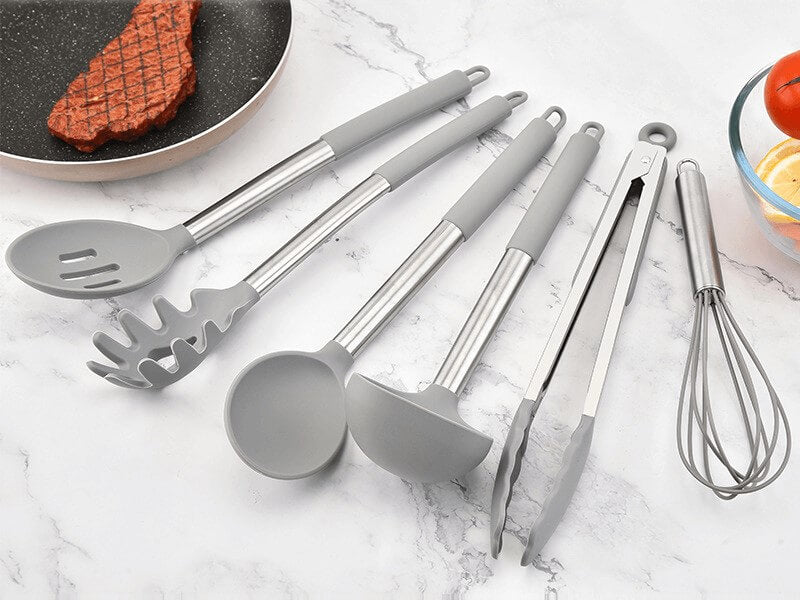
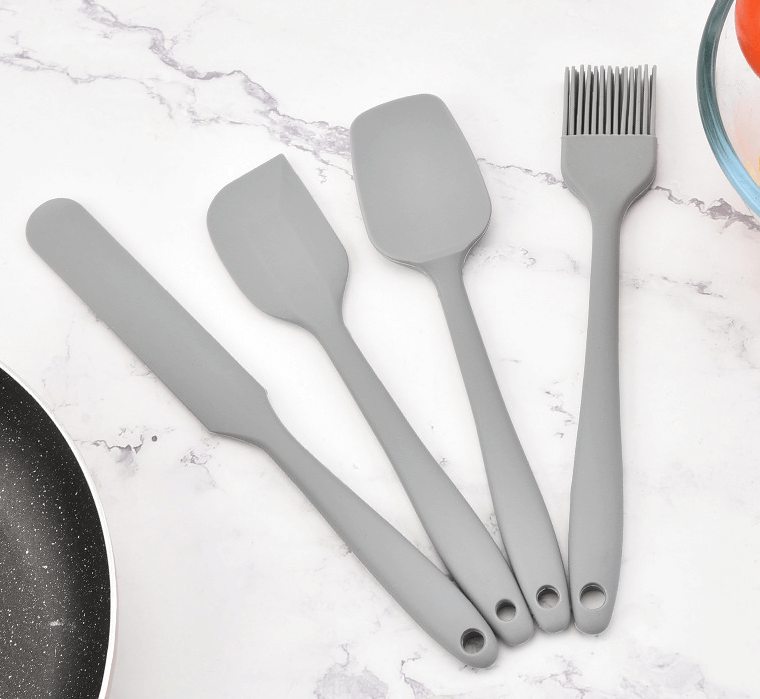
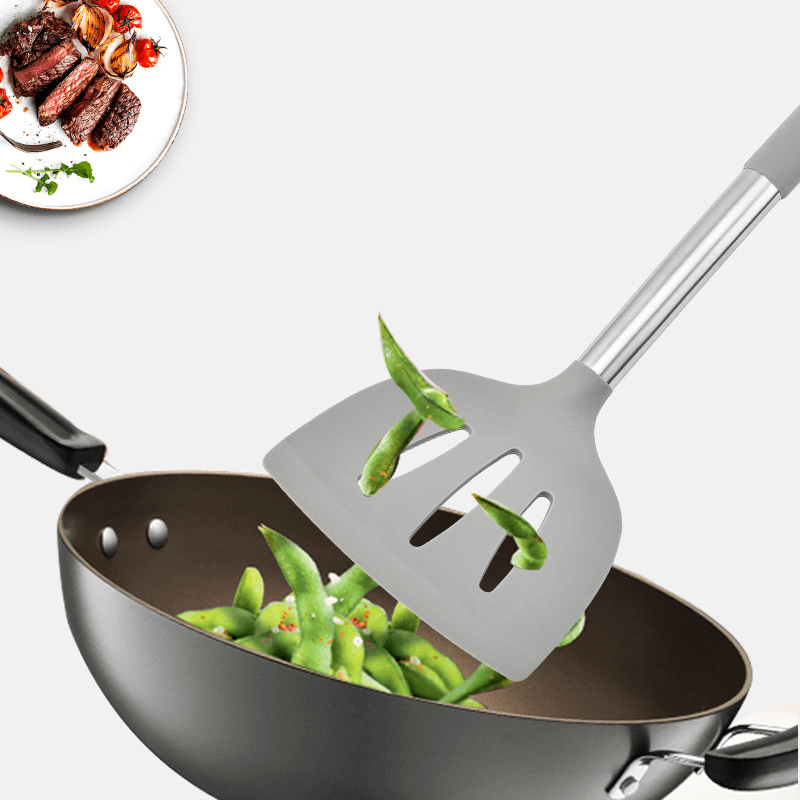
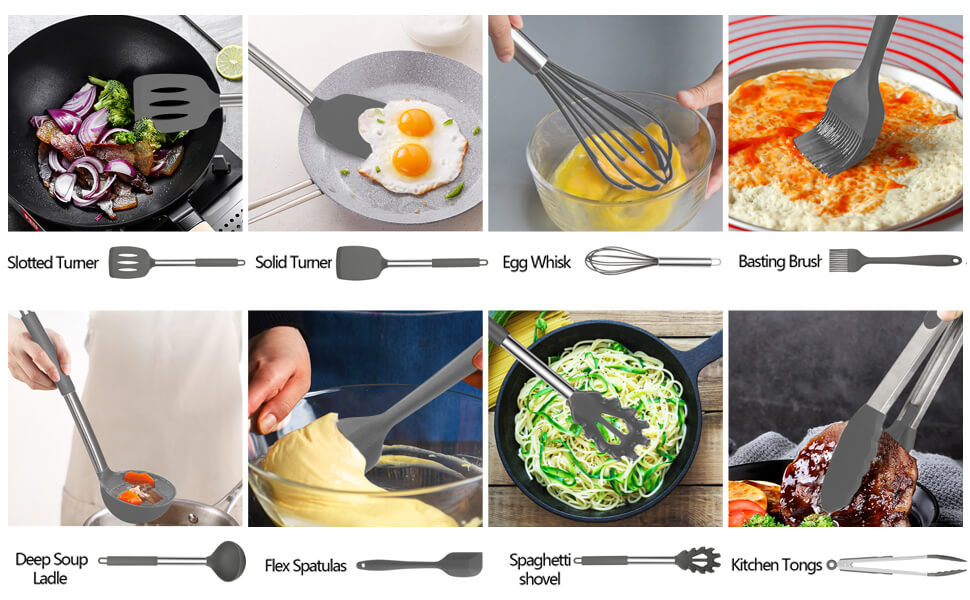
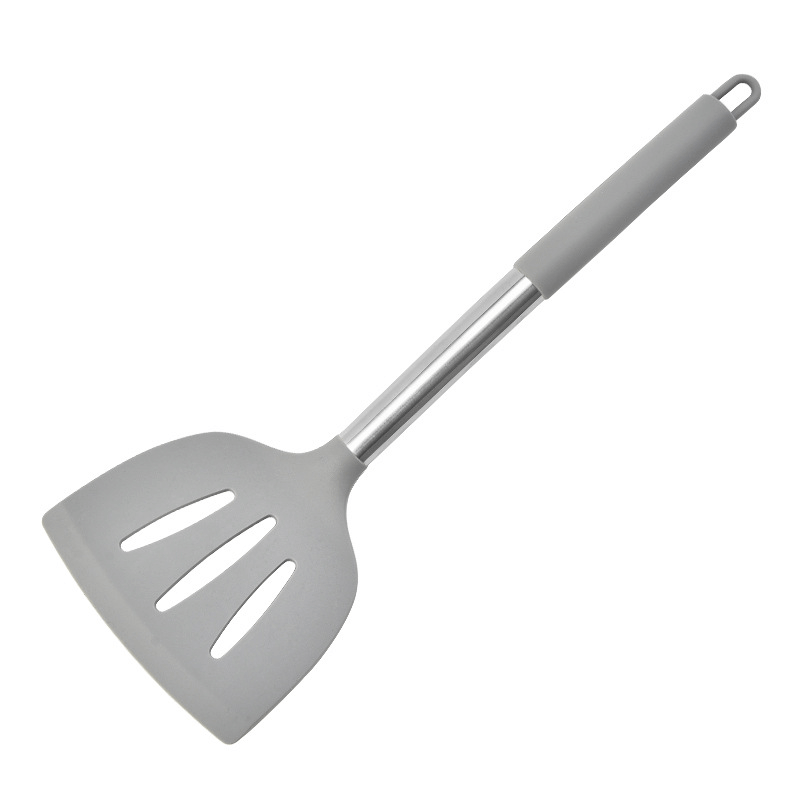
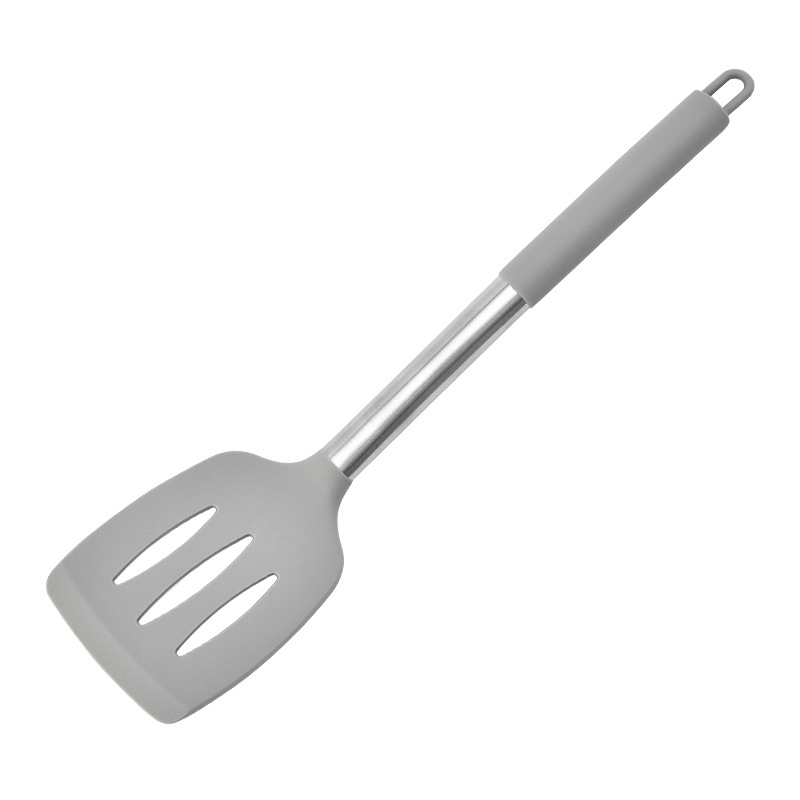
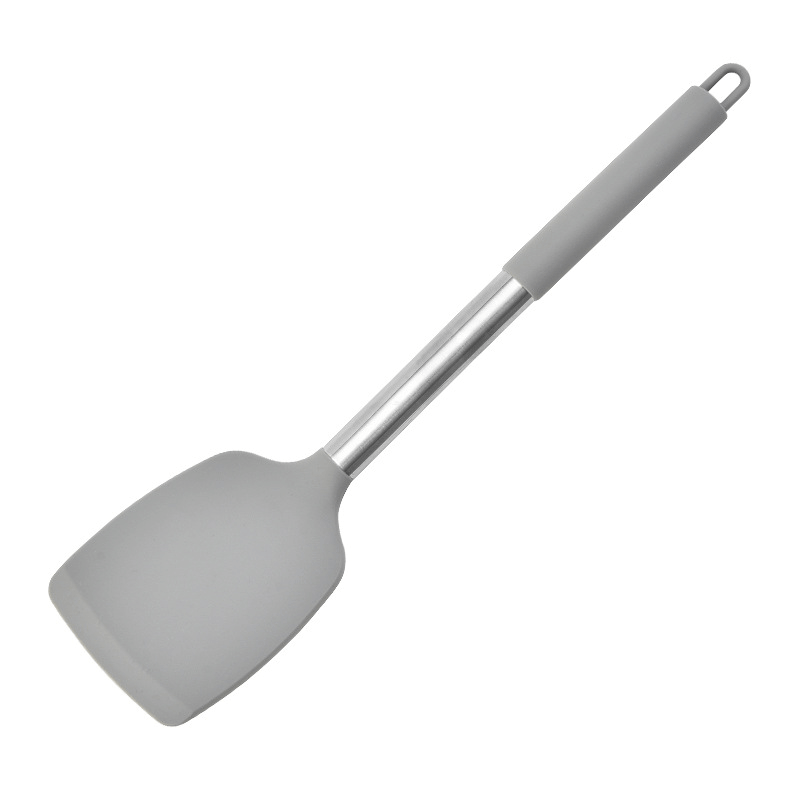
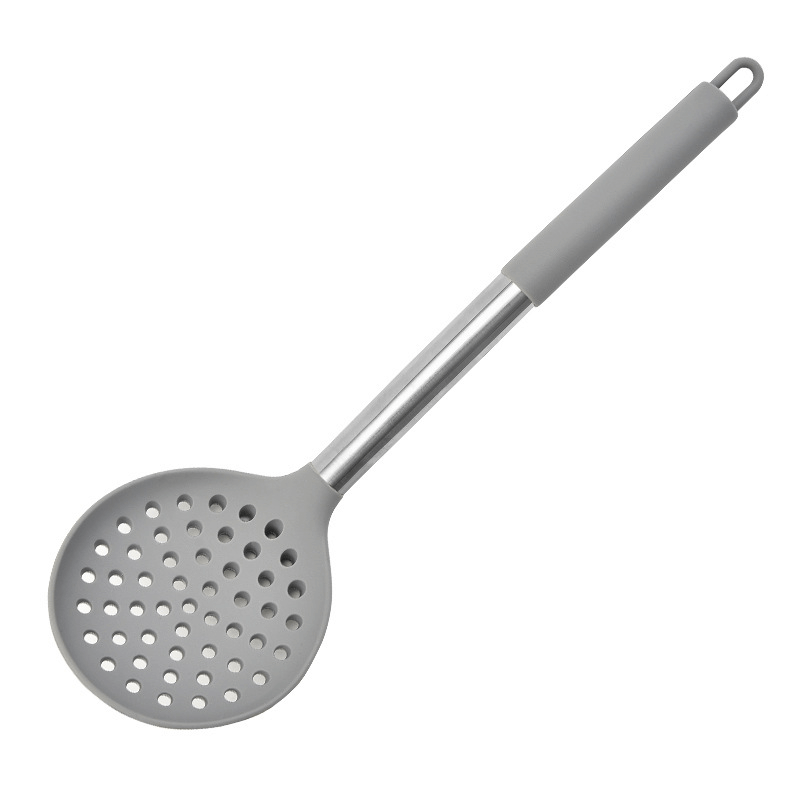
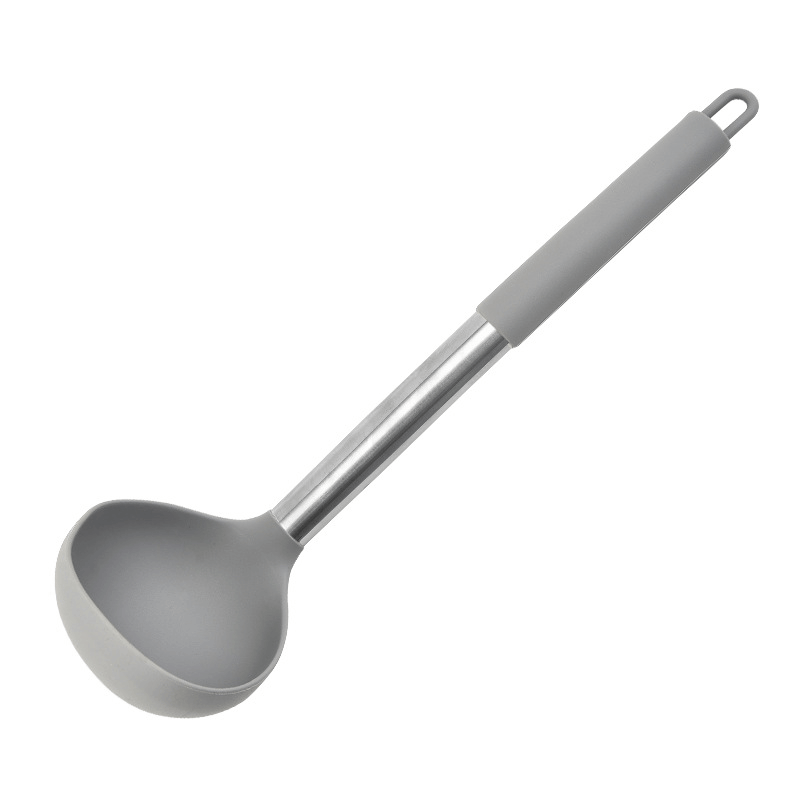
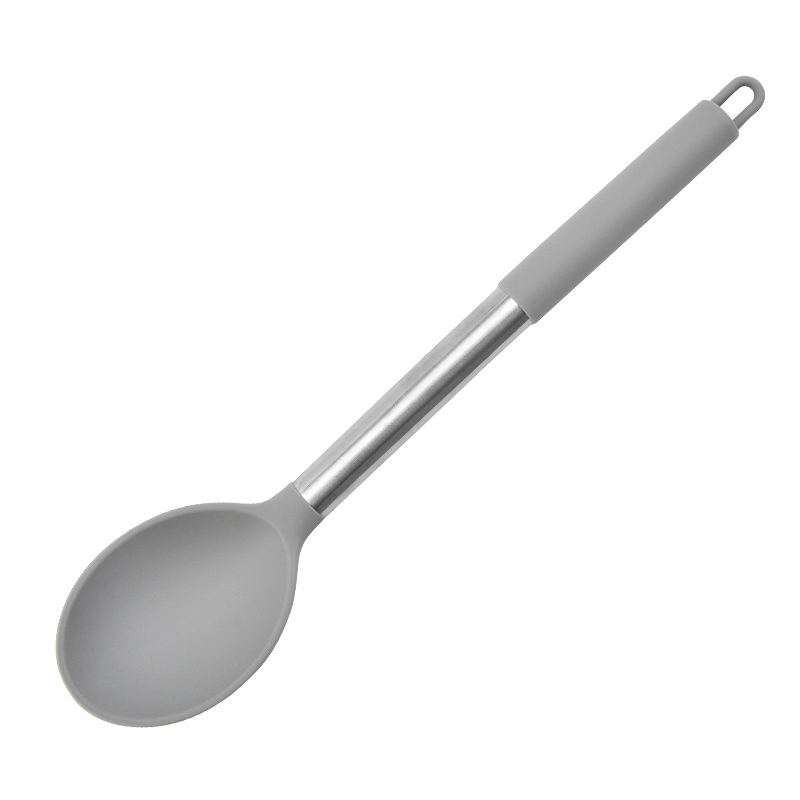
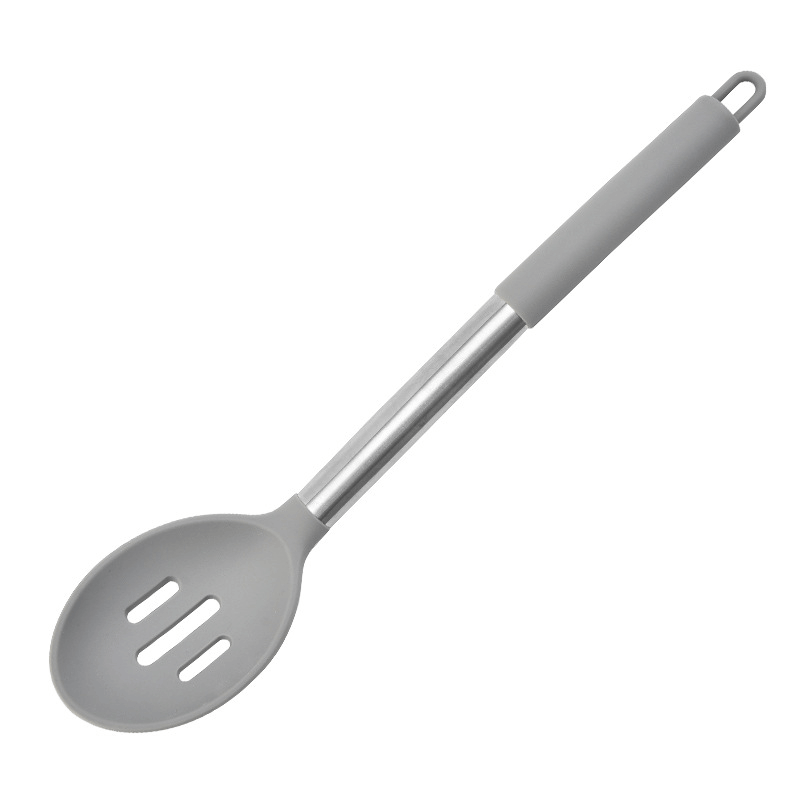
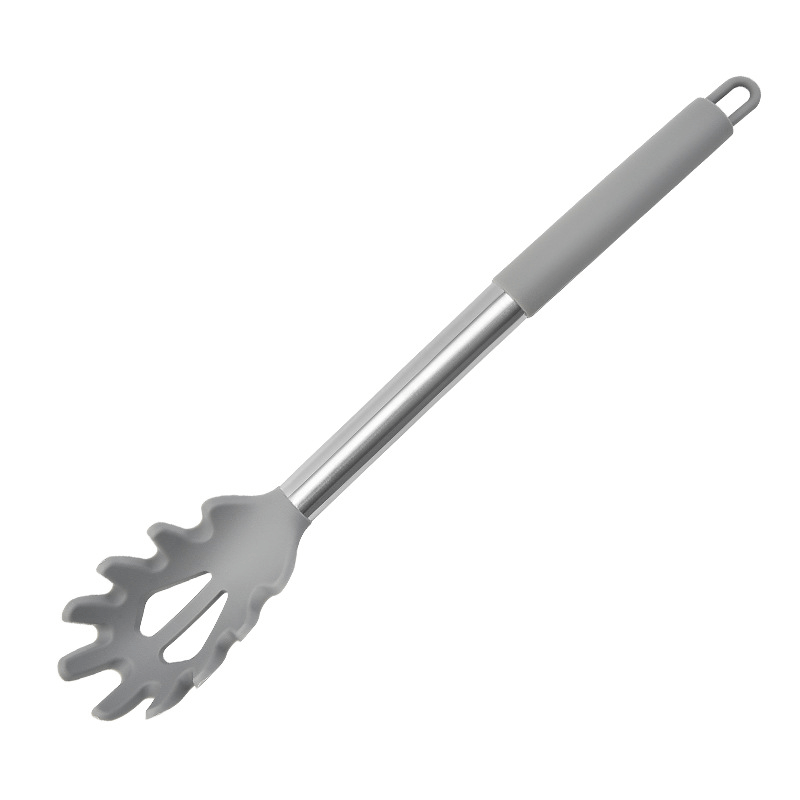
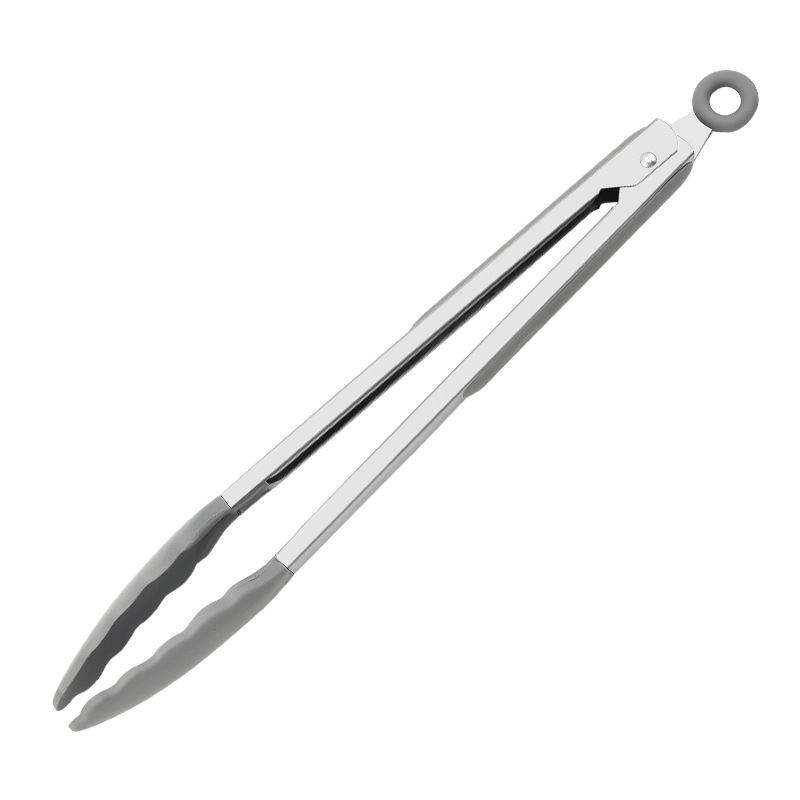
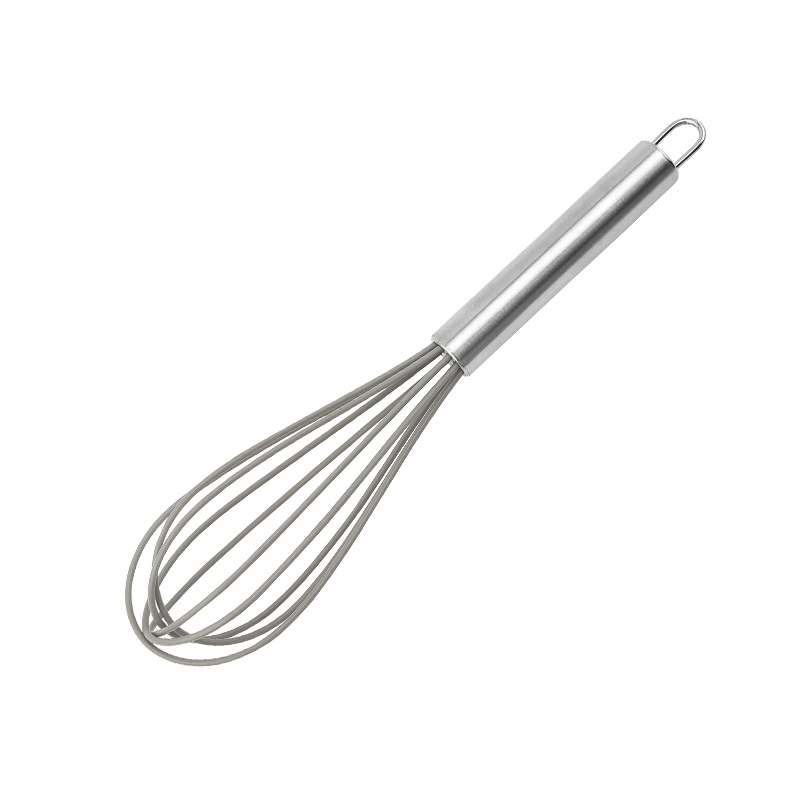
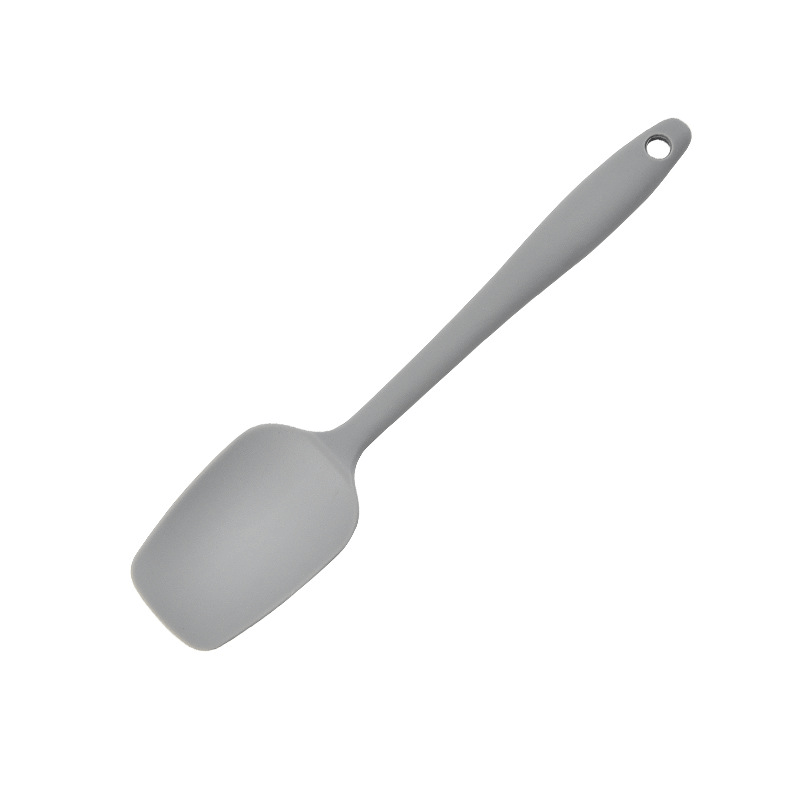
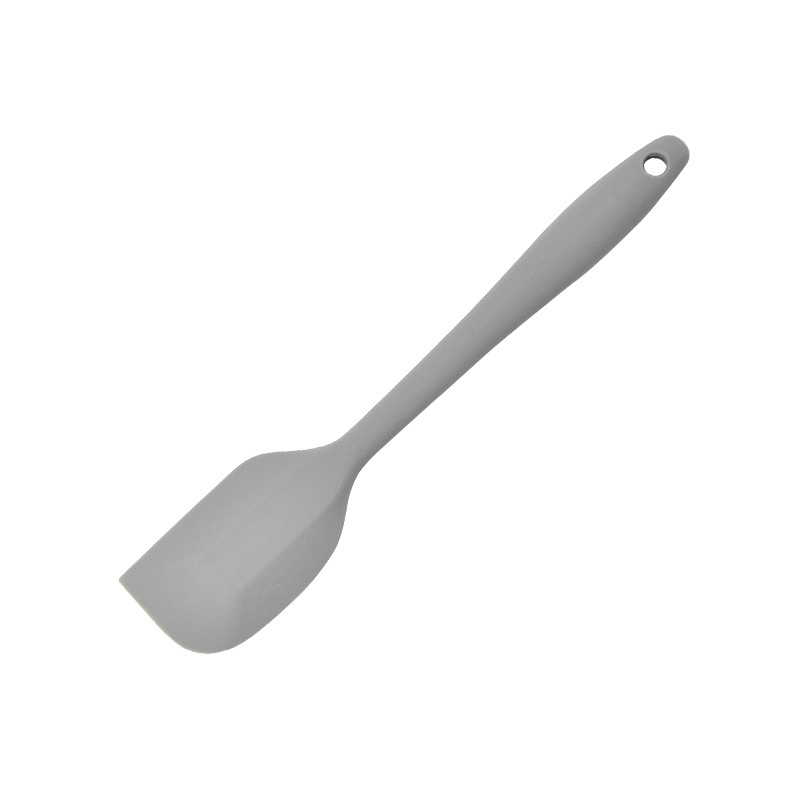
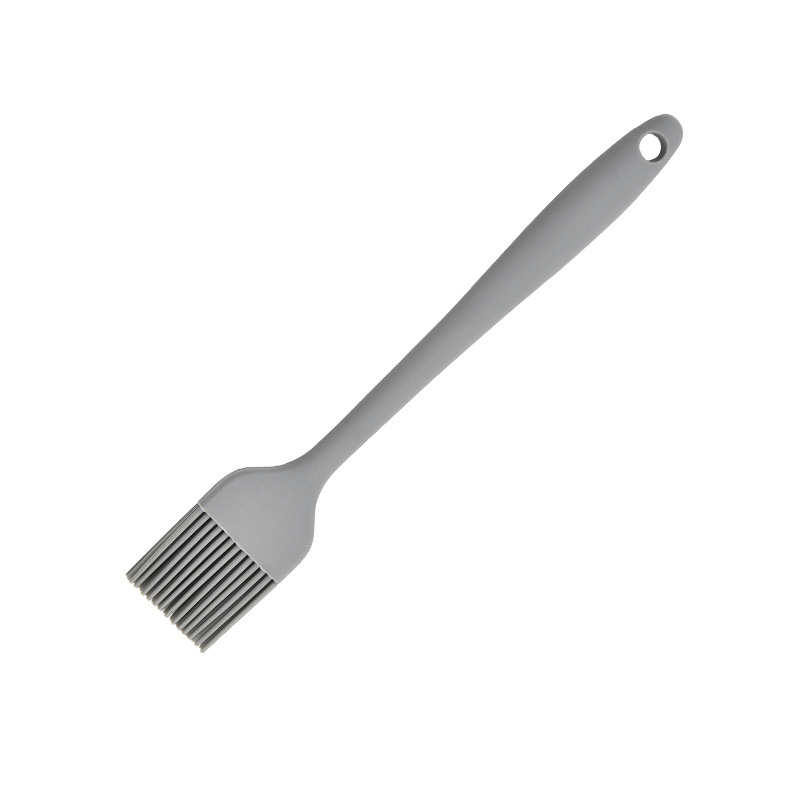
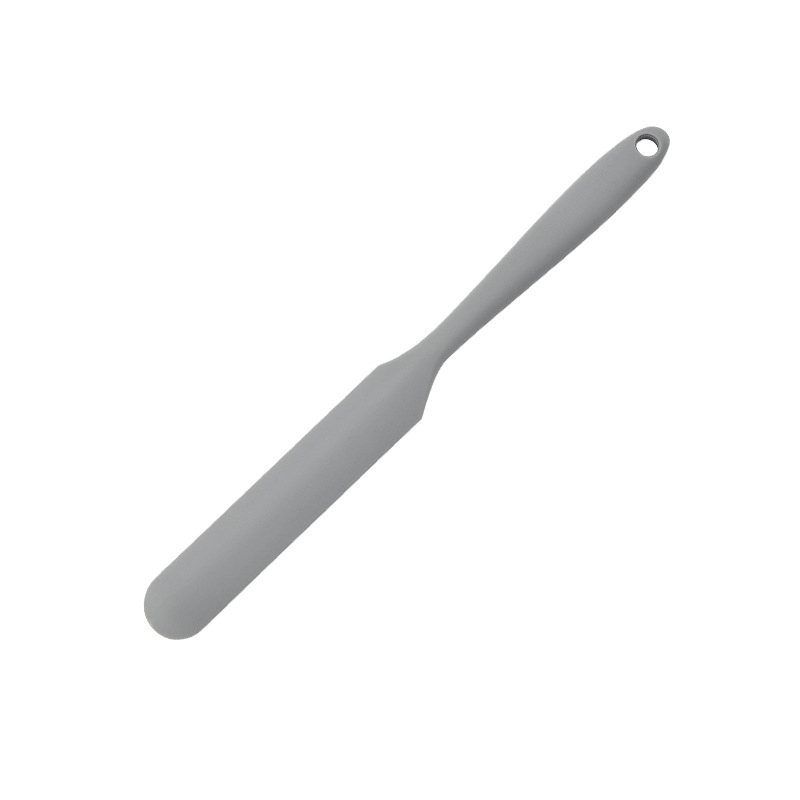
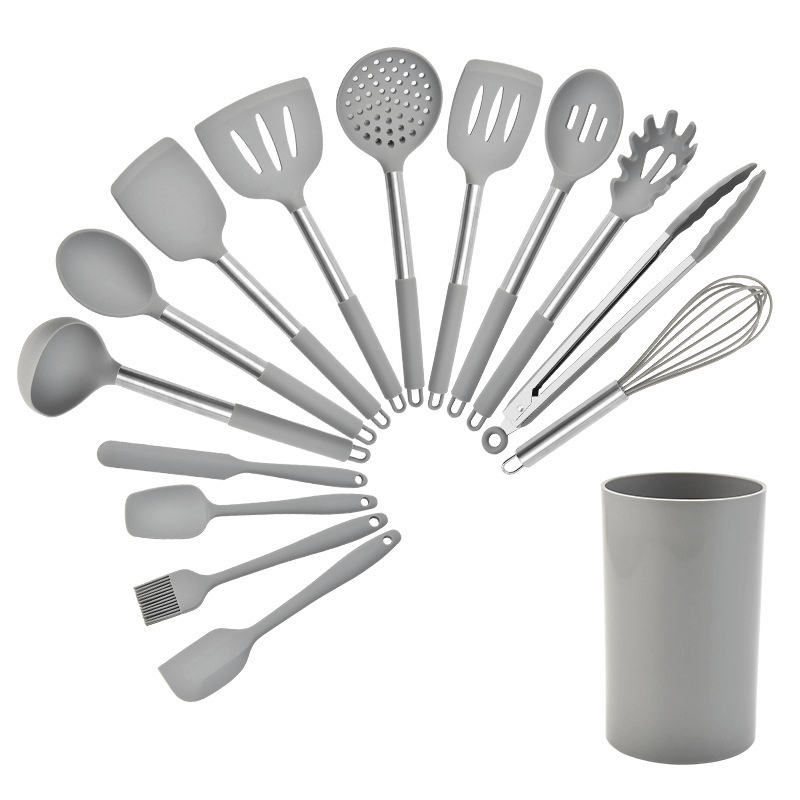
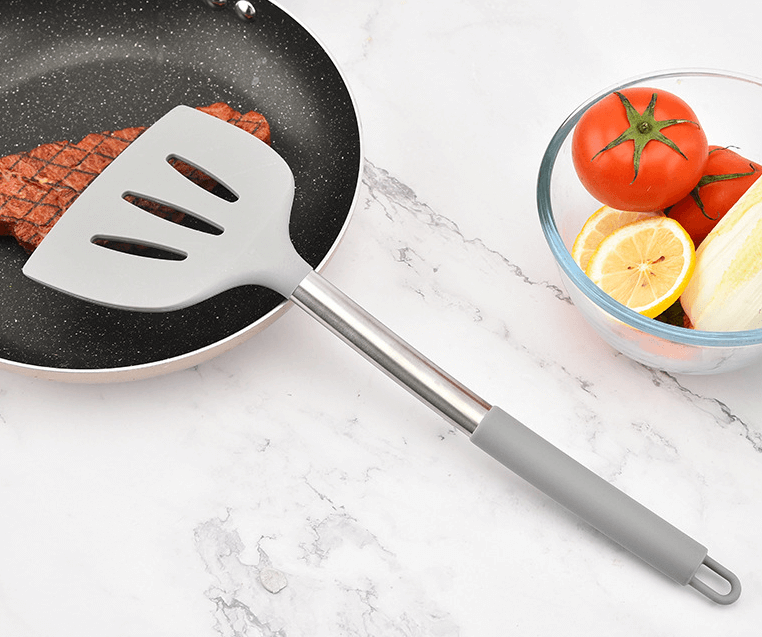
15 Piece Silicone Kitchen Utensil Set
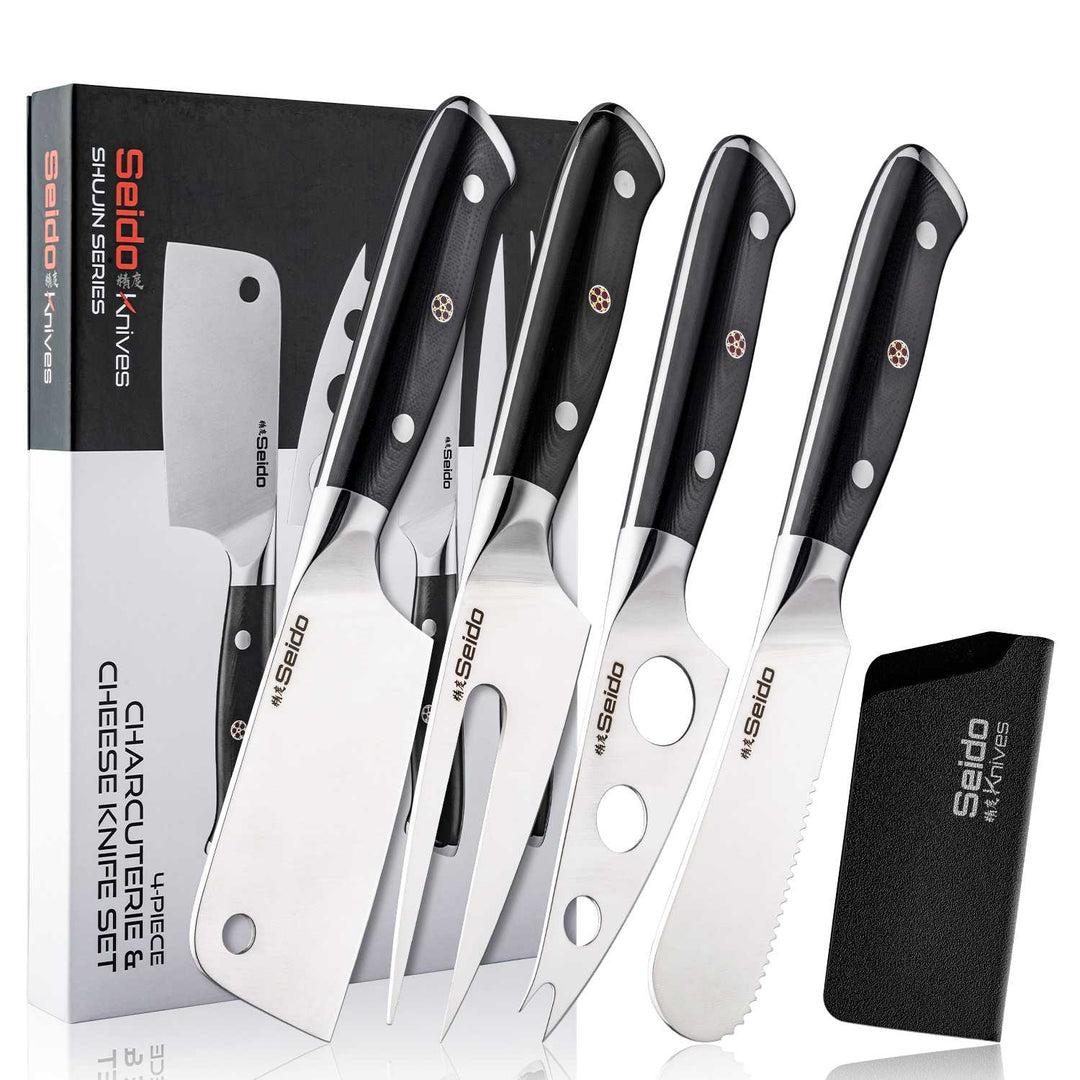
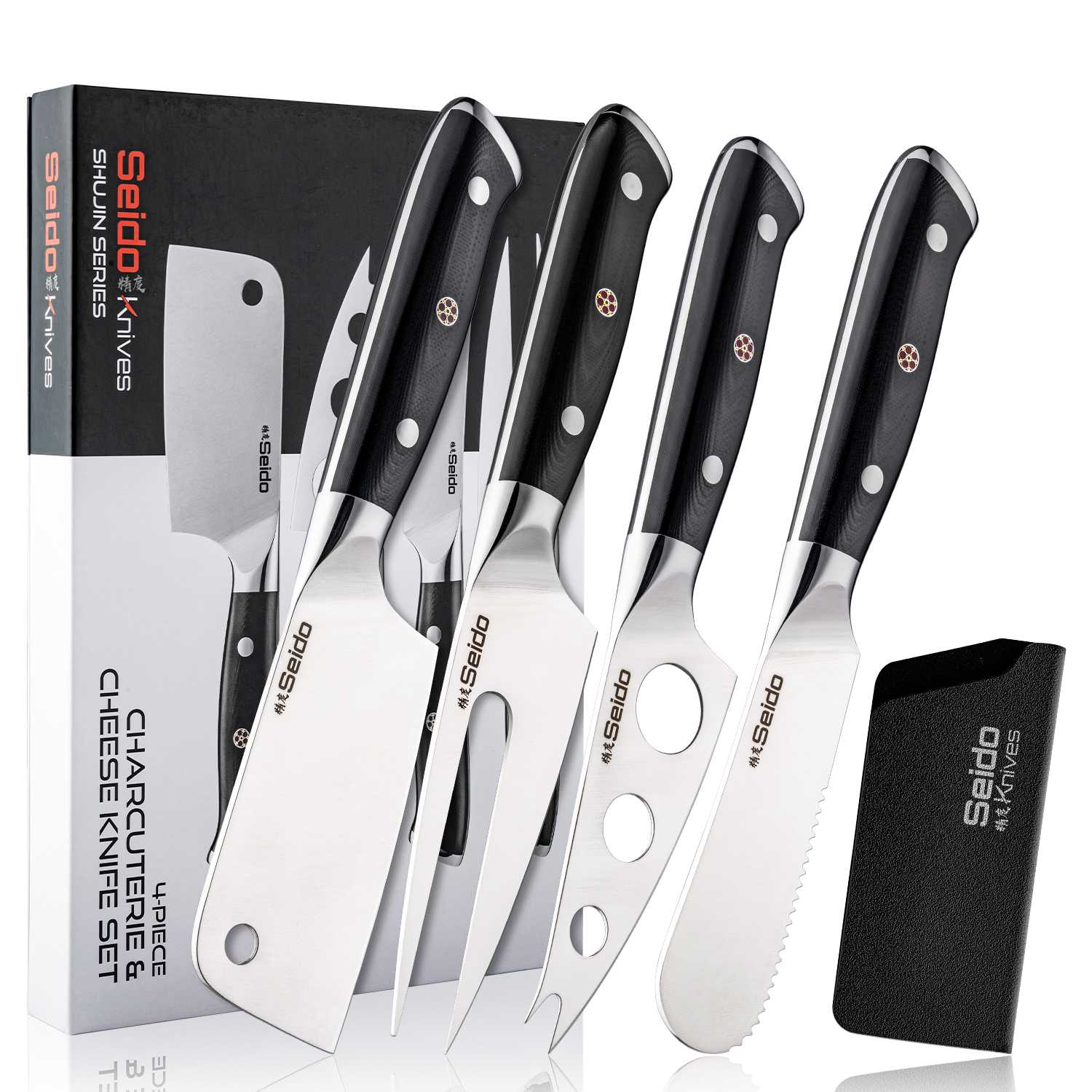
Shujin Charcuterie & Cheese Knife Set
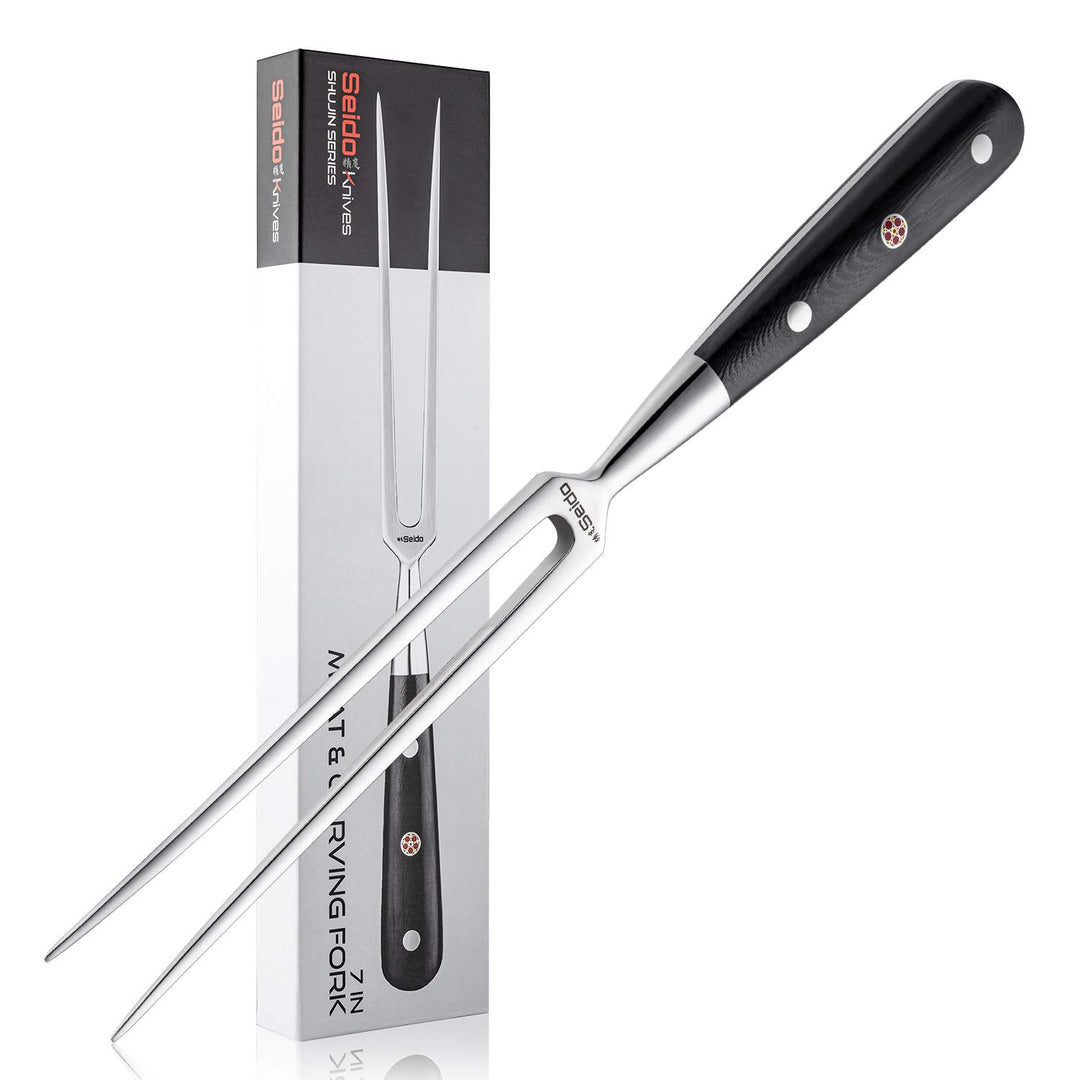
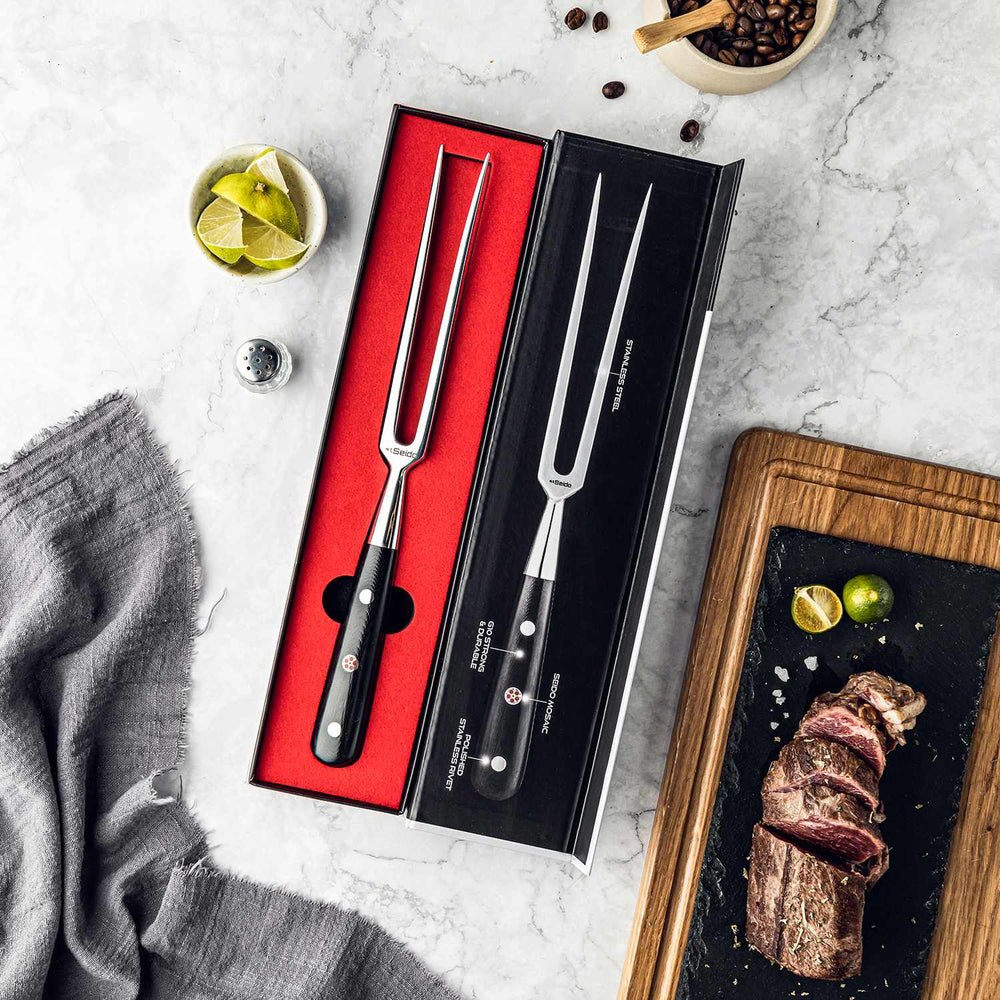
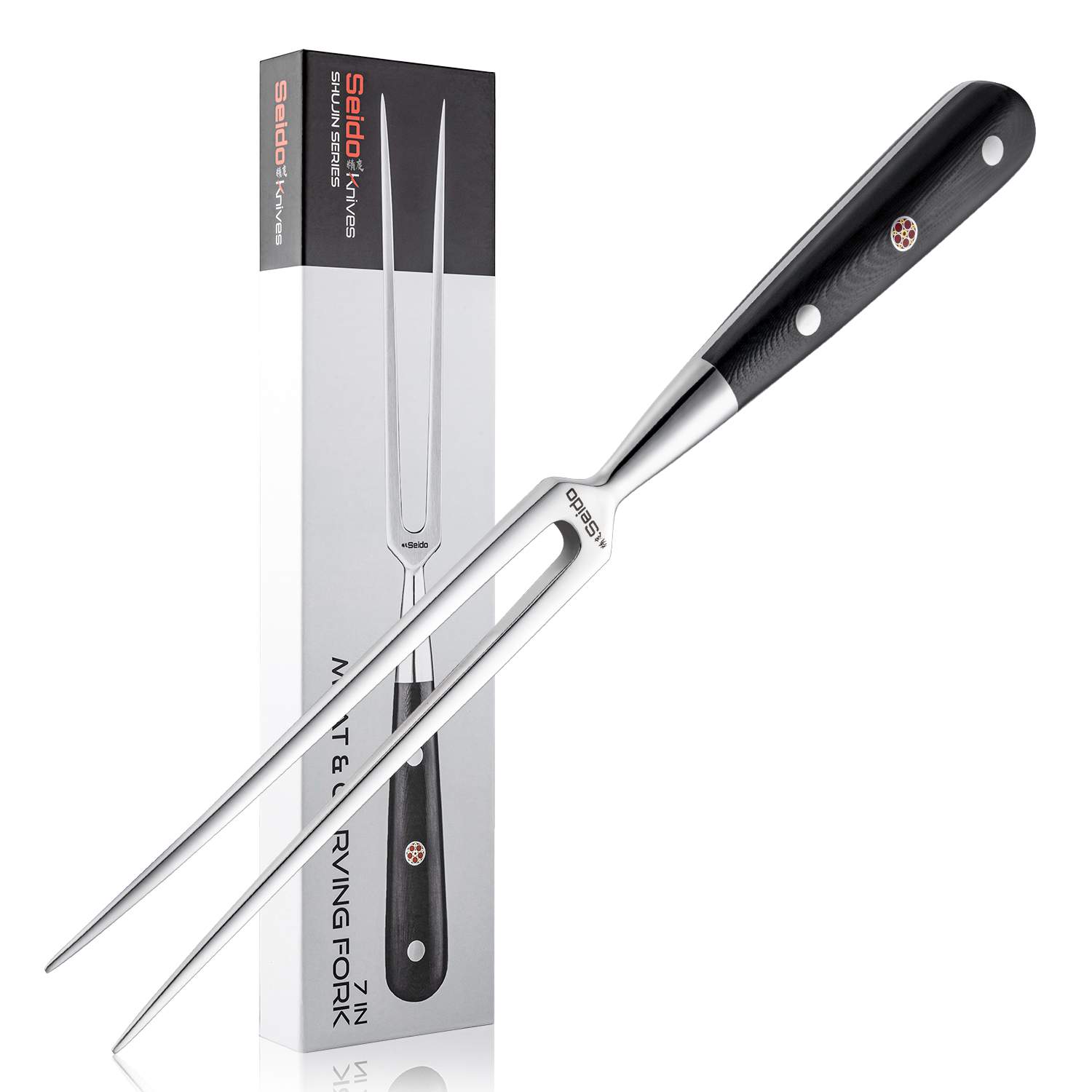
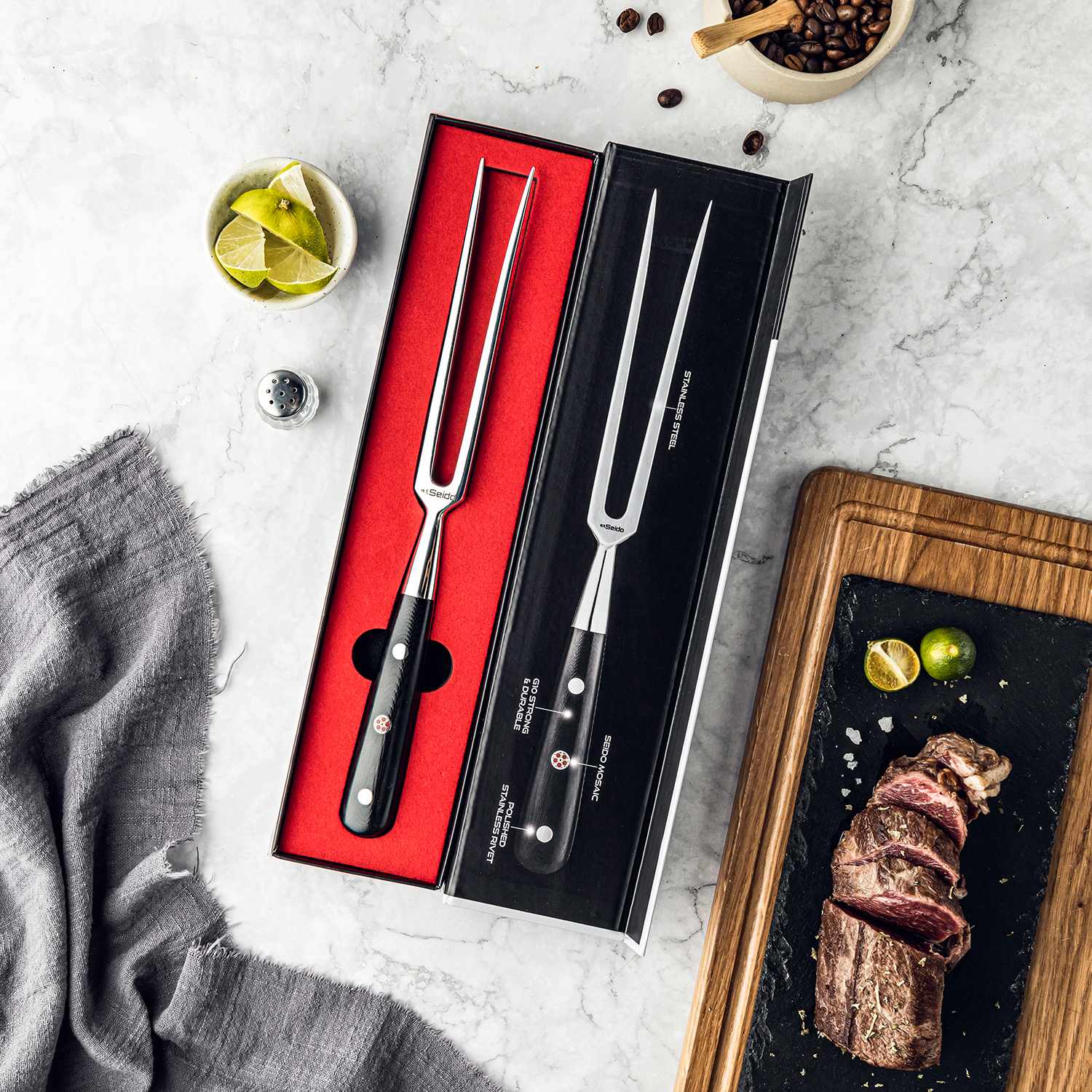
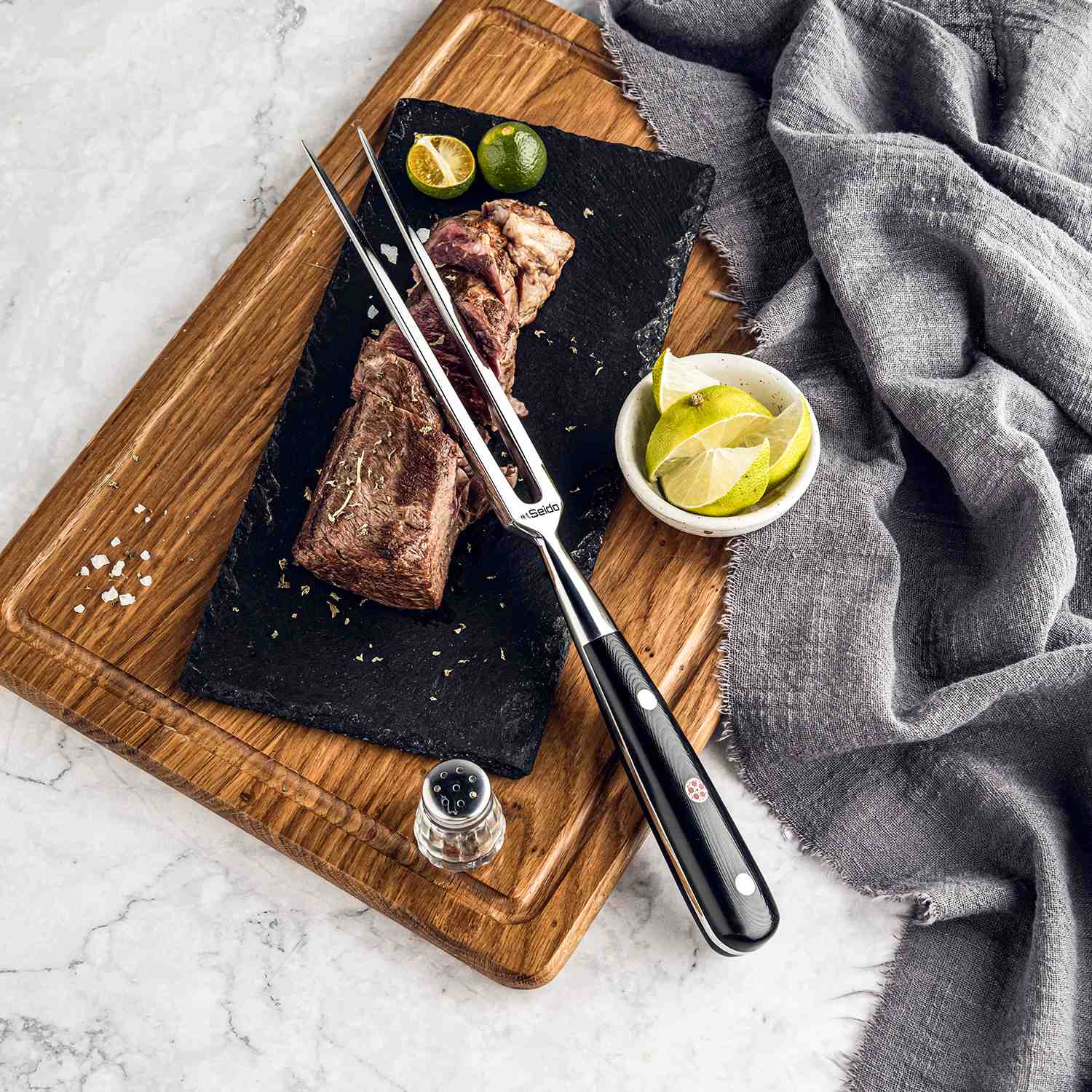
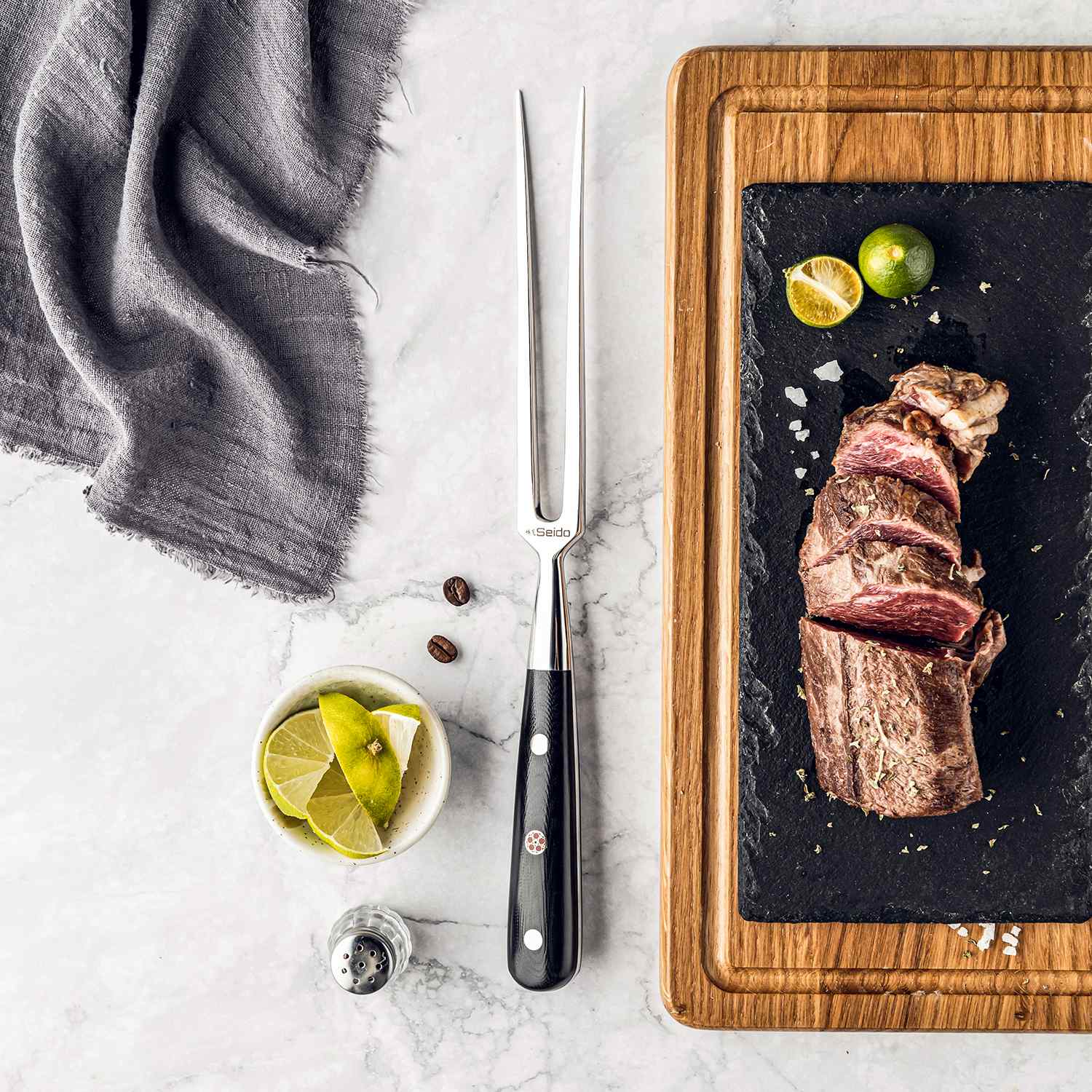
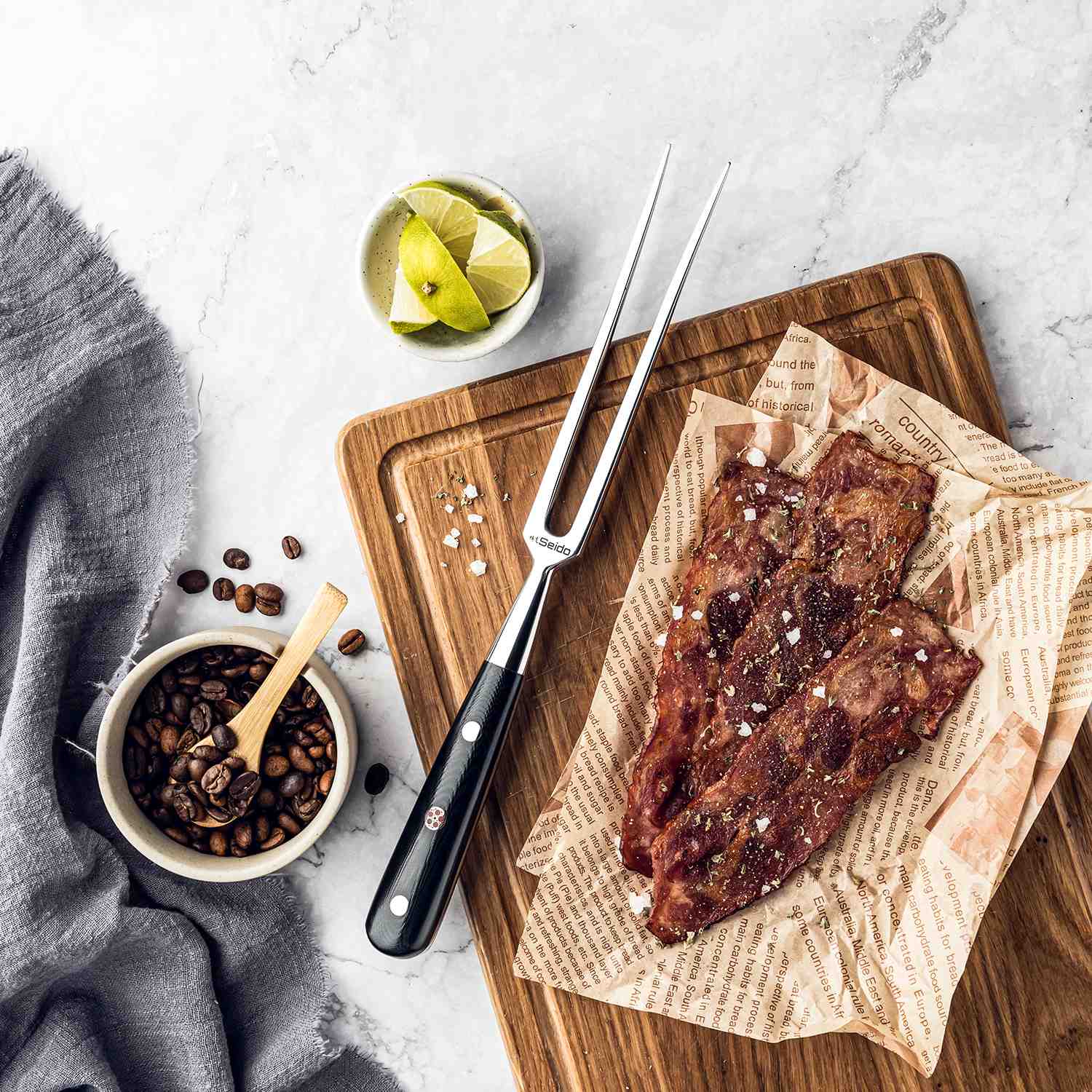
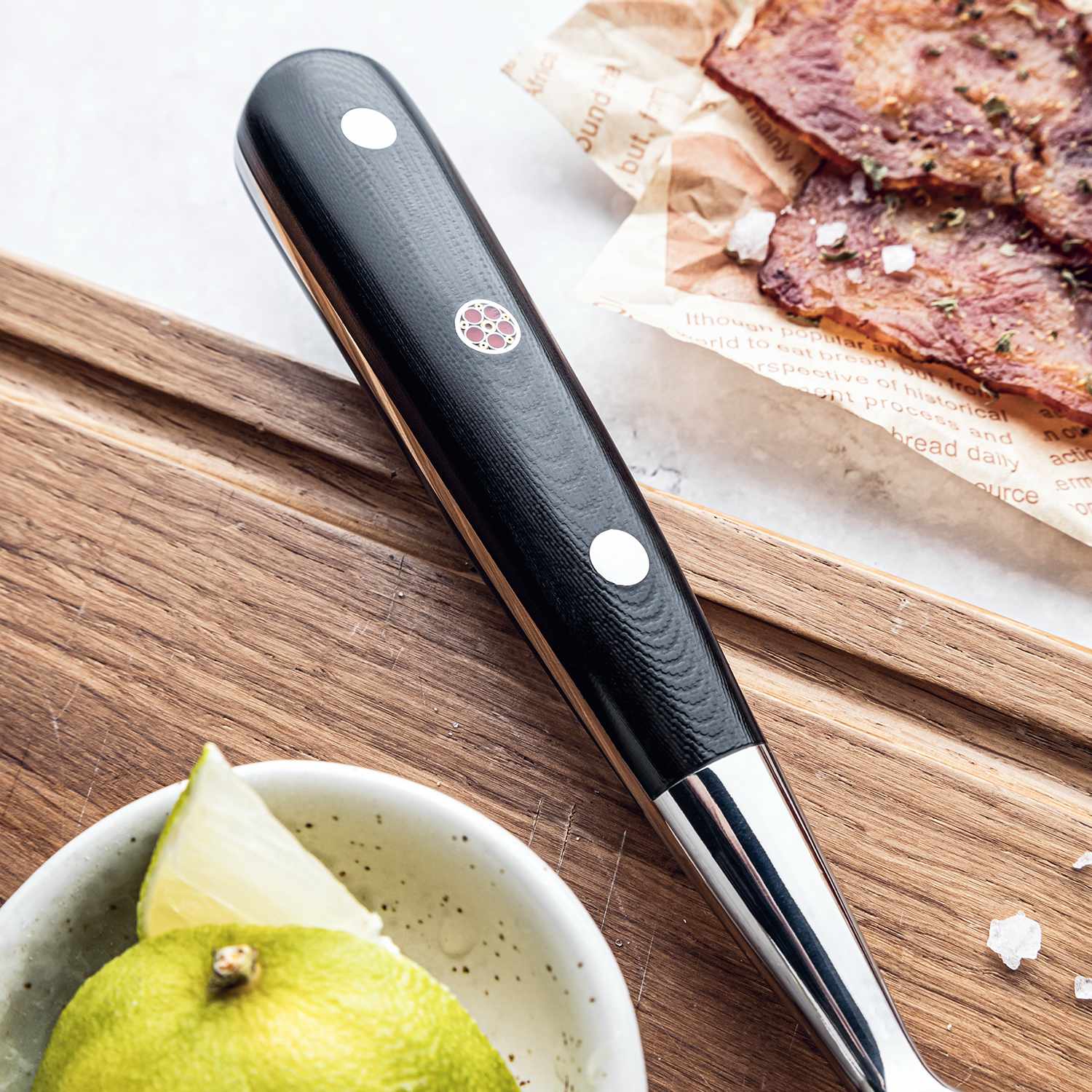
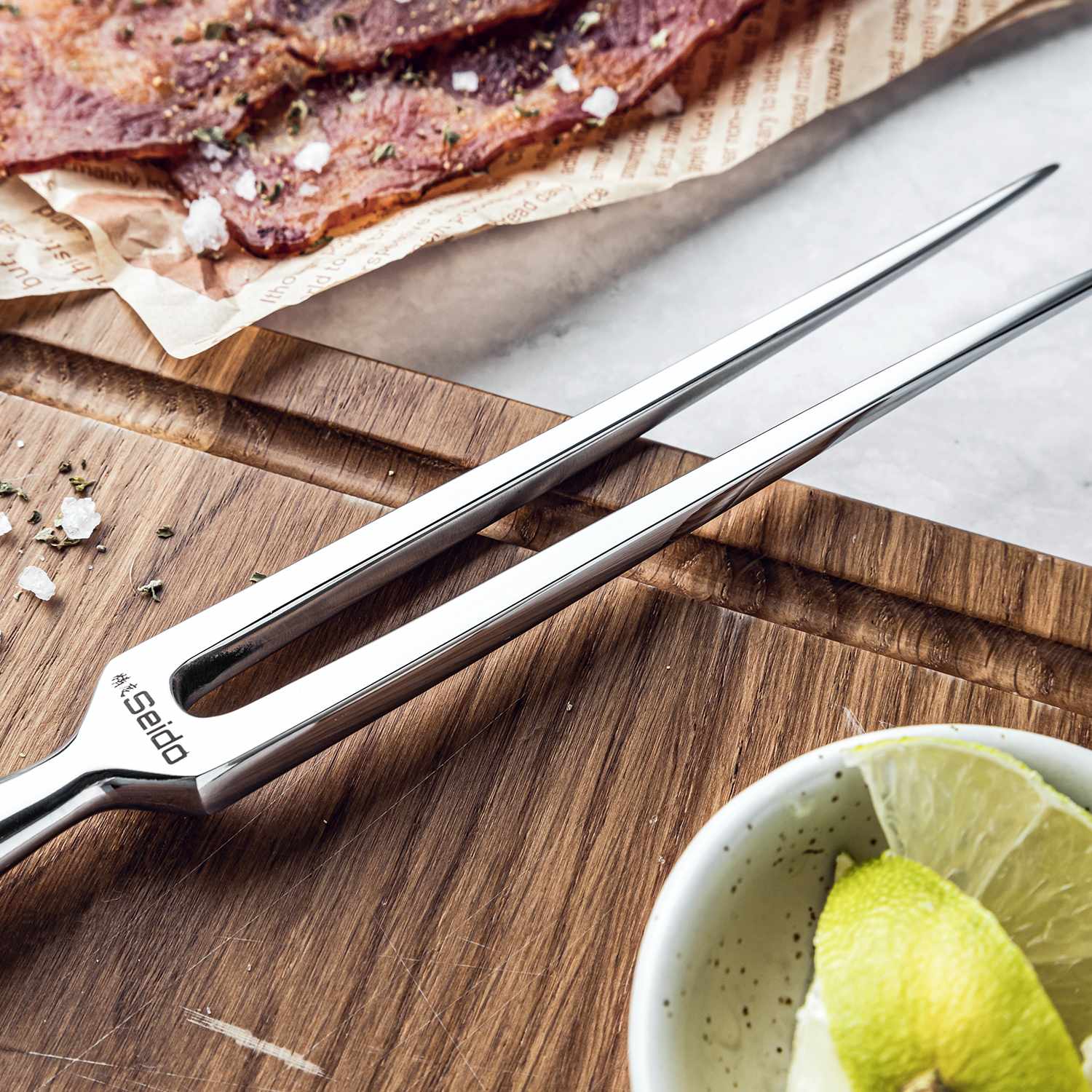
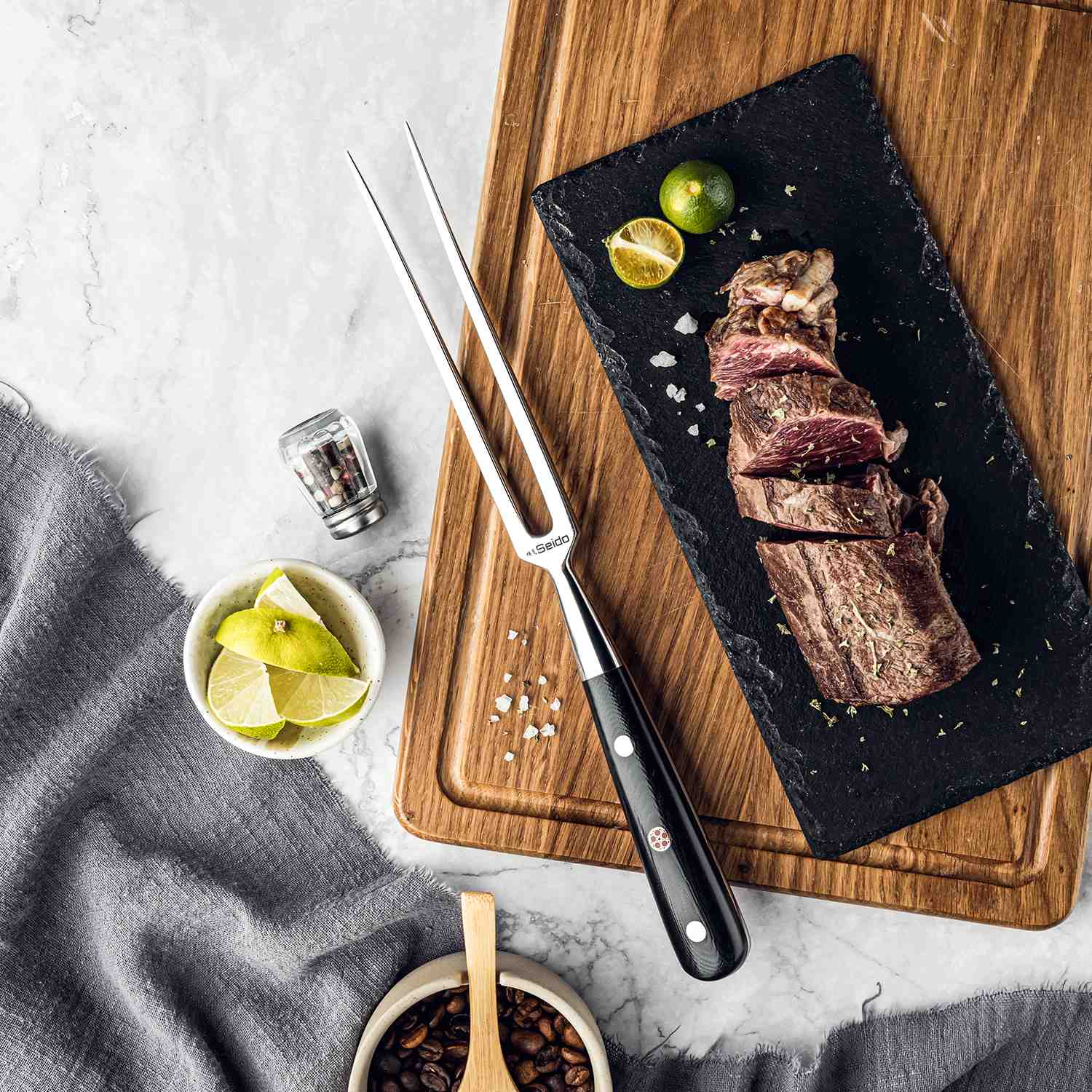
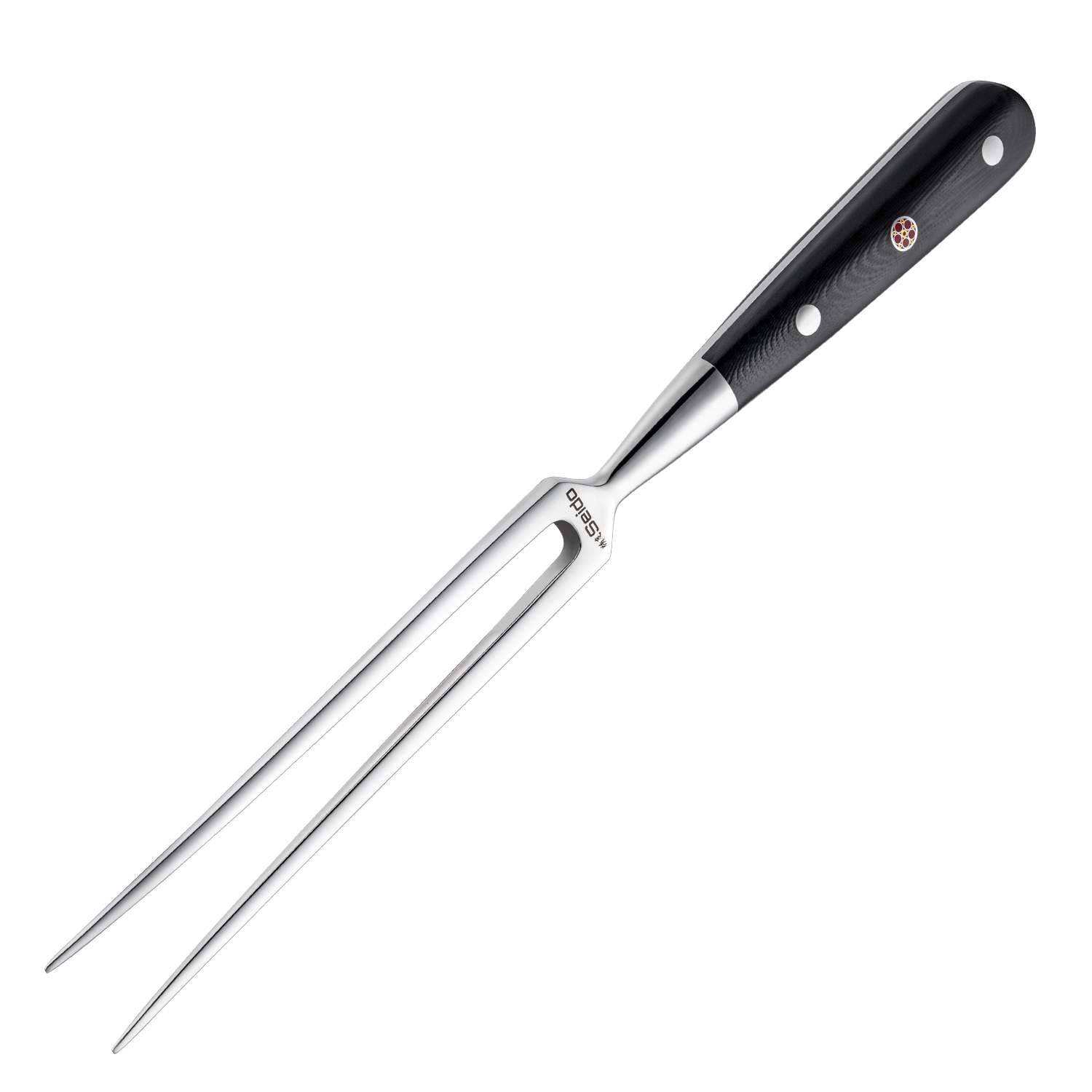
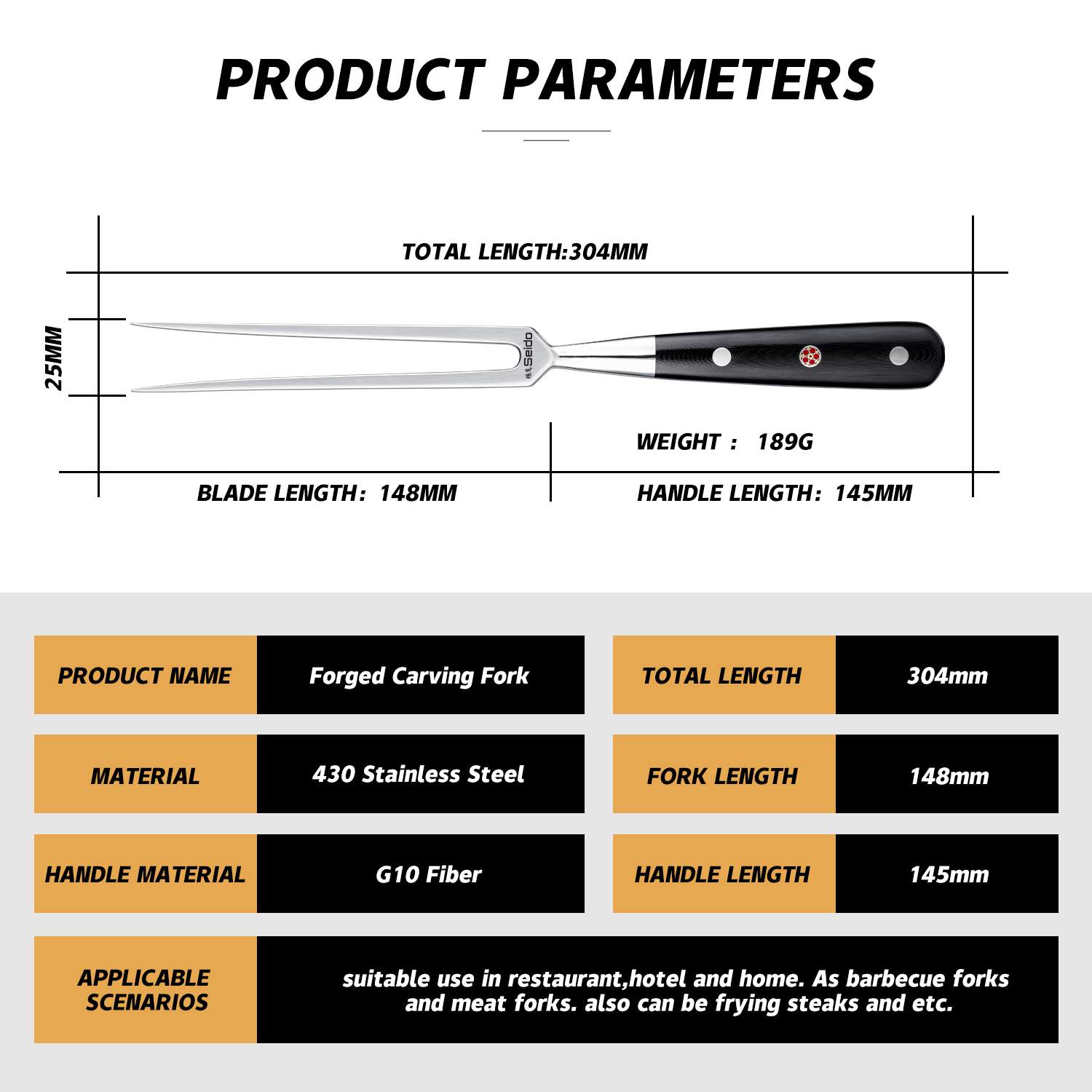
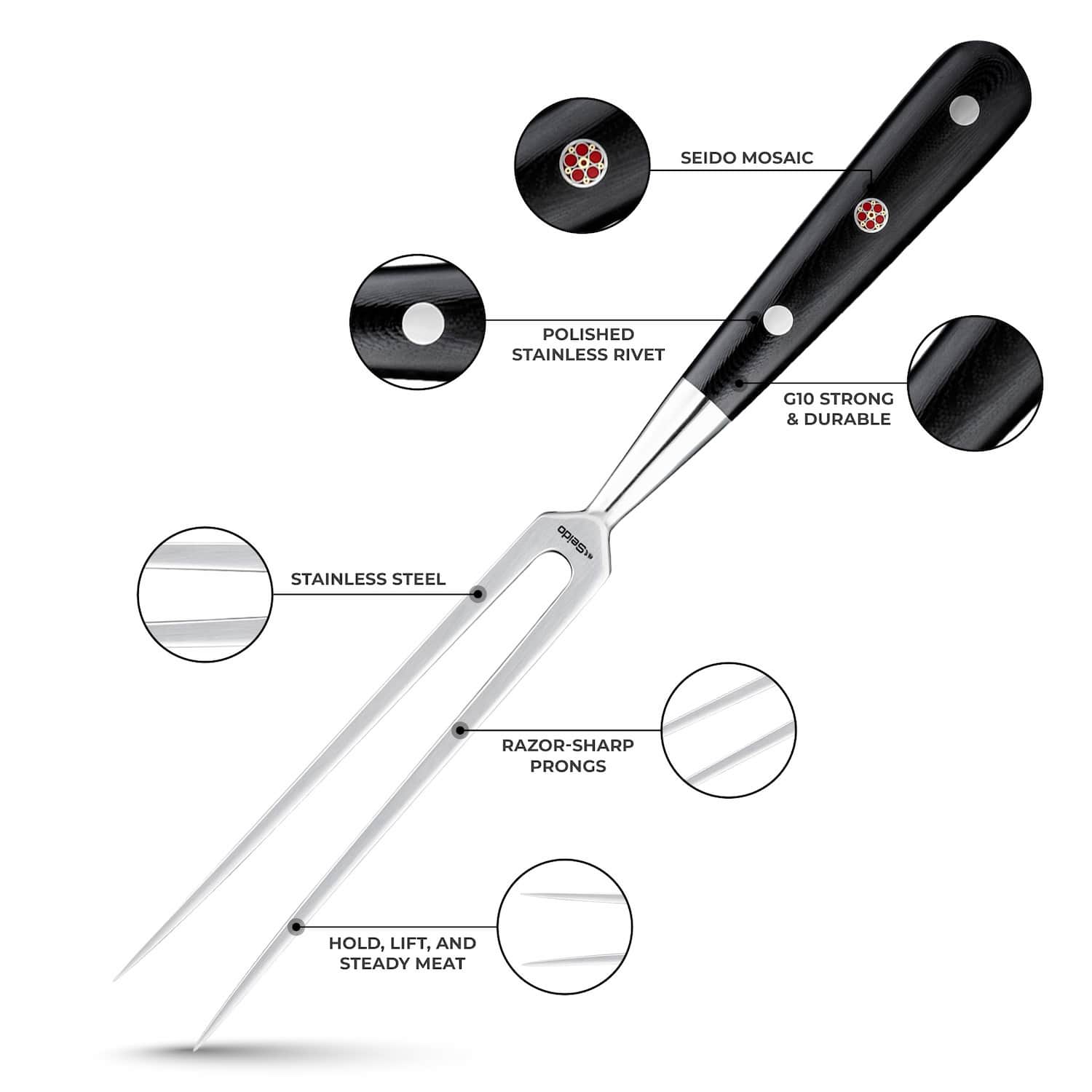
Shujin Meat & Carving Fork
2-Piece Serving Tweezer Set
6-piece Plating Tweezer Set
CHEF TOOLS
Like any other craftsman, a dedicated chef needs professional quality tools. There’s a world of difference between a professional chef’s knife and its big-box store look-alike. Serious chef tools will last for years and do their jobs neatly and quickly.
KITCHEN ACCESSORIES
We have an enormous selection of chef accessories and chef utensils. Once you’ve bought some good knives, you’ll want culinary tools, such as storage and sharpening tools to protect your investment. Durable cutting boards will guard both your knives and your kitchen counters.

Must-Have Chef Tools
Top-of-the-line knives not only make preparation quicker and safer, but they also help create eye-pleasing presentations. Sharper knives are actually safer than dull ones. A sharp knife cuts cleanly. Dull knives are liable to slip, bounce off the food surface or require too much pressure to be used safely
You’ll need some knife sharpening tools to keep your knives sharp and smooth. There is also chef equipment that will store your knives safely. Consider some of the following chef tools:

HONING ROD
A honing rod is a must-have chef tool. Its abrasive surface will smooth away nicks and imperfections between professional sharpenings.
When choosing a honing rod, consider several key qualities to ensure it meets your needs:
- Material: Honing rods come in various materials, including steel, ceramic, and diamond-coated. Steel rods are durable and effective for regular maintenance, while ceramic rods provide a finer edge refinement. Diamond-coated rods are the most abrasive, ideal for restoring very dull knives but can remove more metal over time.
- Length: The length of the honing rod should match or slightly exceed the length of your chef’s knife blade, typically between 8 to 12 inches. A longer rod offers better control and allows for consistent honing strokes along the entire blade.
- Handle: Look for an ergonomic handle that provides a comfortable, non-slip grip, ensuring safety and precision during use. Handles made from wood, rubber, or composite materials can offer different levels of comfort and durability.
- Durability: A high-quality honing rod should maintain its abrasive surface over time without wearing down quickly. This ensures consistent performance and long-term value.
- Maintenance: Some honing rods require minimal upkeep, while others may need occasional cleaning or resurfacing. Choose one that fits your maintenance preferences.
Using the right honing rod regularly preserves the sharpness and longevity of your knives.

KNIFE ROLL BAG
If you travel between kitchens, whether professionally or as part of your social life, you need a knife roll. Don't risk working with someone else's dull knives. Take these essential chef tools with you in a sturdy, compact roll-up bag.
When choosing a knife roll bag, consider several important qualities to ensure it meets your needs:
- Material Durability: Look for knife rolls made from heavy-duty materials such as canvas, leather, or reinforced nylon. These materials offer excellent protection against wear and tear, ensuring your knives stay safe during transport.
- Size and Capacity: The bag should have enough compartments and slots to securely hold all your essential knives and tools without overcrowding. Some knife rolls also include extra pockets for accessories like honing rods, shears, and small utensils.
- Protection and Padding: Adequate padding inside the roll helps protect knife blades from damage and prevents them from dulling or bending. Some knife rolls feature reinforced panels or magnetic closures for additional security.
- Ease of Transport: A comfortable handle or shoulder strap makes carrying your knife roll easier, especially if you travel frequently. Compact and lightweight designs are ideal for chefs on the go.
- Organization: Well-designed compartments keep your knives separated and organized, reducing the risk of blades rubbing against each other. This also helps you quickly find the right tool when needed.
- Safety Features: Look for knife rolls with secure closures such as buckles, snaps, or zippers to keep your knives safely enclosed during transport and storage.
Investing in a high-quality knife roll bag not only protects your valuable chef tools but also adds convenience and professionalism to your culinary routine.

KNIFE SHEATH
Keep your knives at their sharpest with a knife sheath. Often made of fine wood, a magnetic knife sheath or cover guarantees that your perfect knife edge won't be damaged.
When choosing a knife sheath, consider these important factors:
- Material: High-quality sheaths are typically made from durable materials such as hardwood, leather, or reinforced synthetic fabrics. Wood sheaths, especially those with magnetic closures, offer excellent protection while maintaining a traditional aesthetic.
- Fit and Size: The sheath should snugly fit your specific knife model to prevent the blade from moving inside, which can dull the edge or cause damage. A well-fitted sheath also enhances safety during storage and transport.
- Protection: Look for sheaths that fully cover the blade, including the tip, to guard against accidental cuts and maintain the blade’s sharpness. Some designs include reinforced tips or additional padding for extra security.
- Ease of Use: A sheath should allow for easy insertion and removal of the knife without compromising safety. Magnetic sheaths provide a balance of secure holding and quick access.
- Portability: If you carry your knives frequently, consider sheaths with belt loops or compact designs that make transport convenient and secure.
- Maintenance: Choose materials that are easy to clean and maintain to ensure your sheath remains hygienic and in good condition over time.
Selecting the right knife sheath protects your investment, extends the life of your knives, and adds an element of professionalism and safety to your kitchen routine.

KITCHEN SHEARS
Ordinary scissors weren't designed to cut up chicken breasts or divide cartilage. Tools for a chef should include heavy-duty kitchen shears that are ergonomically designed, rust-proof, and perform difficult tasks such as cutting bones.
When choosing kitchen shears, consider the following key features to ensure they meet your professional needs:
- Blade Material: Look for stainless steel or high-carbon steel blades that resist rust and maintain sharpness over time. This ensures durability and clean cuts through tough ingredients.
- Ergonomic Handles: Comfortable, non-slip handles reduce hand fatigue during extended use and provide better control for precise cutting.
- Blade Design: Some shears feature serrated edges to grip slippery items like poultry skin or herbs, while others have straight blades for general cutting tasks. Choose a pair that suits your typical kitchen needs.
- Multi-functionality: Many kitchen shears include additional tools such as bottle openers, nutcrackers, or herb strippers integrated into the handles, adding versatility.
- Ease of Cleaning: Shears that can be taken apart for thorough cleaning help maintain food safety and hygiene standards.
- Safety Features: Look for locking mechanisms to keep blades closed when not in use, protecting your fingers and prolonging blade life.
Investing in high-quality kitchen shears enhances your ability to tackle a variety of prep tasks efficiently and safely, making them an indispensable part of your chef tools collection.

CHARCUTERIE & CHEESE KNIFE SET
A quality charcuterie and cheese knife set is an essential addition to any chef tools collection, especially for those who enjoy serving or preparing cheese boards, charcuterie platters, and fine dining presentations. These specialized knives are designed to handle the unique textures and challenges posed by various types of cheese and cured meats, ensuring clean cuts without crushing or sticking.
When selecting a charcuterie and cheese knife set, consider the following key features:
- Variety of Blades: A good set typically includes several types of knives such as a soft cheese knife with holes to prevent sticking, a hard cheese knife for breaking through firm cheeses, a cheese fork for serving, and a slicing knife for meats. This variety allows you to handle different textures and tasks efficiently.
- Blade Material: Stainless steel blades are preferred for their durability, corrosion resistance, and ease of maintenance. High-quality steel ensures sharpness and longevity.
- Ergonomic Handles: Comfortable, non-slip handles provide better control and safety during slicing, especially when working with tougher cheeses or meats.
- Blade Design: Look for knives with thin, sharp blades that minimize crumbling or tearing. Some knives feature serrated edges for cutting through rinds and crusts, while others have smooth edges for delicate slicing.
- Aesthetic Appeal: Since charcuterie and cheese boards are often served as elegant presentations, choose a set with a design that complements your style, whether modern, rustic, or classic.

MEAT CARVING FORK
A meat carving fork is an essential tool for any chef who frequently works with roasts, poultry, or large cuts of meat. It helps to securely hold the meat in place while carving, ensuring clean, precise slices and enhancing safety during the process.
When choosing a meat carving fork, consider these important features:
- Tine Length and Strength: Look for long, sturdy tines that can easily penetrate and hold large cuts of meat without bending. Strong tines provide better control and stability while carving.
- Material: Stainless steel is the preferred material for durability, rust resistance, and ease of cleaning. High-quality steel maintains its strength and sharpness over time.
- Handle Comfort and Grip: An ergonomic handle made from wood, plastic, or composite materials ensures a comfortable, non-slip grip. This reduces hand fatigue during extended use and increases safety.
- Balance and Weight: A well-balanced fork allows for better maneuverability and control, making carving smoother and more precise. Avoid forks that feel too heavy or unbalanced.
- Ease of Cleaning: Dishwasher-safe materials or designs that allow easy hand washing help maintain food safety and hygiene.

PLATING TWEEZER SET
A plating tweezer set is an essential tool for chefs who focus on precise presentation and refined plating techniques. These tweezers allow for delicate handling of small ingredients like microgreens, herbs, edible flowers, and intricate garnishes, ensuring each element is placed exactly where it should be without damage.
When selecting a plating tweezer set, consider the following important features:
- Variety of Tips: A good set typically includes multiple tweezers with different tip shapes—such as fine pointed, flat rounded, and angled tips—to handle a range of plating tasks with precision and versatility.
- Material Quality: Stainless steel tweezers are preferred for their durability, rust resistance, and ease of cleaning. High-quality materials ensure the tweezers maintain their shape and grip over time.
- Non-Slip Grip: Look for tweezers with textured handles or non-slip coatings to provide better control and reduce hand fatigue during detailed plating work.
- Length and Balance: Tweezers should be long enough to reach into plates comfortably while being well-balanced for ease of use and accuracy.
- Ease of Cleaning: Choose tweezers that are dishwasher safe or easy to sanitize by hand, supporting food safety standards in professional kitchens.

FINDING THE BEST ACCESSORIES FOR CHEFS
At Seido we carry a wide range of Japanese knives, world-renowned for their high quality. Pair your knives with equally high-quality accessories to ensure they serve you well for decades to come.
Why the Right Tools Matter in a Professional Kitchen
In a professional kitchen, every second counts, and having the right tools is essential for success. The right chef tools and kitchen utensils enhance speed, precision, and efficiency, enabling chefs to prepare dishes quickly without compromising quality. High-quality knives, for example, provide sharp, clean cuts that improve both safety and presentation, while durable cookware and utensils withstand the demands of daily service.
Using the right tools also ensures consistency and accuracy in food preparation, which is crucial for delivering a perfect final product every time. Proper equipment supports food safety by being easier to clean and maintain, reducing the risk of contamination. Additionally, specialized tools like fish spatulas, peelers, and wooden spoons allow chefs to handle certain ingredients with care and creativity, elevating the overall cooking process.
Ultimately, investing in the right kitchen tools empowers professional chefs to work efficiently, maintain high standards, and bring their culinary creativity to life, making all the difference in a fast-paced, demanding environment.