
3 products
Save 40%
Quick view


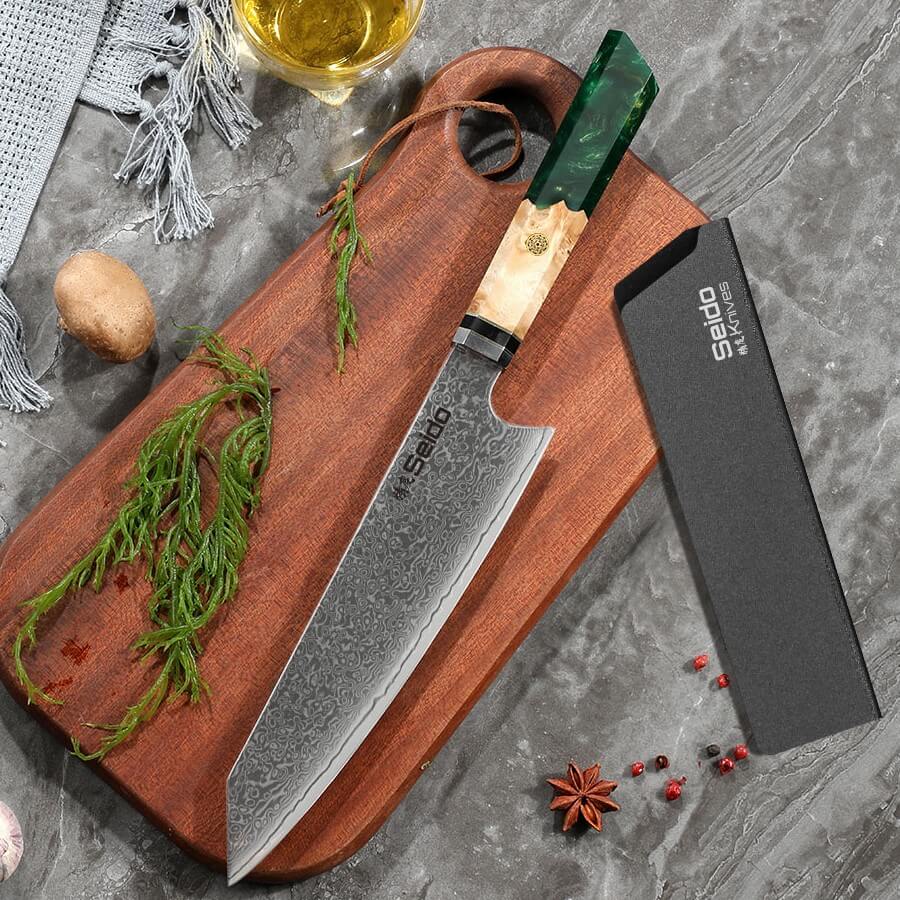
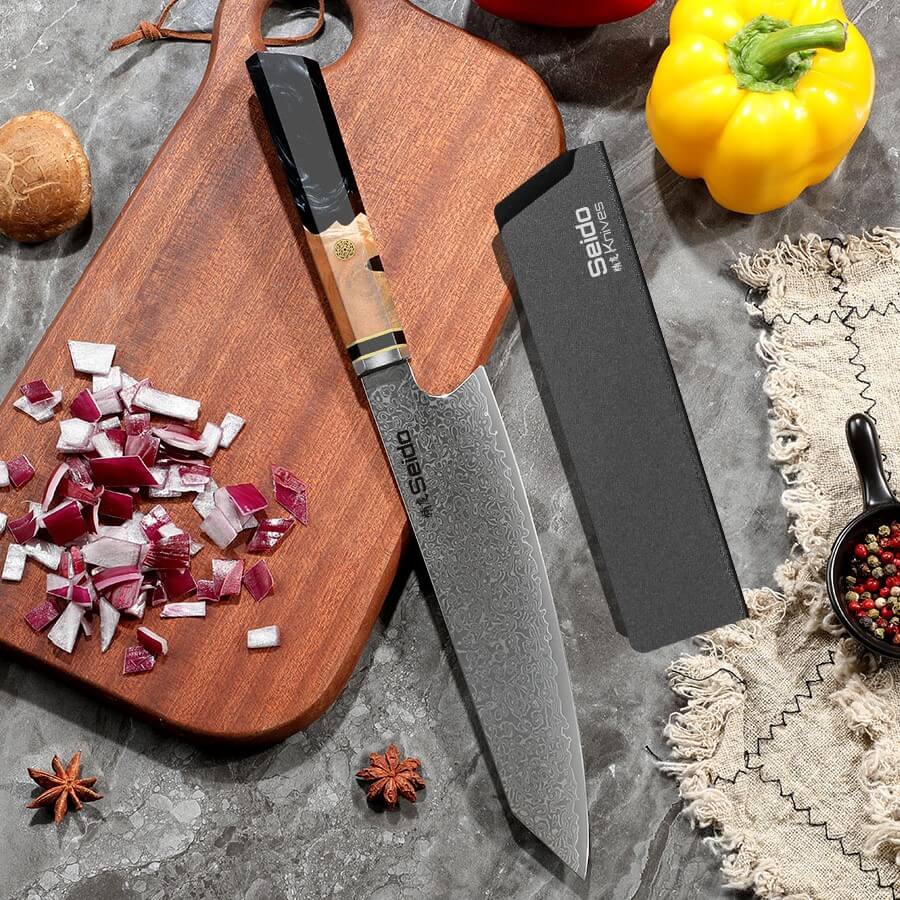
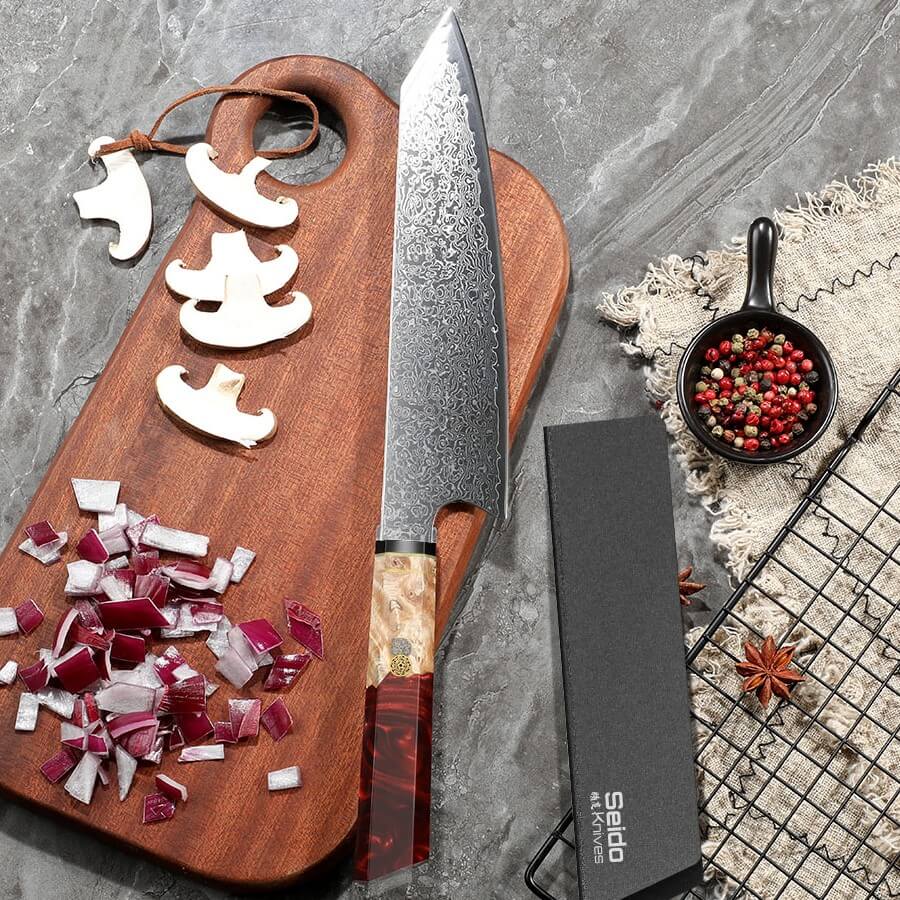
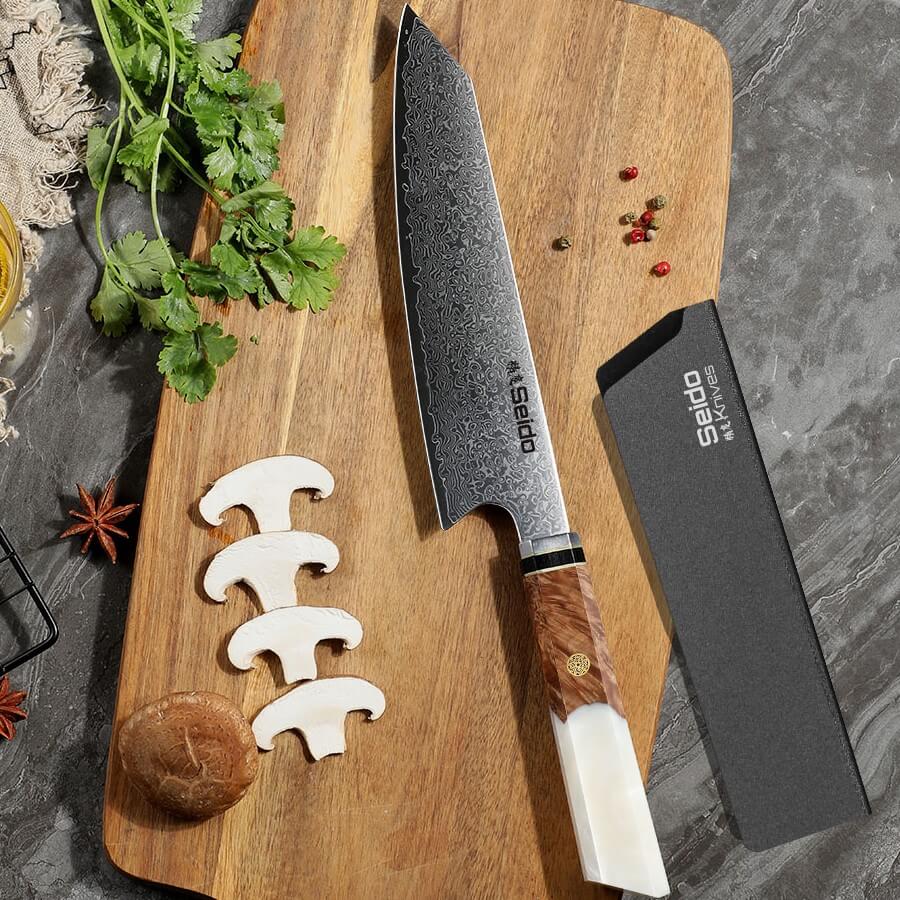
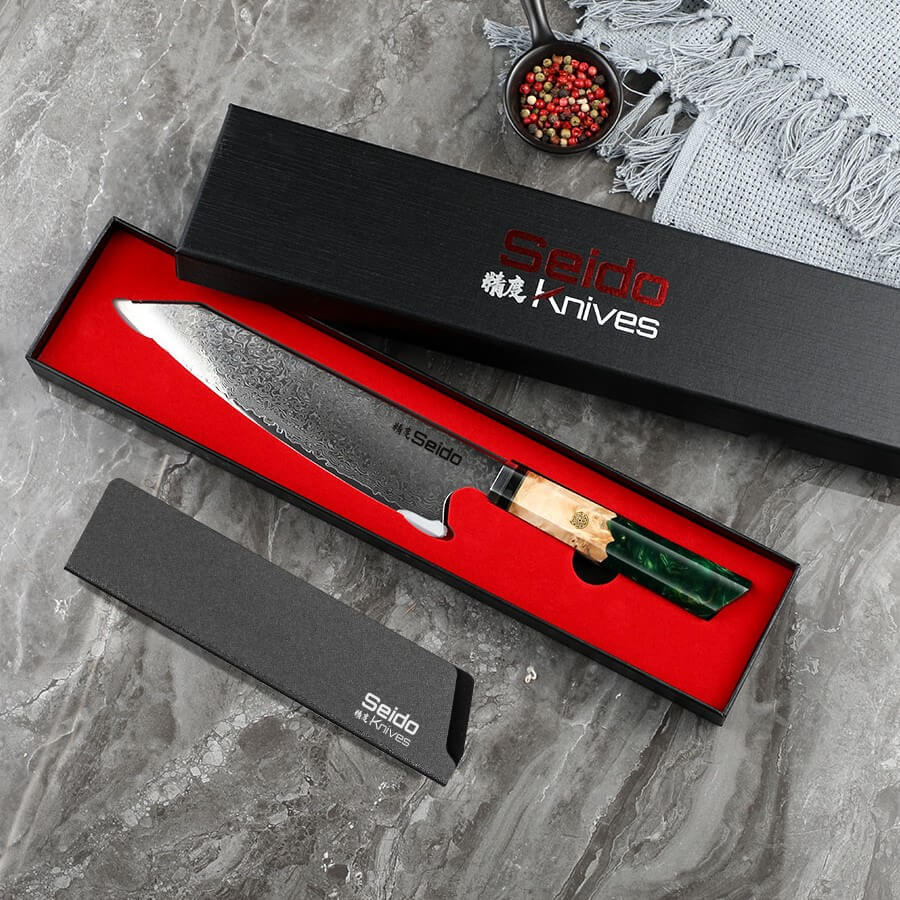
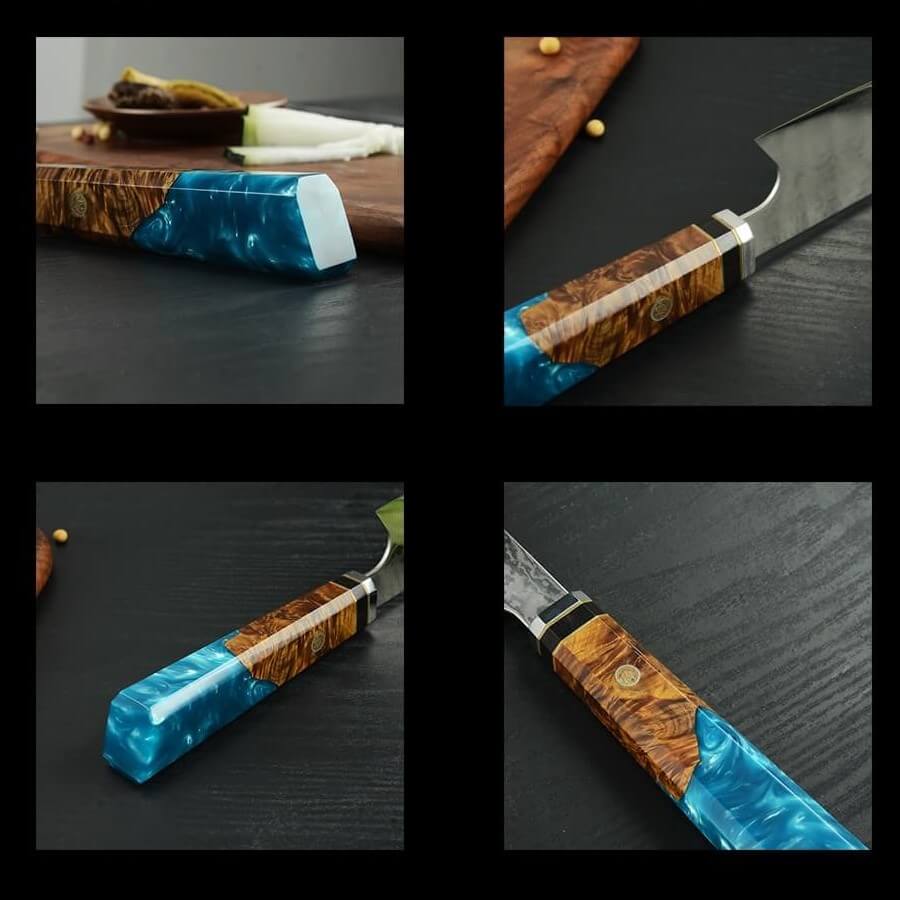
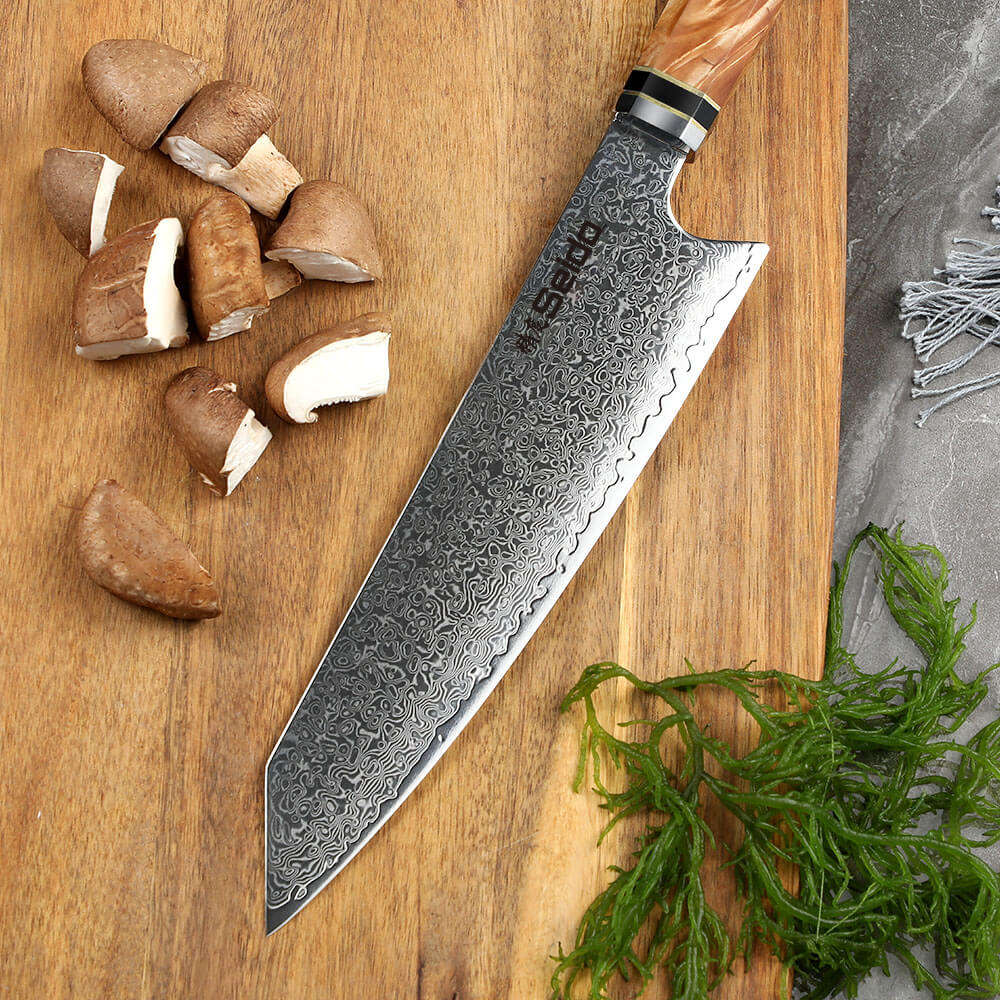
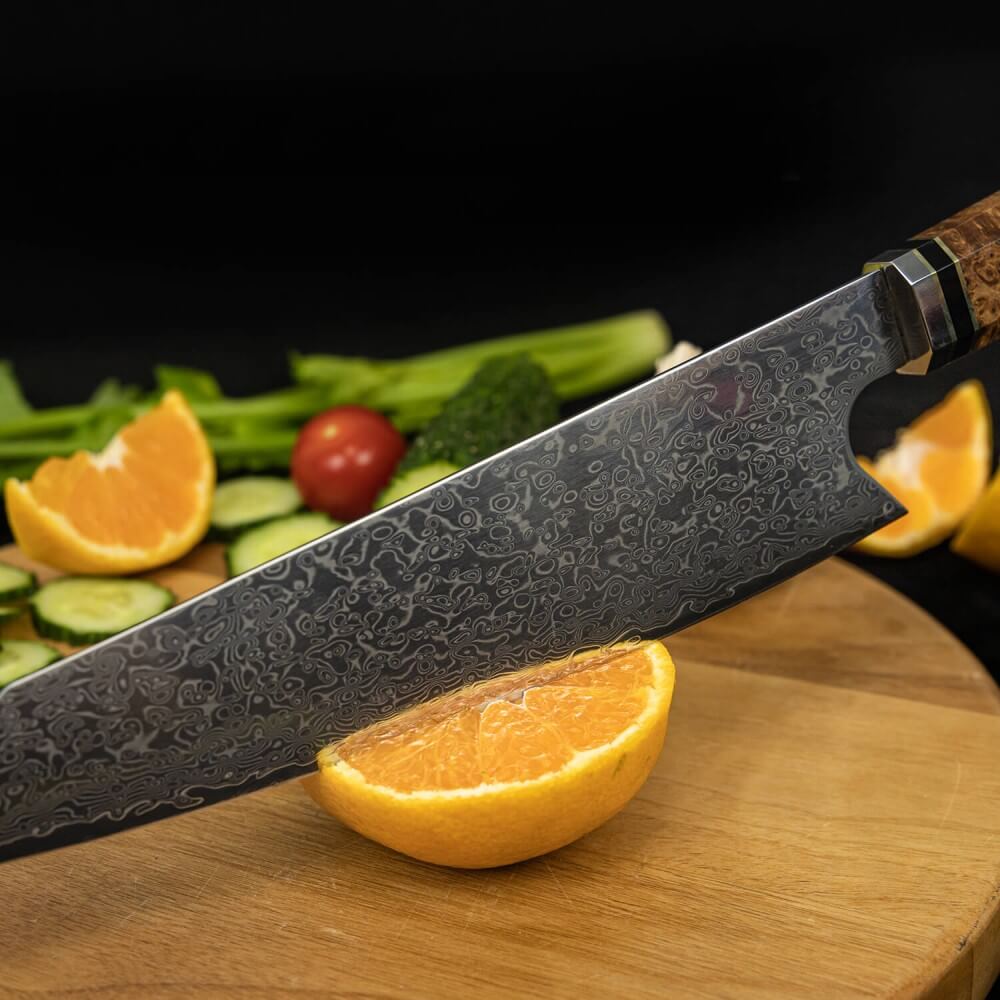
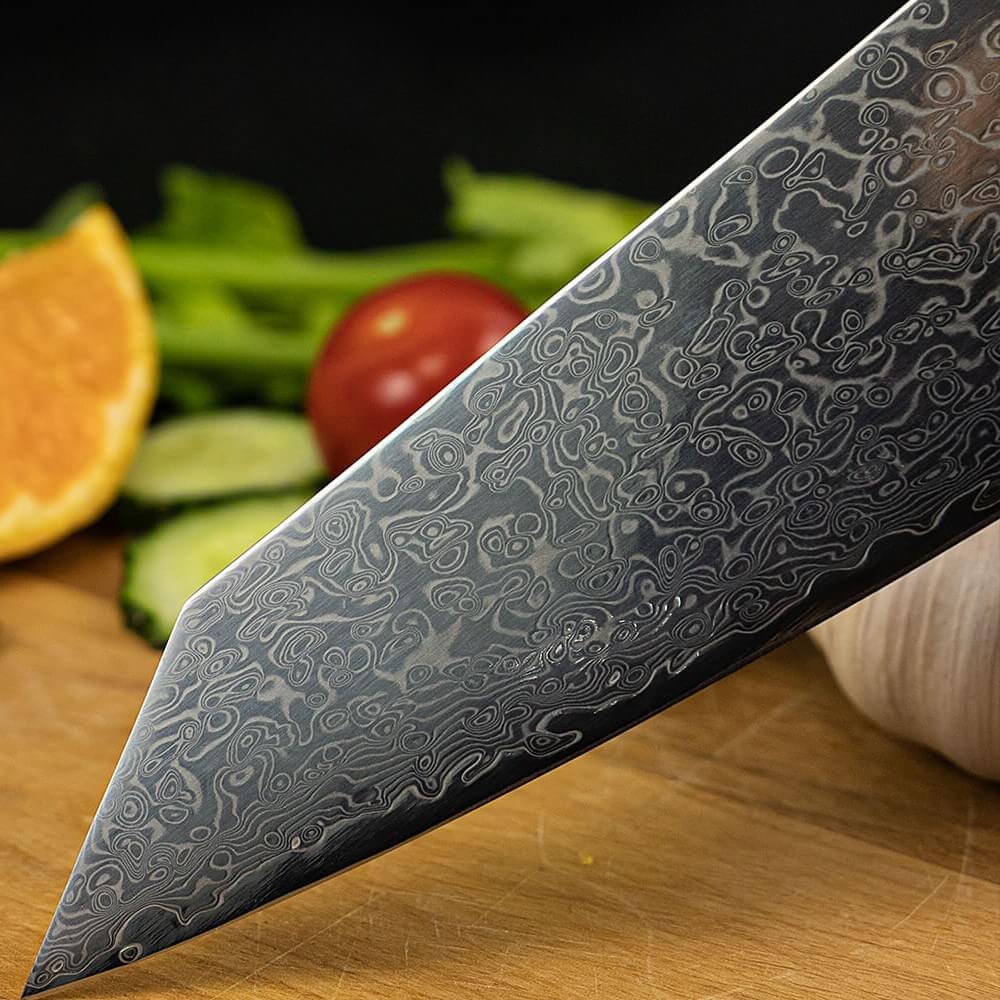
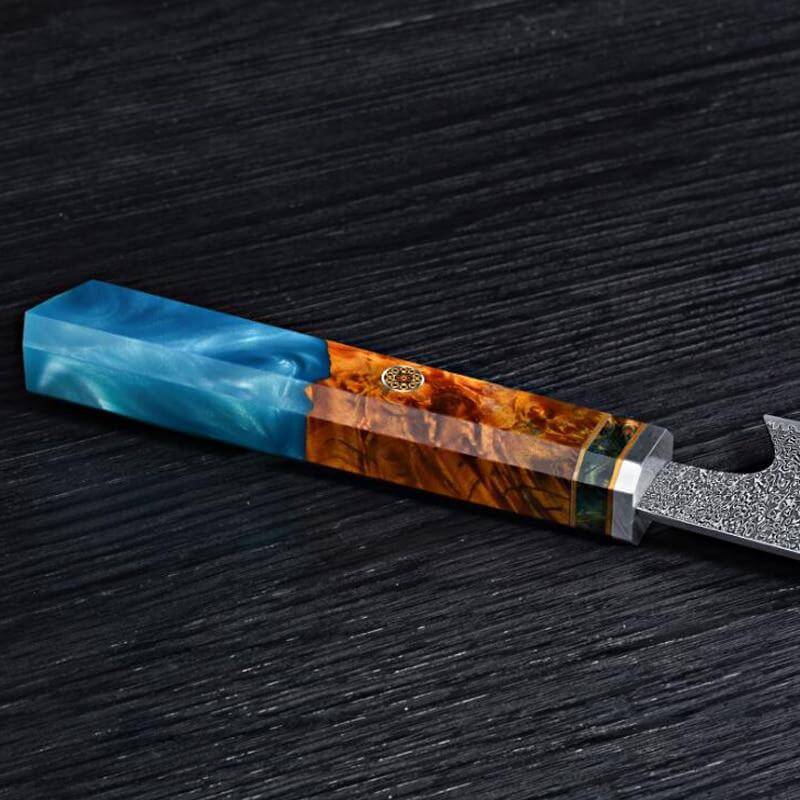
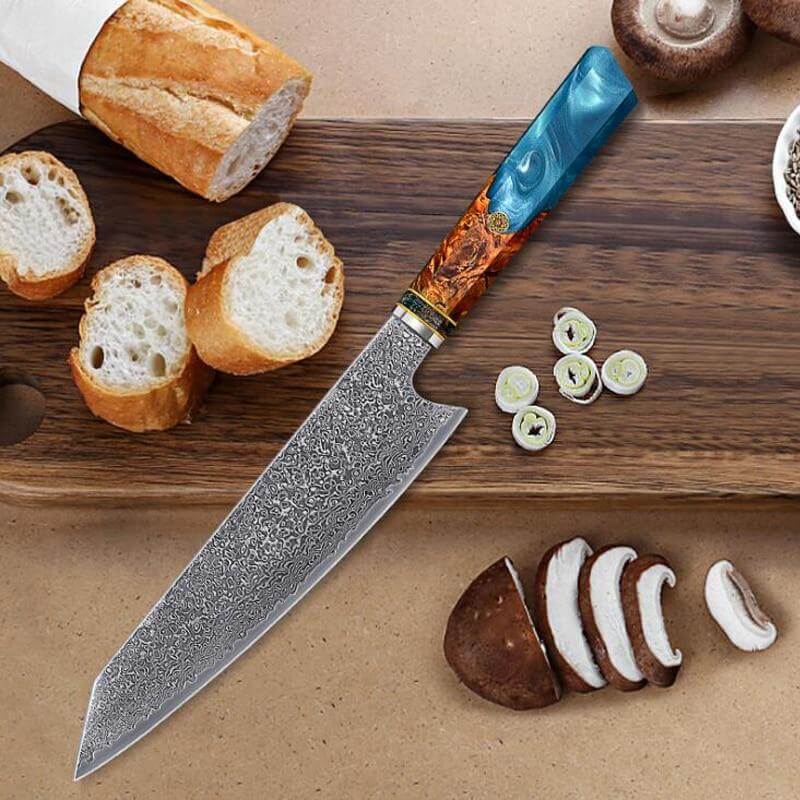
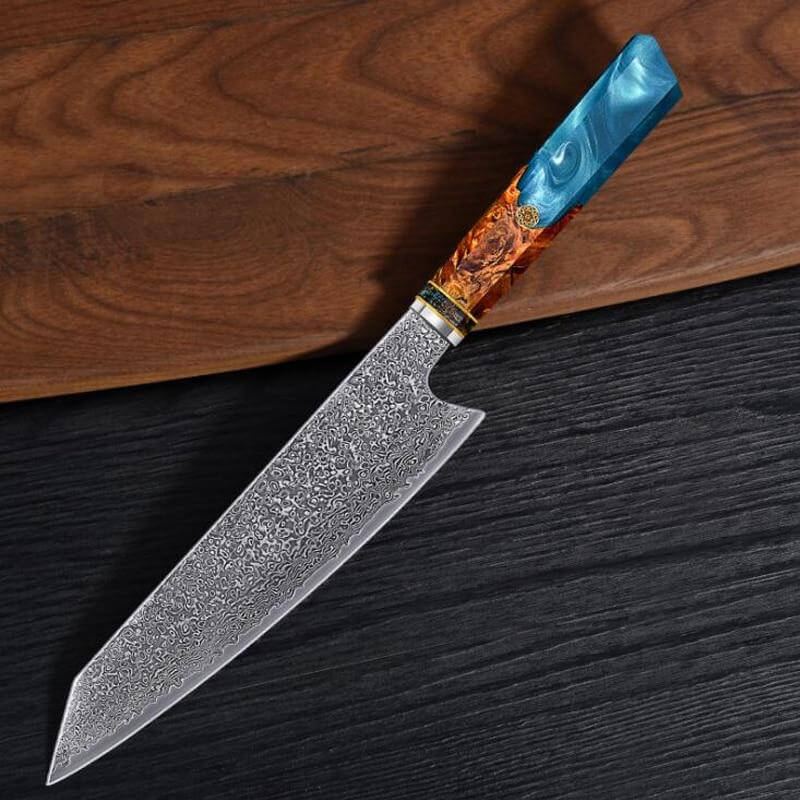

Kiritsuke Damascus Japanese Chef Knife
Regular price
$199.00
Sale price
$119.00
40% OFF -
You Saved $80.00
Interest-free payments with
Save 25%
Quick view

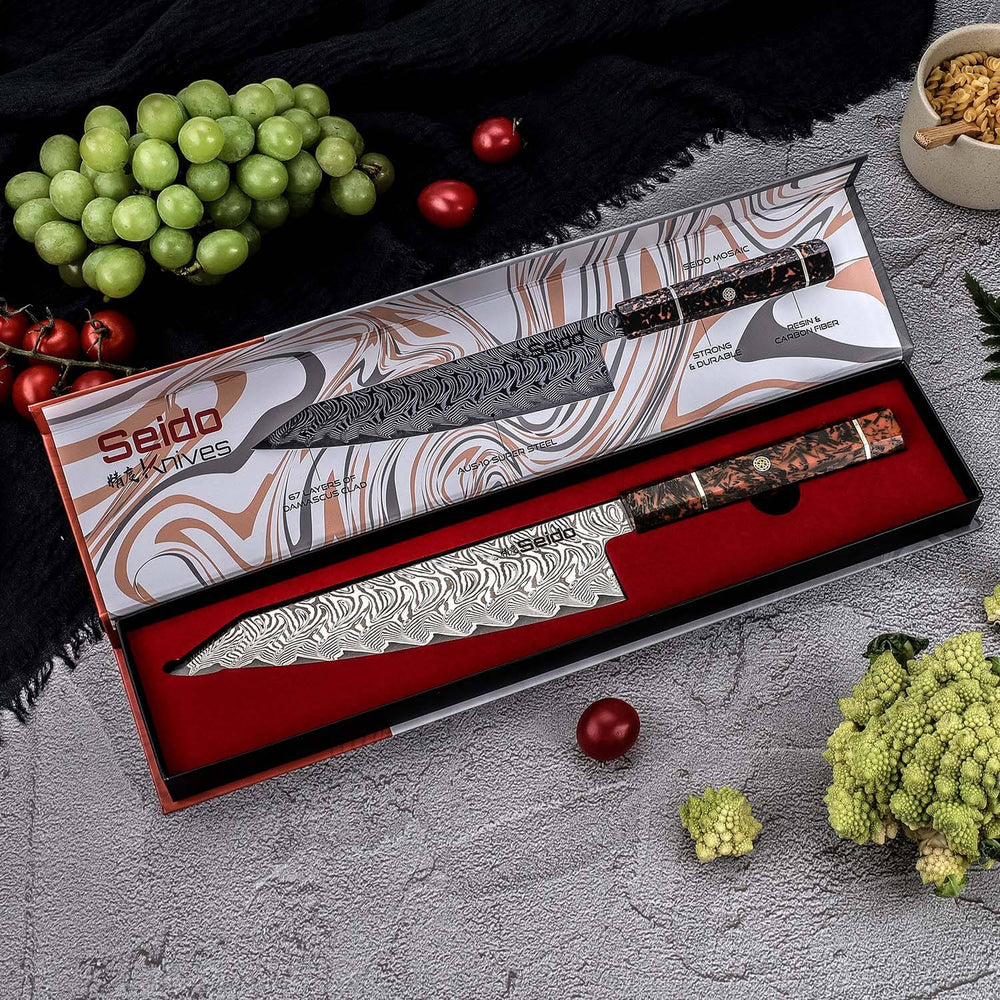

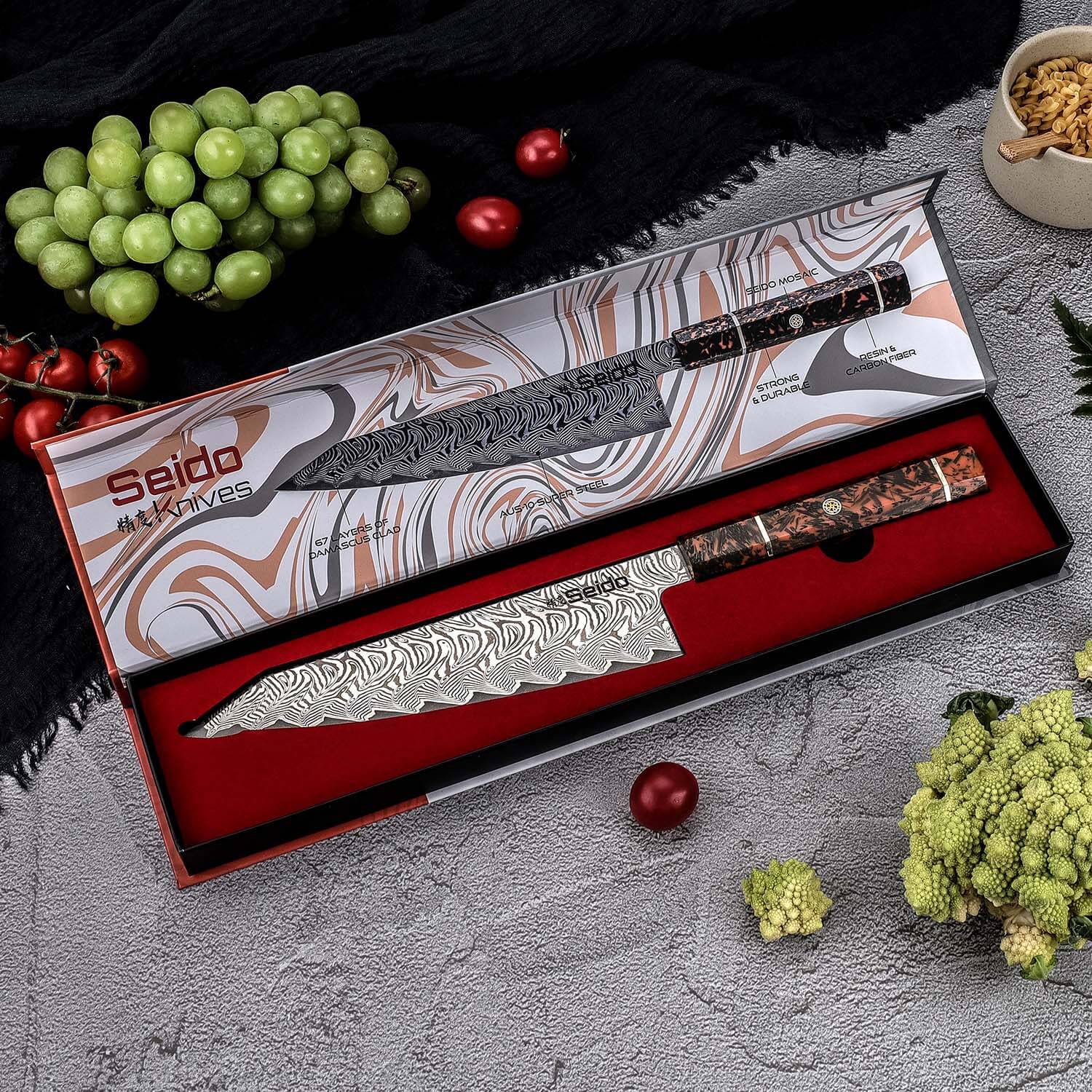
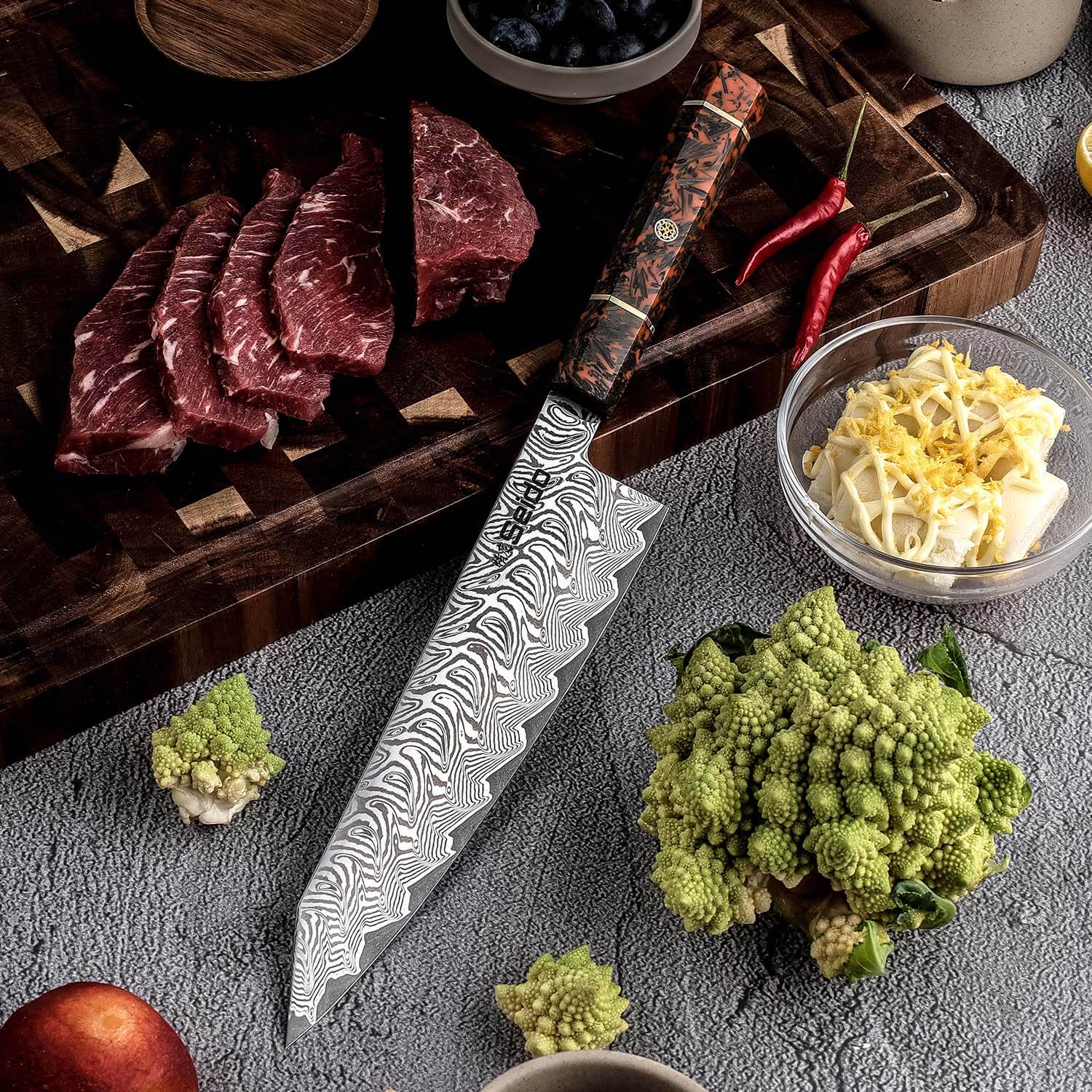
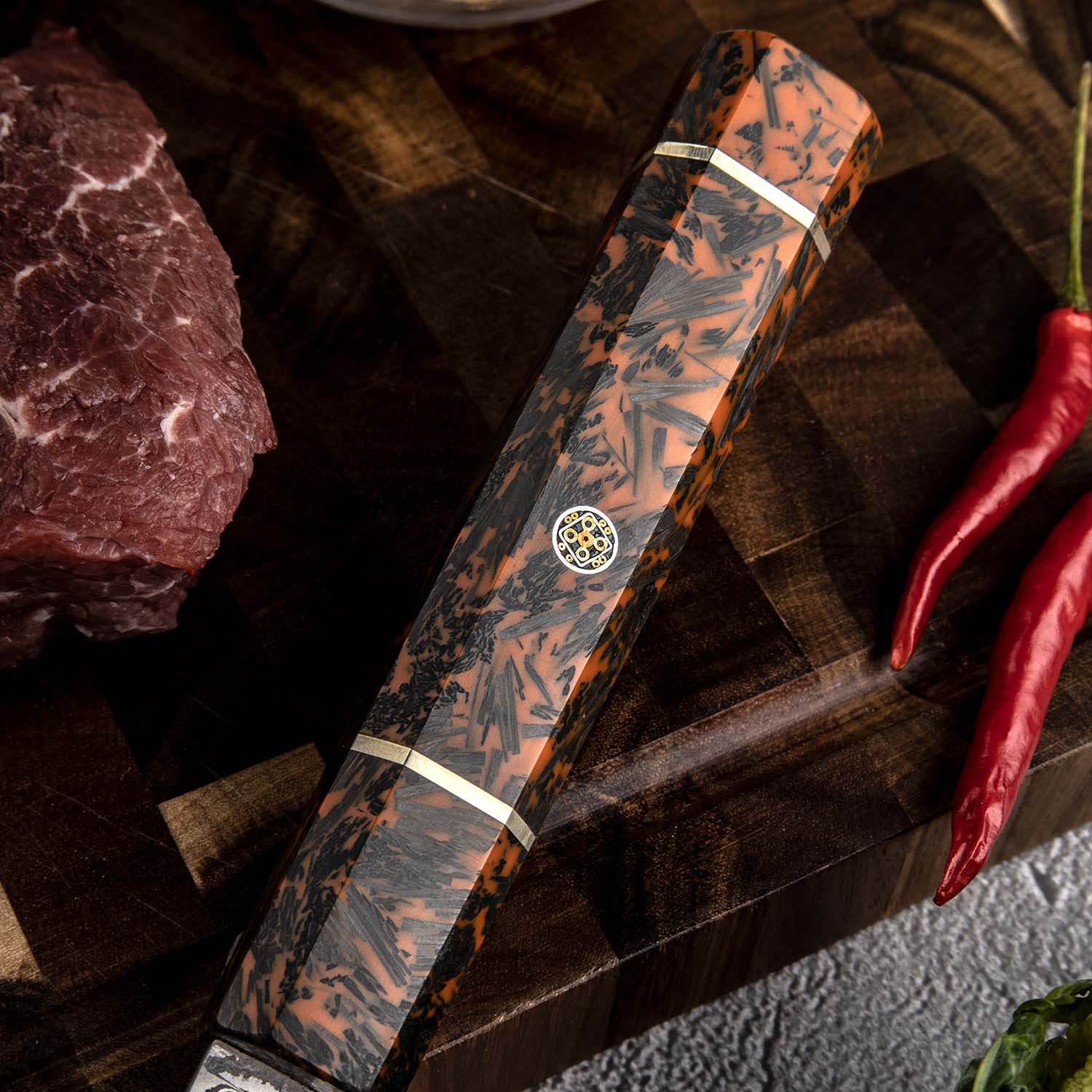
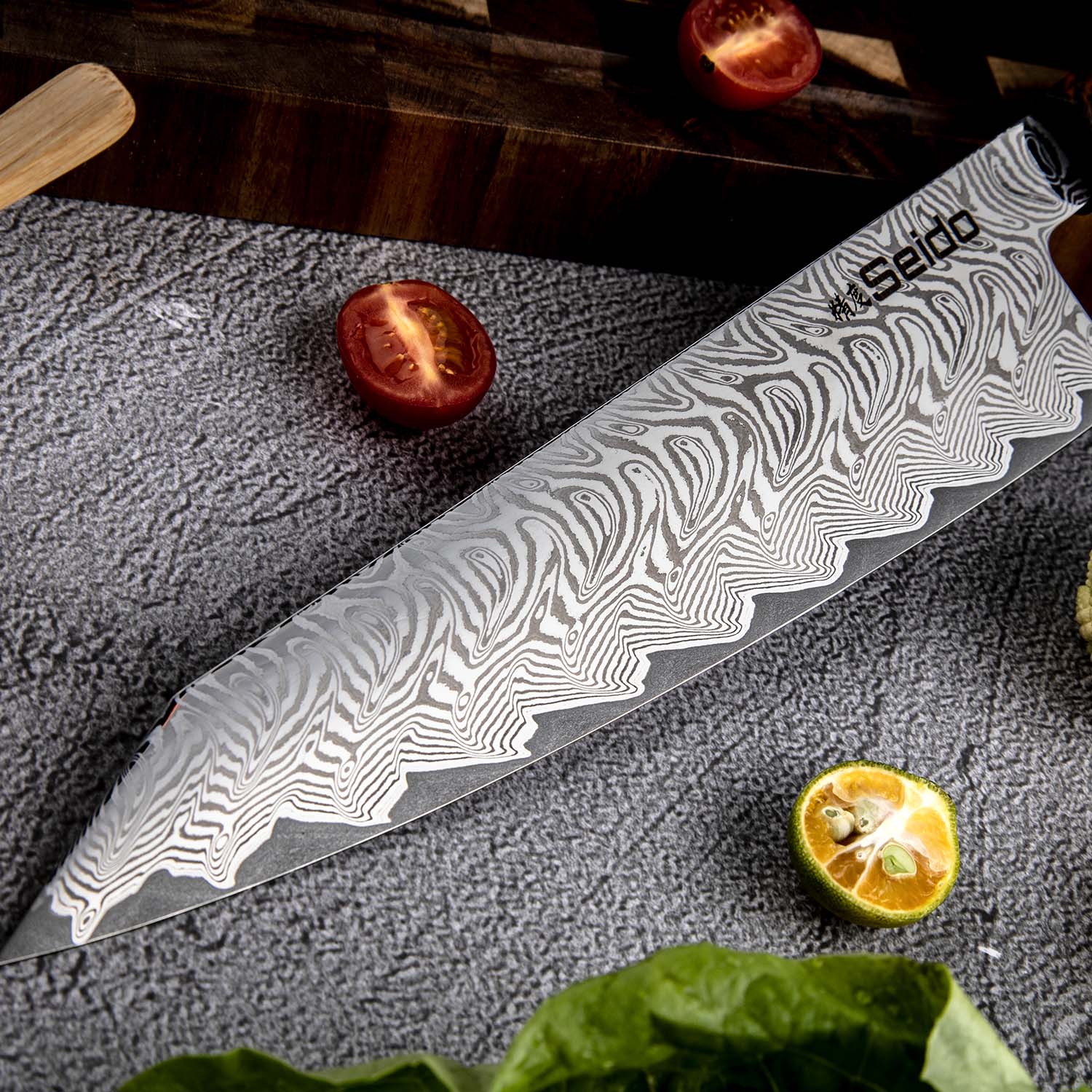
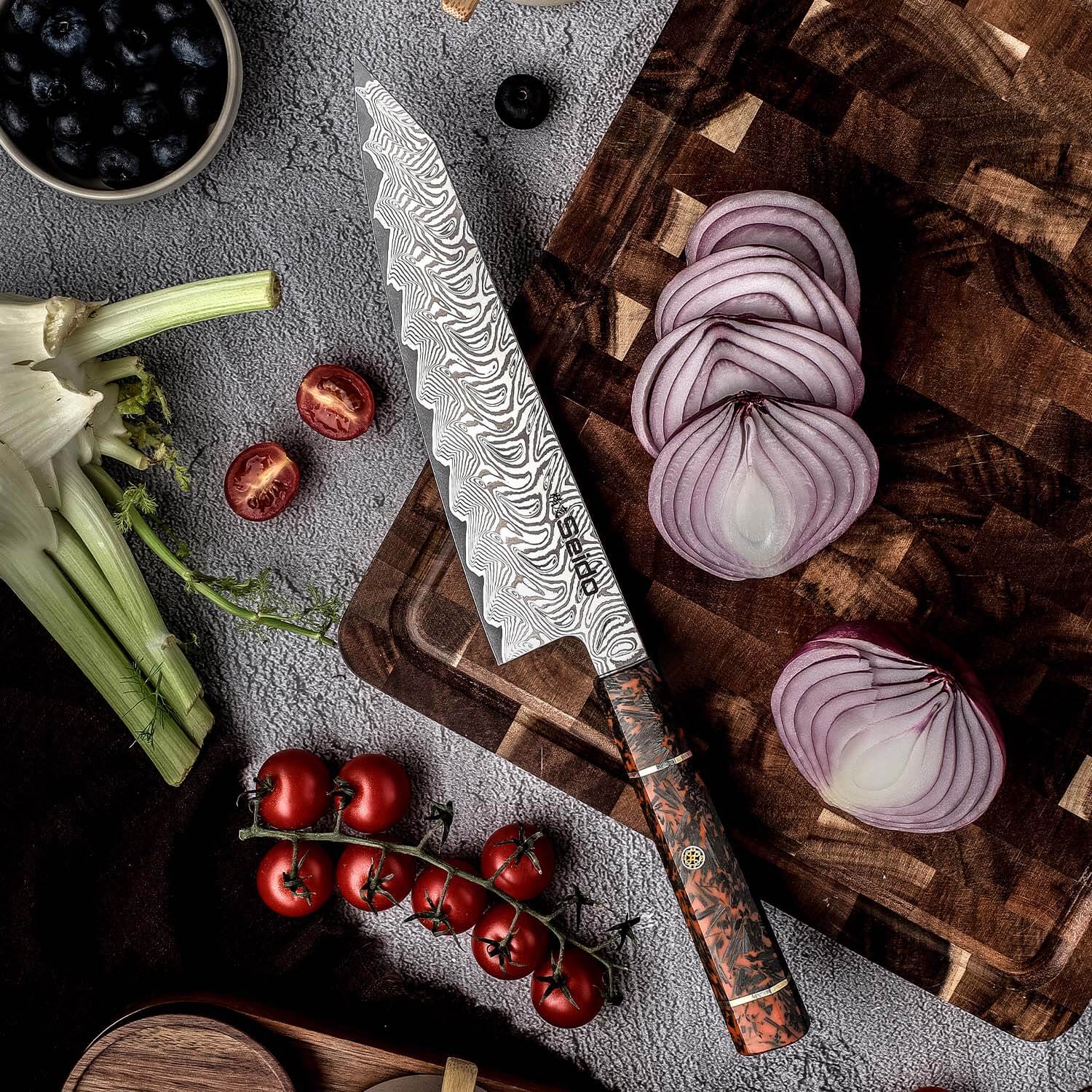
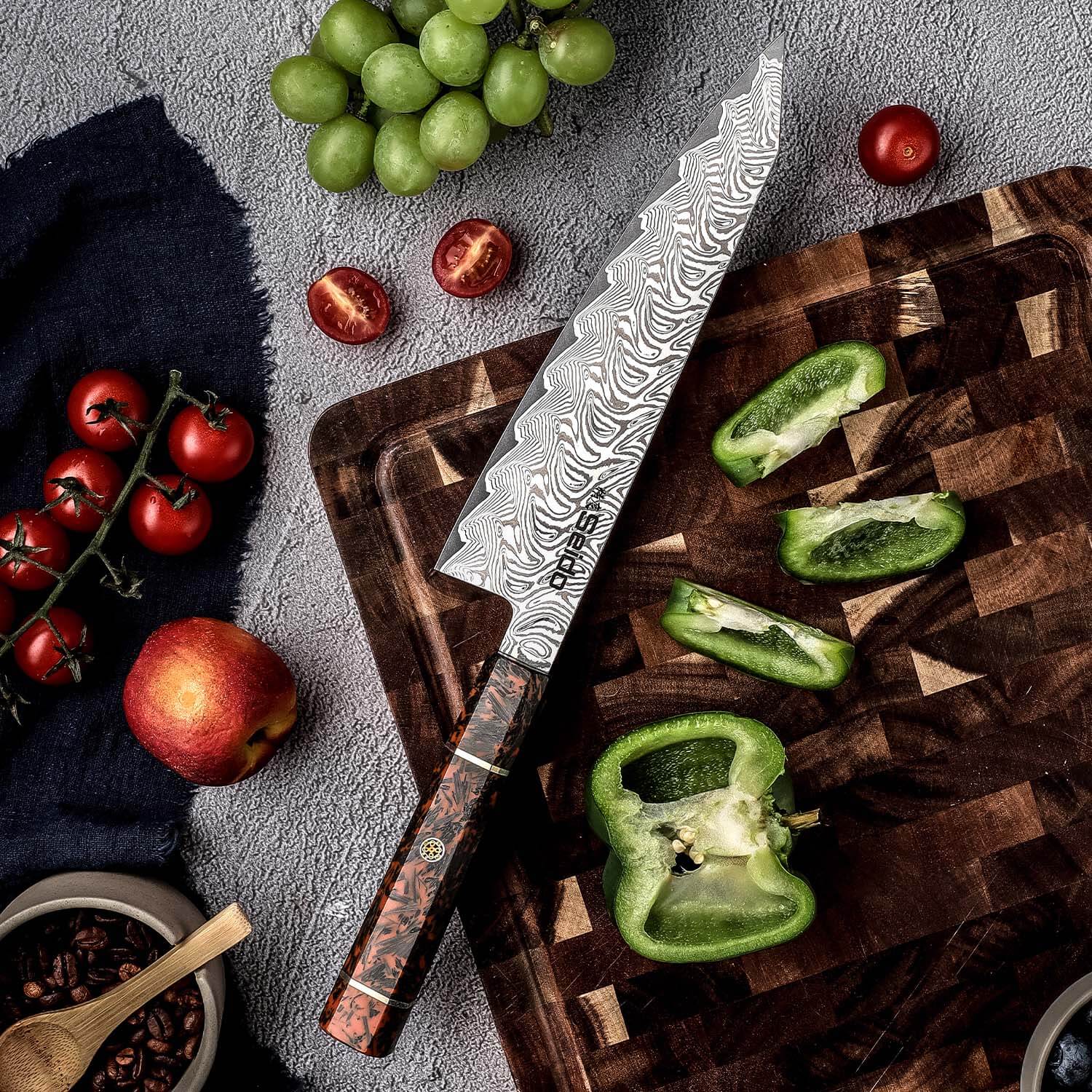
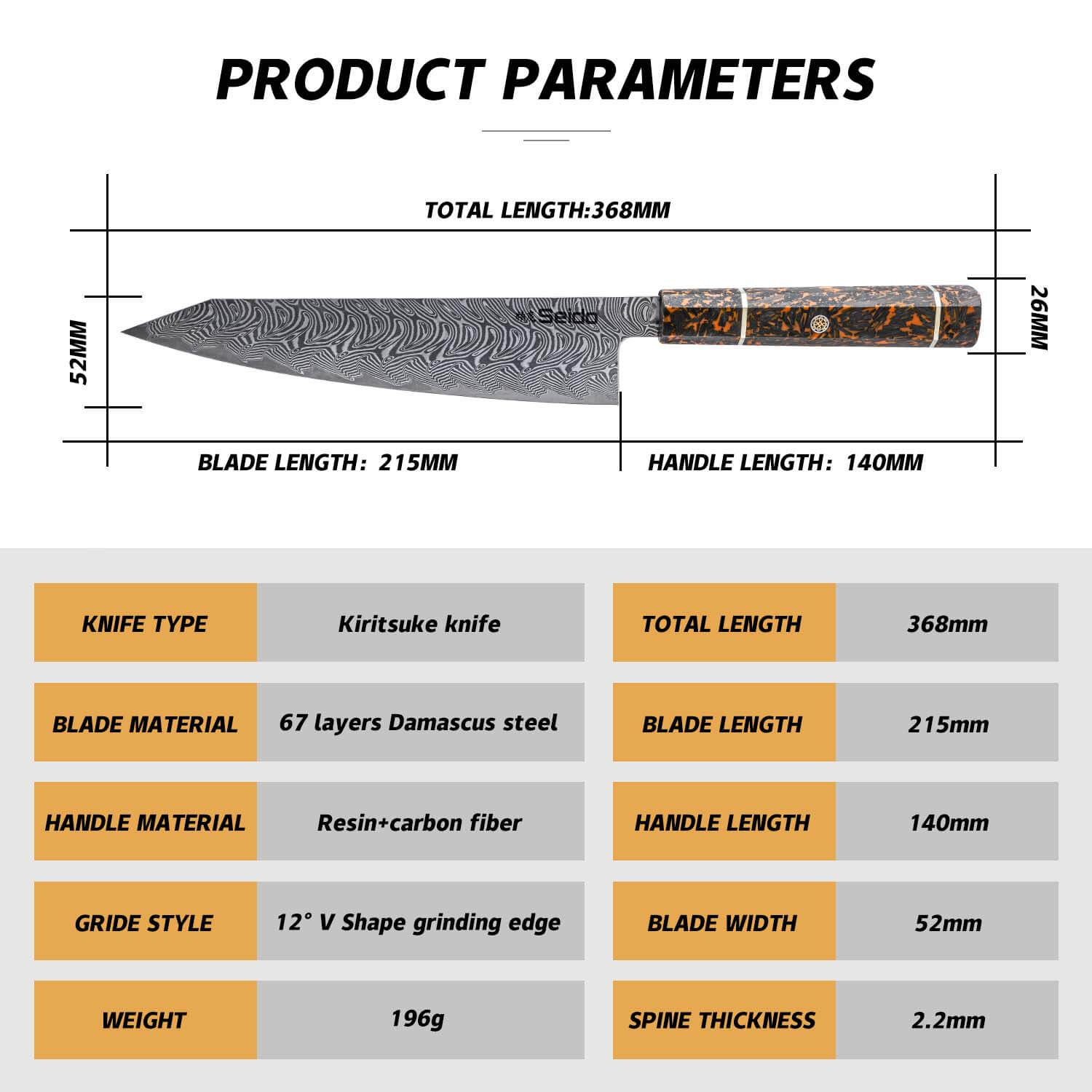
Epokishi AUS-10 Kiritsuke
Regular price
$199.00
Sale price
$149.00
25% OFF -
You Saved $50.00
Interest-free payments with
Save 33%
Quick view

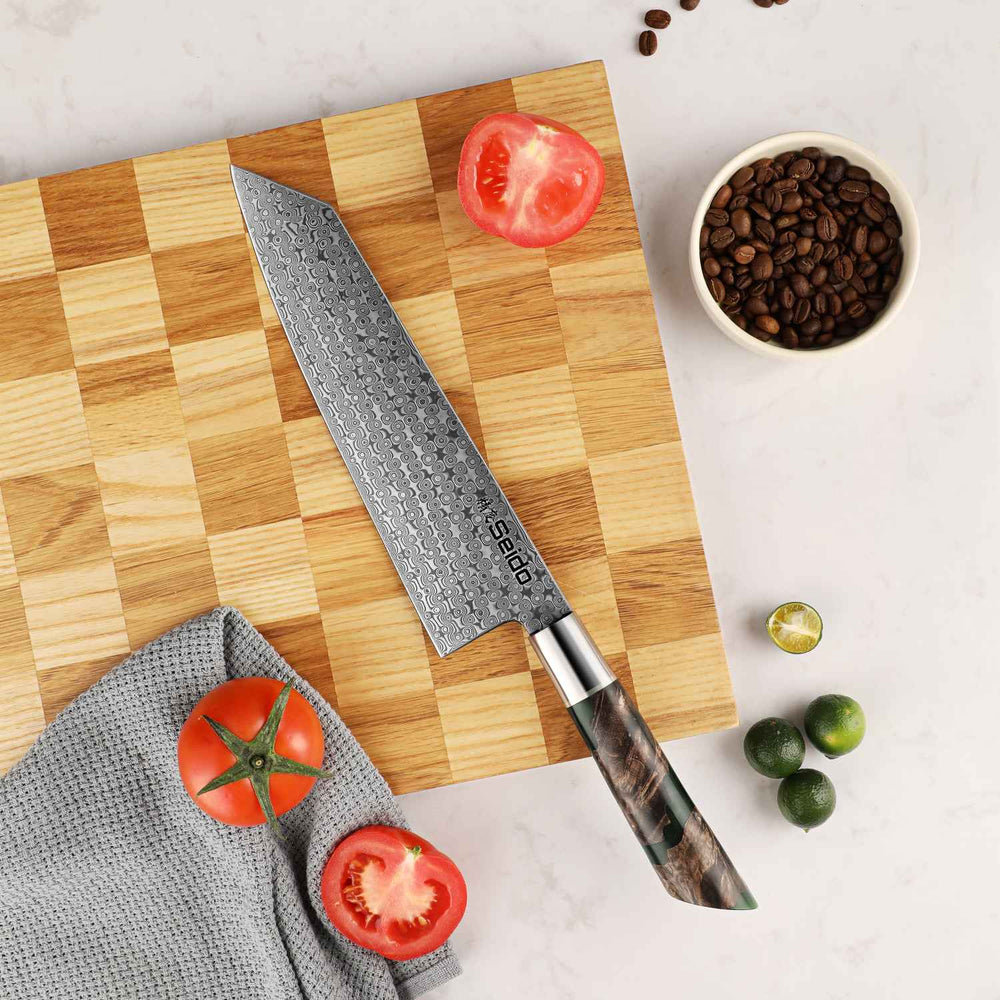

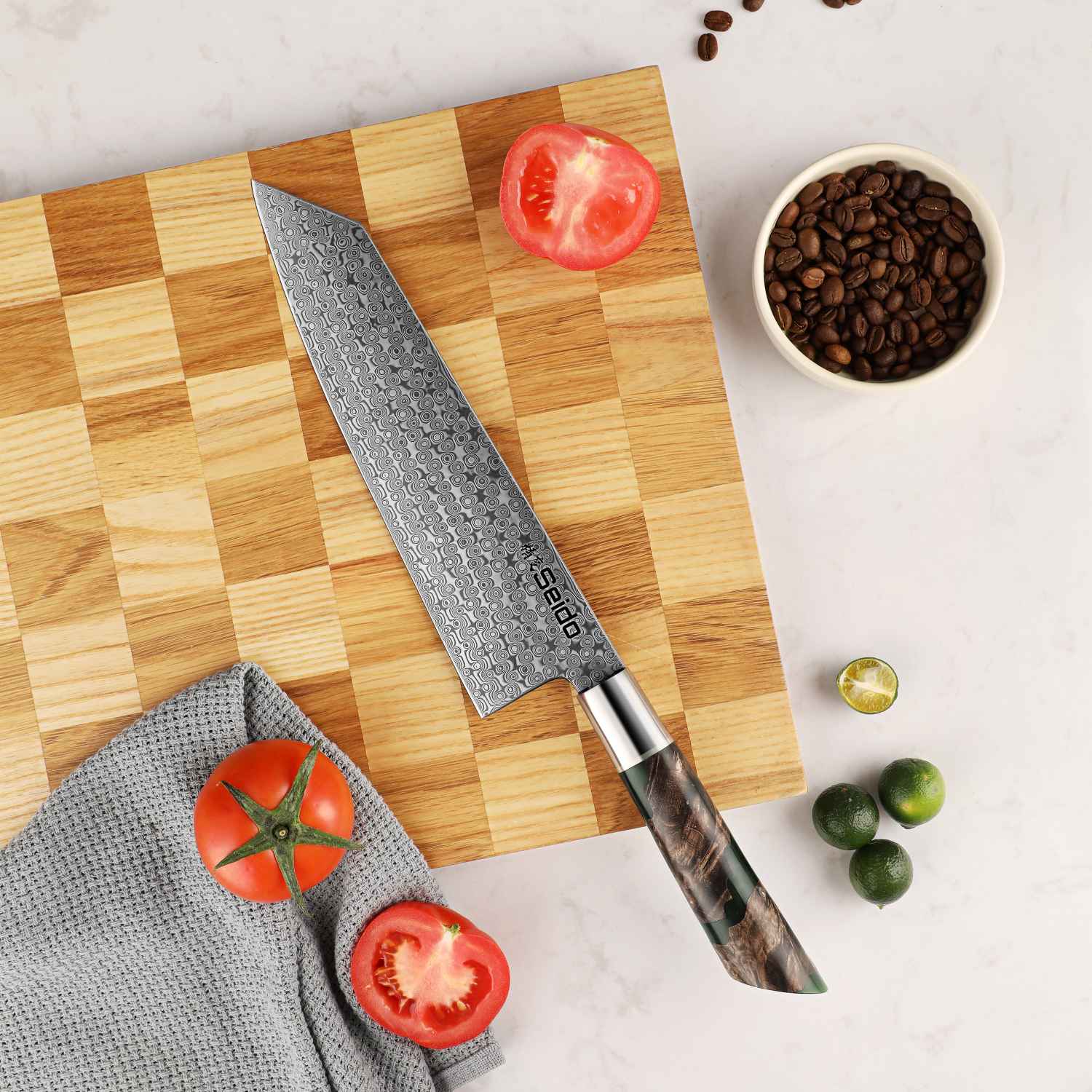
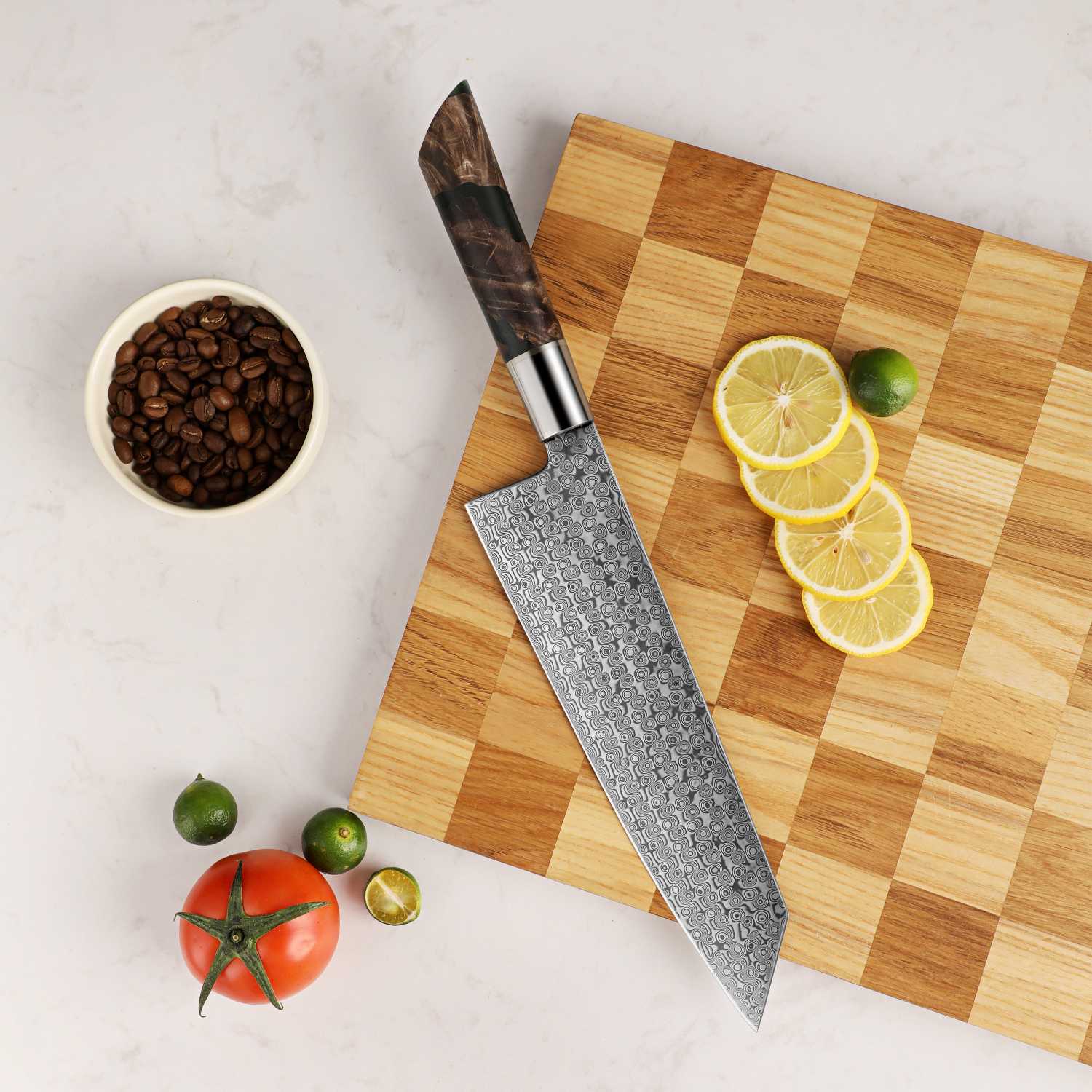
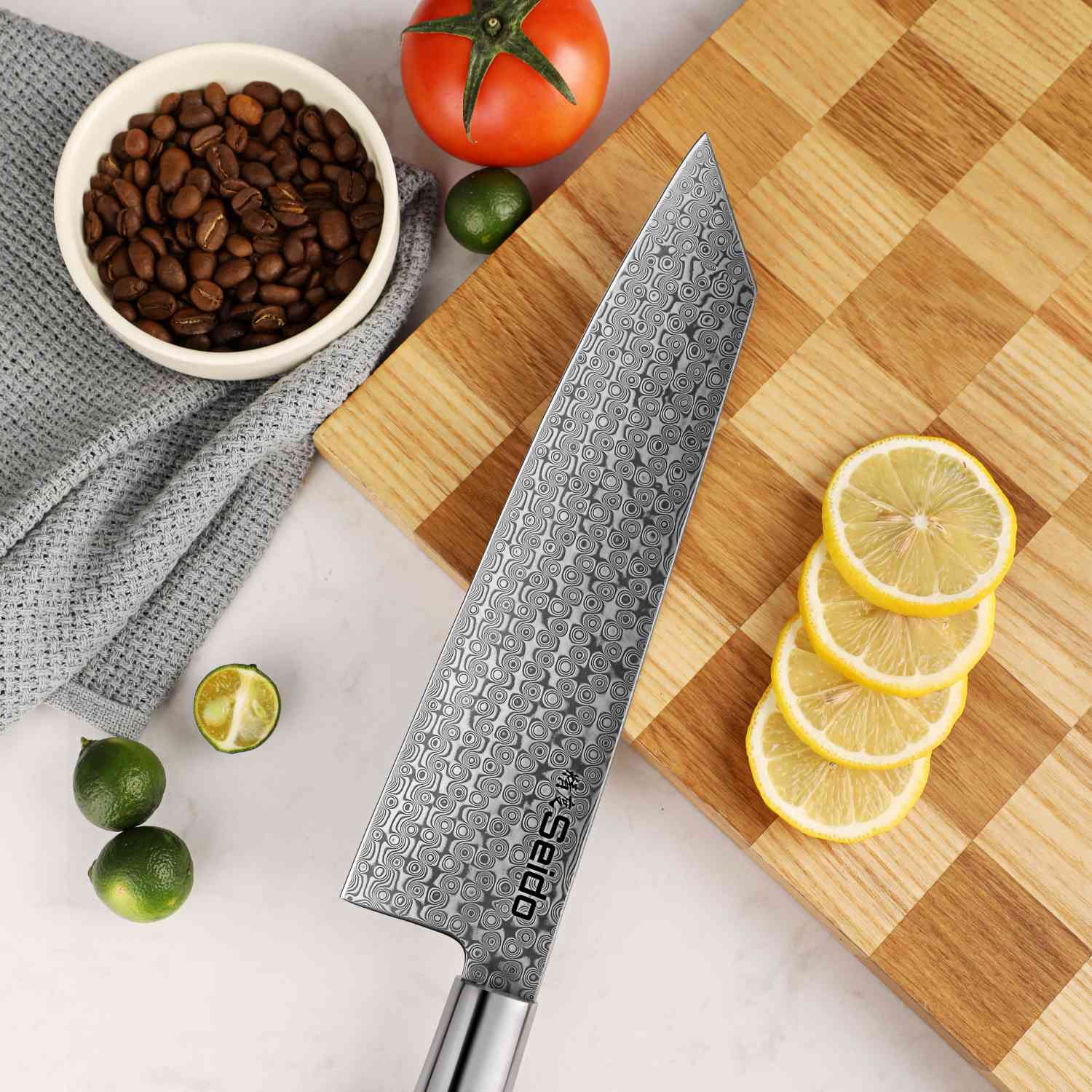
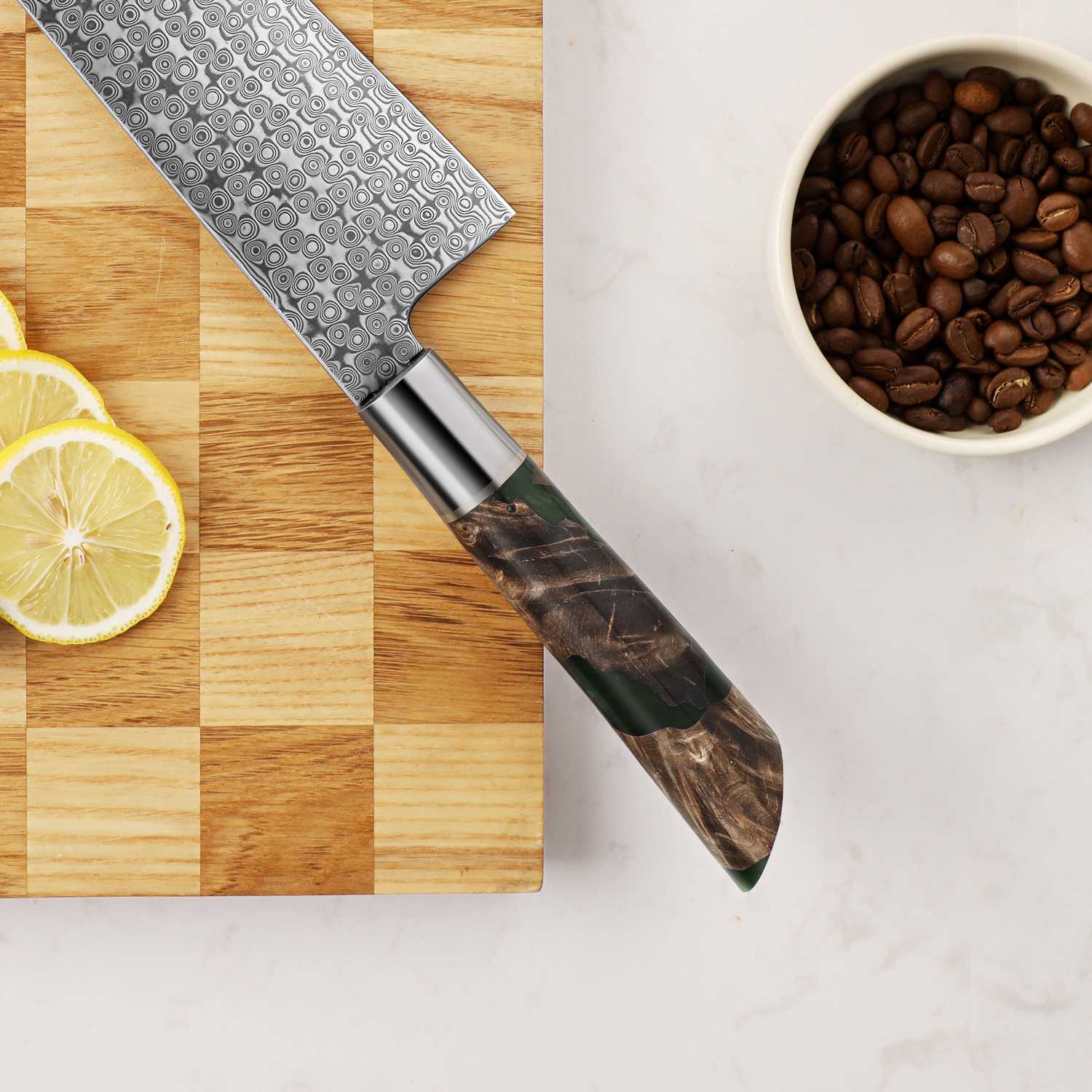
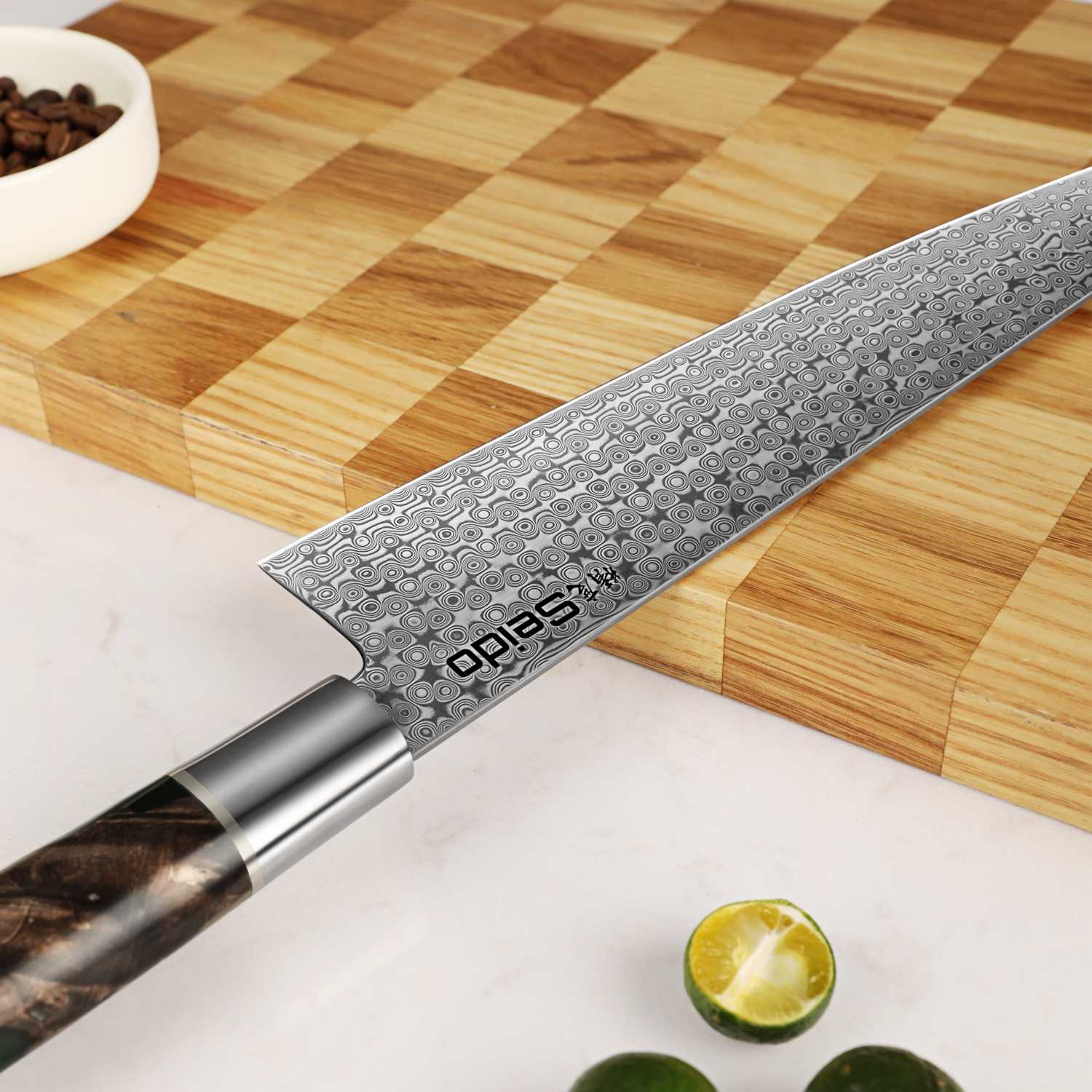
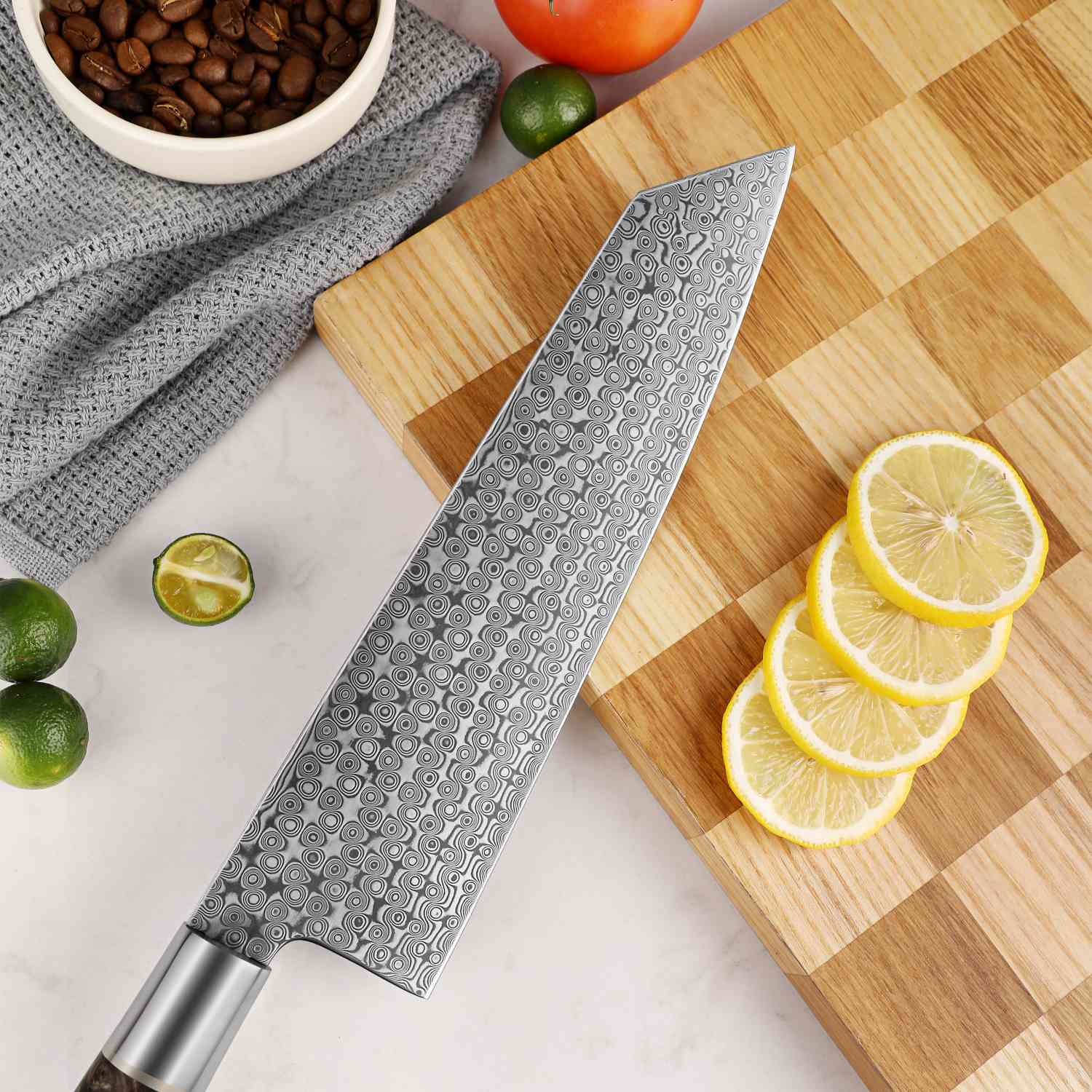
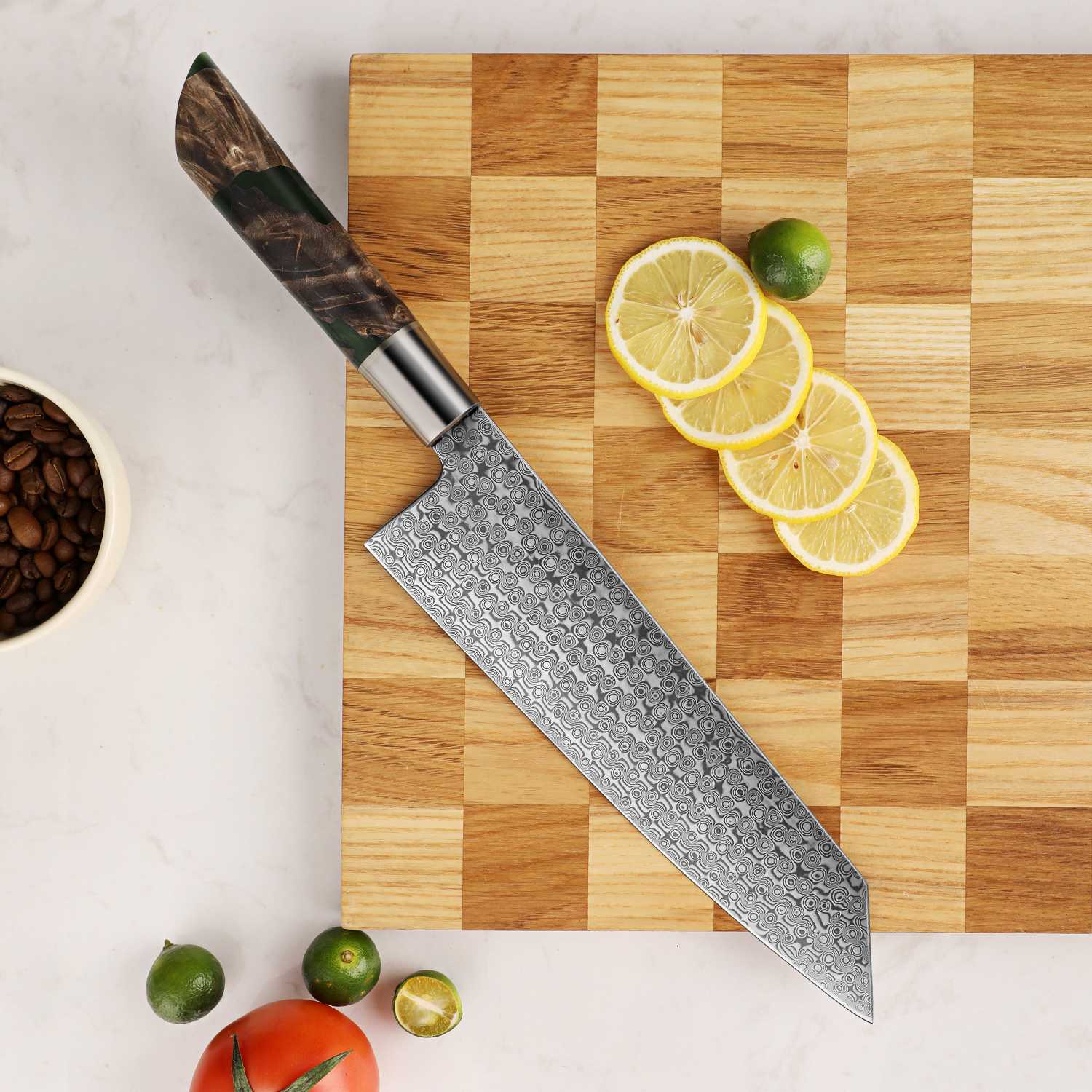
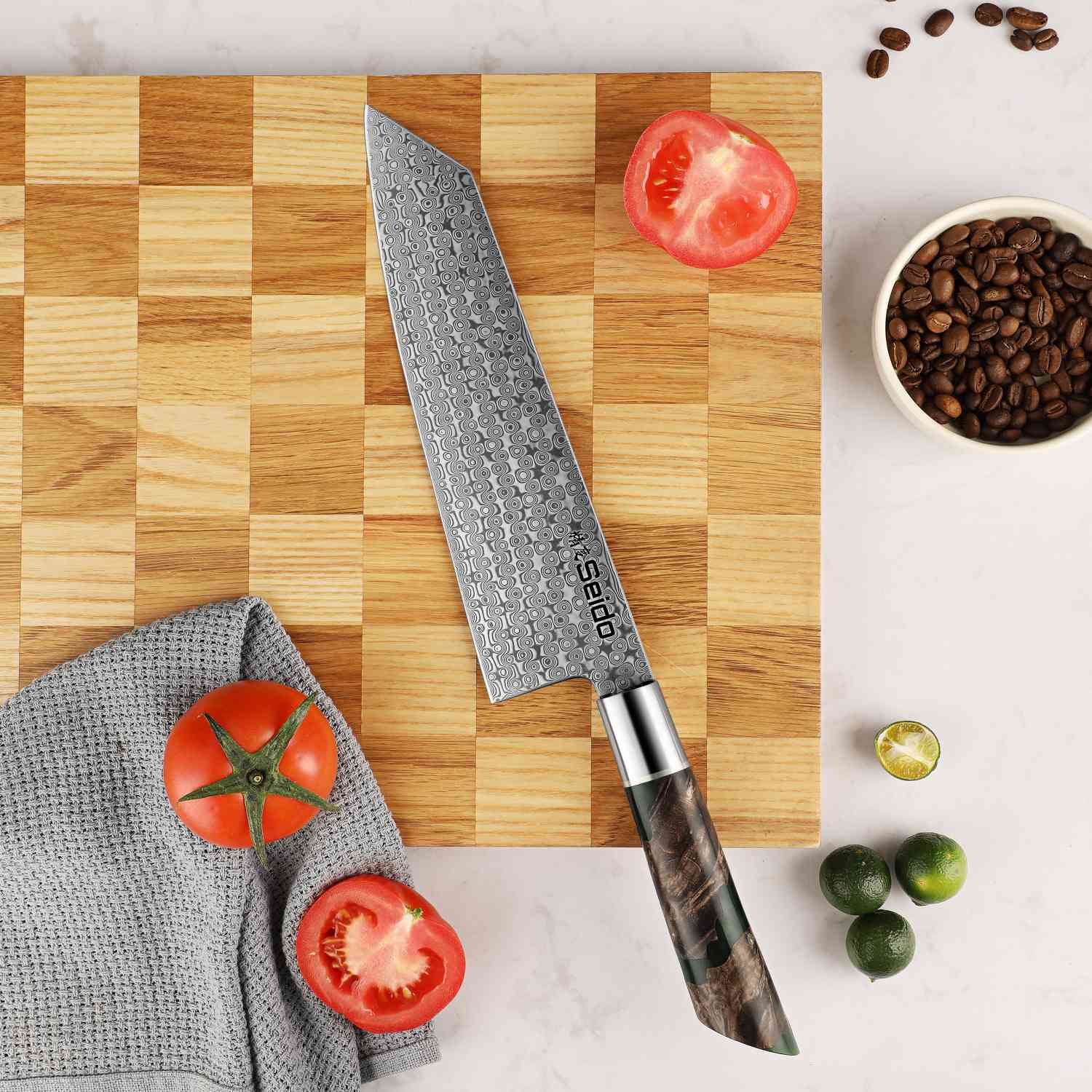
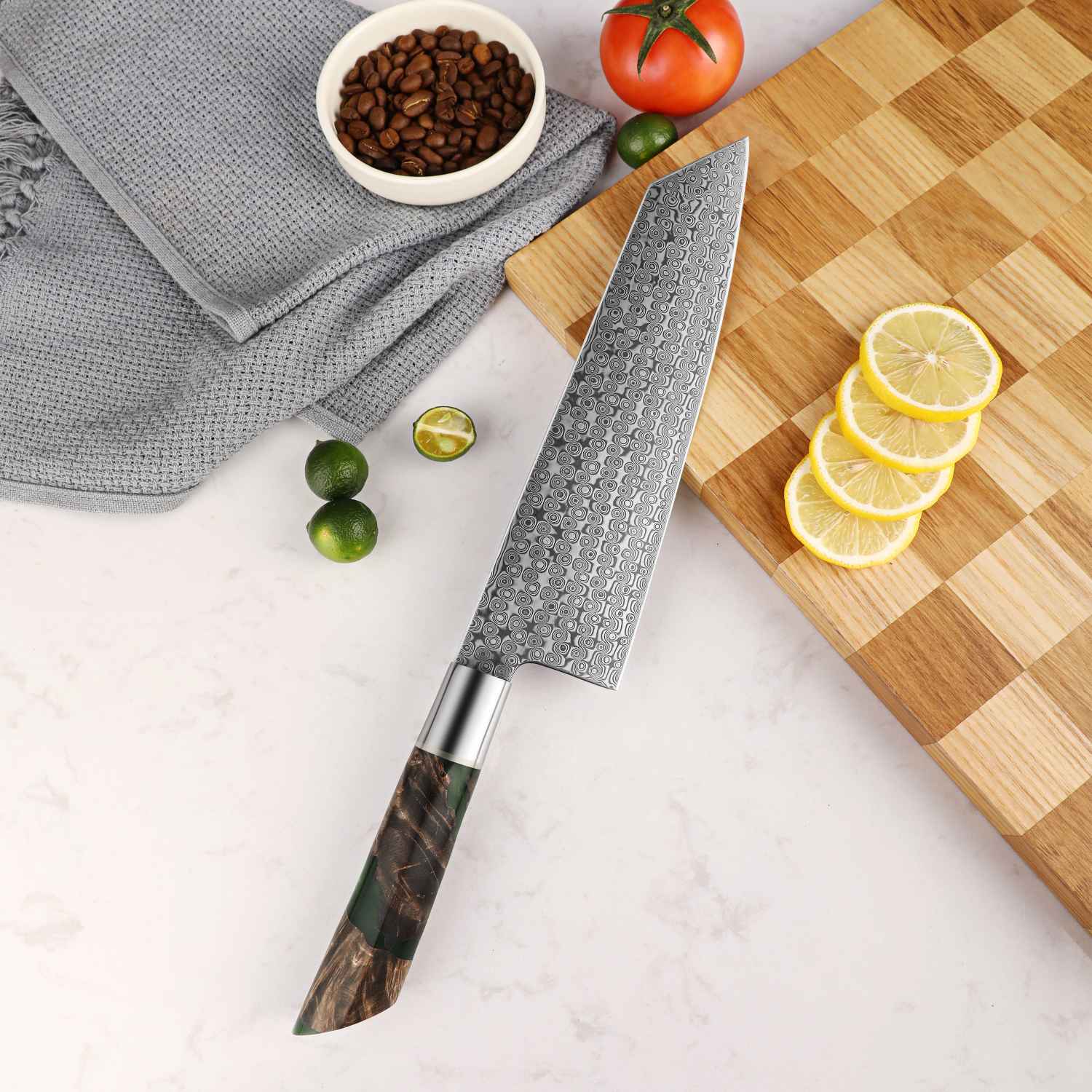
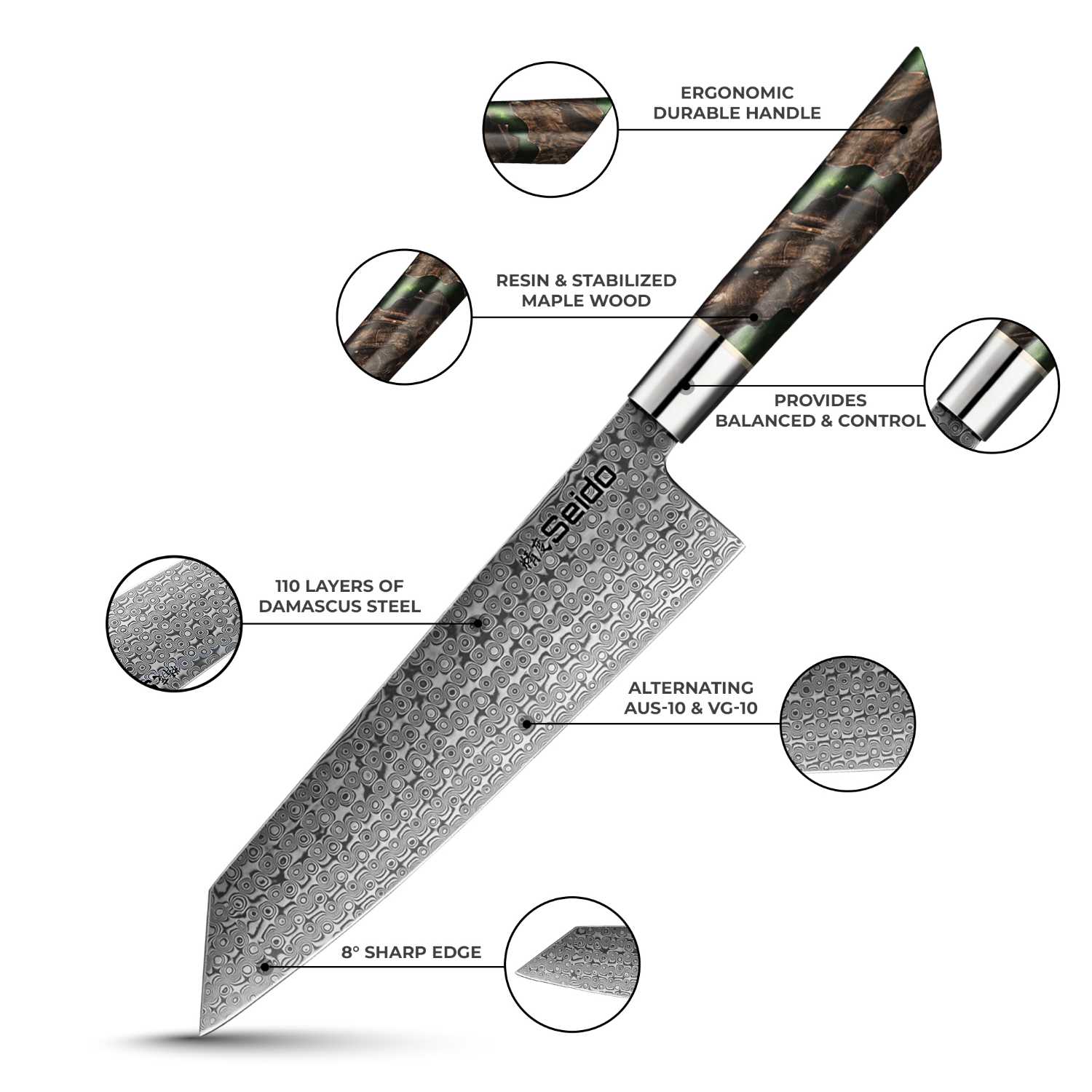
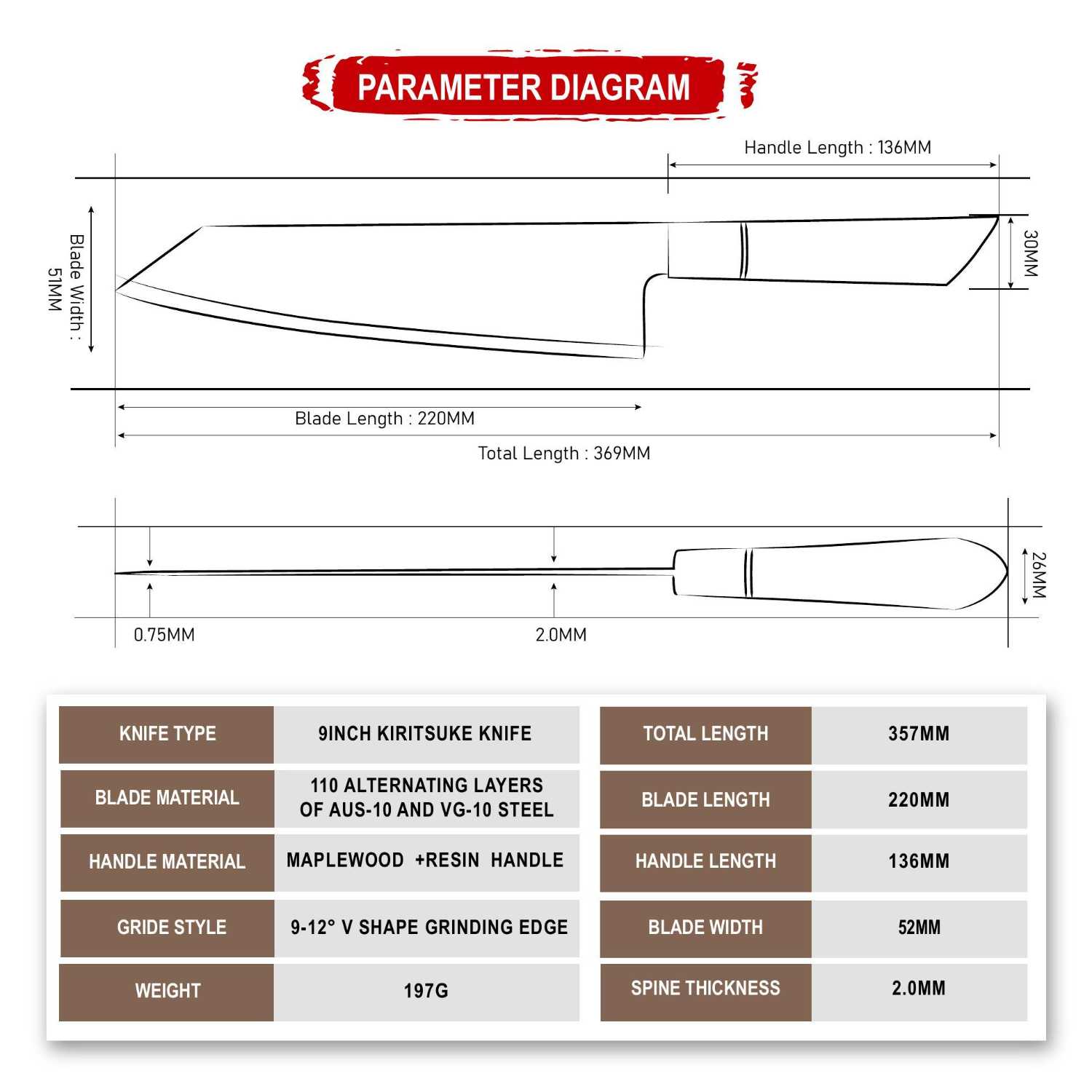
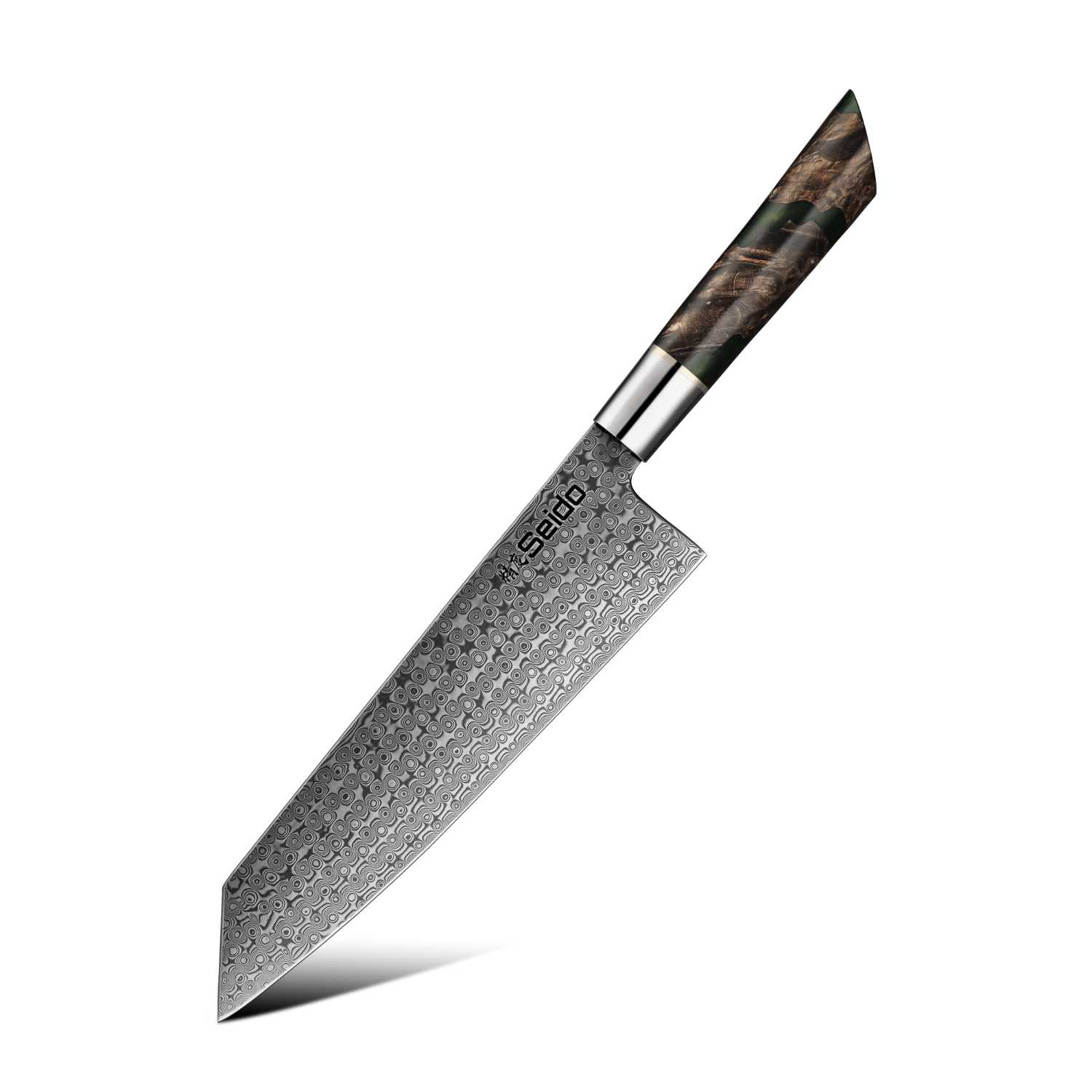
Shinko 8.5" Kiritsuke 110 Layers
Regular price
$299.00
Sale price
$199.00
33% OFF -
You Saved $100.00
Interest-free payments with
What Is a Kiritsuke Knife?
The Kiritsuke knife is a hybrid of the gyuto and yanagiba—flat-edged, long, and crowned with a sharp k-tip. Designed for push-cutting, slicing, and intricate prep, it’s a symbol of precision and mastery in Japanese kitchens. Ideal for chefs who value control and presentation.

VG-10 vs AUS-10 Damascus
- VG-10 Damascus Kiritsuke – Ultra-sharp edge retention and a dramatic layered pattern; built for professional precision.
- AUS-10 Damascus Kiritsuke – Tough, corrosion-resistant, and easy to maintain—excellent for daily prep.
Both steels embody the beauty and performance of a true Japanese Kiritsuke chef knife, each layered to perfection with distinct Damascus grain.
| Steel | Strengths | Best For |
|---|---|---|
| VG-10 | Higher hardness, keen edge, long retention | Precision slicing, pro kitchens |
| AUS-10 | Toughness, corrosion resistance, easy upkeep | All-day prep, home & pro use |

Why Choose a Kiritsuke?
- Flat edge for smooth, efficient push-cuts and straight slices
- Fine k-tip for intricate work and precision plating
- Balanced weight and ergonomic control for professional comfort
- Distinct Damascus aesthetic that defines premium Japanese knives

Handles & Balance
Each Kiritsuke knife is balanced for seamless control. Choose between resin–wood executive handles and classic hardwoods, each crafted for stability, grip, and enduring beauty. Every piece in this collection blends performance and artistry.

Explore Our Japanese Kiritsuke Knives
Browse the complete range of VG-10 and AUS-10 Damascus Kiritsuke knives by Seido Knives. Each blade combines precision, balance, and authentic Japanese craftsmanship.

Understanding Kiritsuke Knives
Kiritsuke knives are a distinctive type of traditional Japanese knives that blend the features of two classic blades: the yanagiba and the usuba. This hybrid design gives the kiritsuke its characteristic straight edge and sharp pointed tip, often referred to as an angled tip or k-tip. Traditionally, kiritsuke knives have a single bevel edge, meaning they are sharpened on one side only, which allows for extremely precise cutting and razor sharp edges ideal for slicing sashimi and other delicate tasks.
The blade length of a kiritsuke typically ranges between 240mm to 330mm, making it versatile for slicing fish, cutting vegetables, and dicing meat. The blade height is usually taller than a yanagiba, enabling detailed work such as thin slices and fine chopping. The kiritsuke is considered a master chef's knife in Japanese cuisine, historically reserved for executive chefs or head chefs in professional kitchens due to its demanding learning curve and specialized use.

Modern kiritsuke knives also come in double bevel variants, which offer greater versatility and ease of use for home cooks and professional chefs alike. These double bevel kiritsuke knives maintain the traditional straight edge and sharp point but are sharpened on both sides, making them more user-friendly without sacrificing precision.
Kiritsuke Knife Uses and Versatility
The kiritsuke knife is celebrated for its remarkable versatility, making it a prized tool in both professional and home kitchens. Thanks to its hybrid design—combining the slicing prowess of the yanagiba with the vegetable-cutting capabilities of the usuba—it excels at a wide range of precision tasks.
Primarily, the kiritsuke is ideal for slicing raw fish with its long, sharp edge and pointed angled tip, allowing chefs to create thin, clean slices essential for sashimi and sushi. Its straight belly facilitates smooth push cutting, which helps maintain the integrity of delicate ingredients.
Beyond fish, the kiritsuke's broad blade and sharp edge make it perfect for cutting vegetables with precision. It can handle fine chopping, dicing, and even the traditional katsuramuki technique—thinly peeling vegetables into long sheets—thanks to its straight edge and blade height.
While traditionally a single bevel kiritsuke requires skill to master, the modern double bevel kiritsuke offers home cooks and professionals alike a more approachable option that maintains versatility without the steep learning curve. This version performs well for general kitchen tasks such as chopping, slicing, and pull cutting of various meats and produce.
The kiritsuke knives offer a unique blend of functionality that matches the needs of chefs who want a multi purpose kitchen knife capable of handling both delicate and robust cutting tasks with precision and ease.

Kiritsuke Knife Vs. Other Chef Knives
When comparing the kiritsuke knife to other popular chef knives, several key differences and advantages stand out. Unlike the widely used gyuto chef knife, which features a curved edge ideal for rocking cuts, the kiritsuke boasts a flat, straight edge that excels at push cutting and slicing with precision. This makes the kiritsuke particularly effective for tasks that demand clean, thin slices, such as slicing sashimi or julienning vegetables.
Another traditional Japanese knife often compared to the kiritsuke is the nakiri knife, which is primarily designed for chopping vegetables with its straight blade and squared-off tip. While the nakiri is specialized for vegetable prep, the kiritsuke combines the features of the nakiri and the yanagiba (a slicing knife for raw fish), making it a versatile multi-purpose knife suitable for both vegetables and fish.
The main difference between single bevel kiritsuke knives and double bevel chef knives lies in the blade edge geometry. Single bevel knives have one side ground flat and the other angled, allowing for razor sharp edges and precise cuts but requiring more skill and maintenance. Double bevel knives, including many western-style chef knives, are sharpened on both sides, offering easier handling and versatility for home cooks.
Additionally, the kiritsuke’s distinctive angled tip (often called a k-tip or reverse tanto tip) provides enhanced control for detailed work compared to the rounded or pointed tips on other chef knives. This unique design element is both functional and aesthetic, symbolizing the status of the master chef in traditional Japanese kitchens.
The kiritsuke knife stands out among the best knives for chefs who value precision, versatility, and traditional craftsmanship. Its hybrid design bridges the gap between specialized single-purpose knives and all-purpose chef knives, making it a prized tool in both professional and home kitchens.

This section doesn’t currently include any content. Add content to this section using the sidebar.