
3 products
Save 25%
Quick view
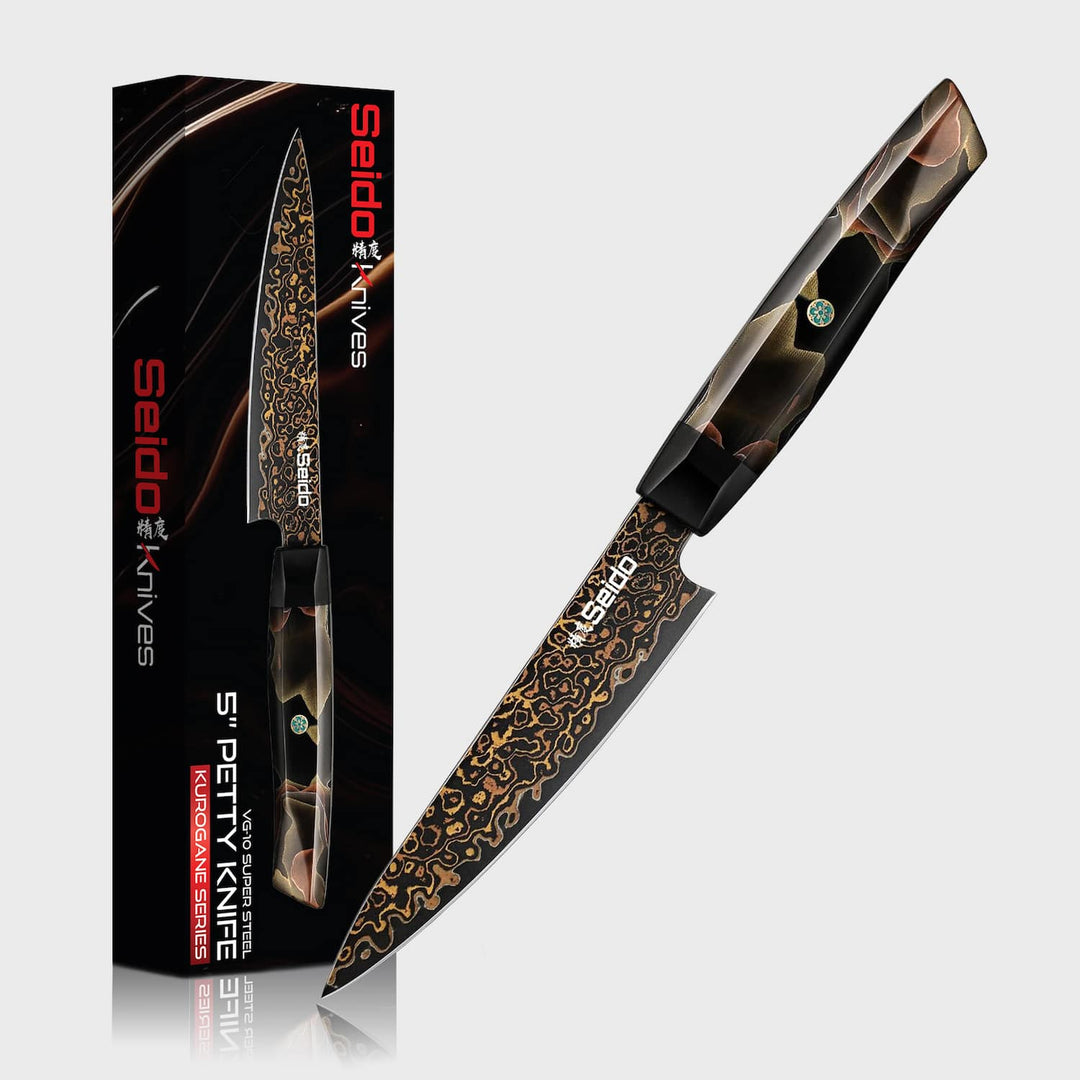
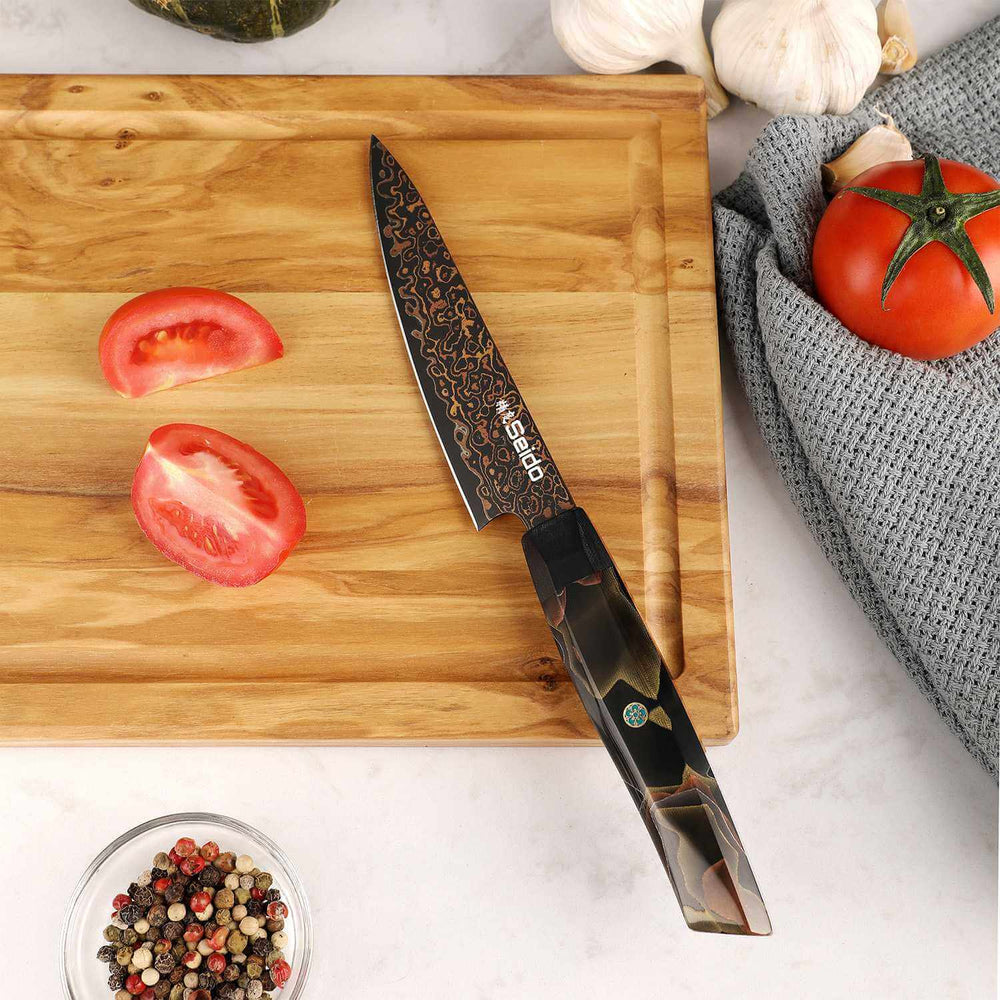
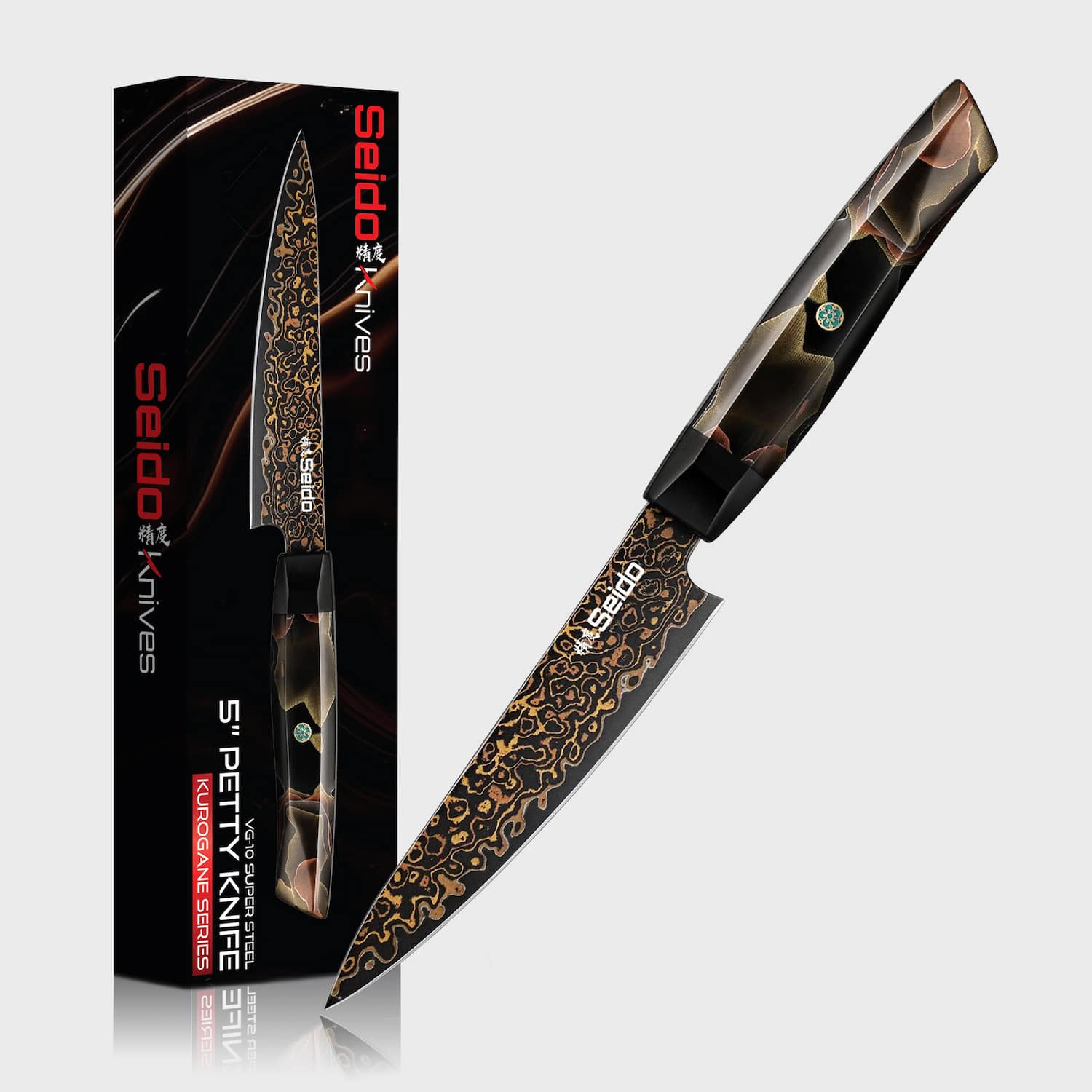
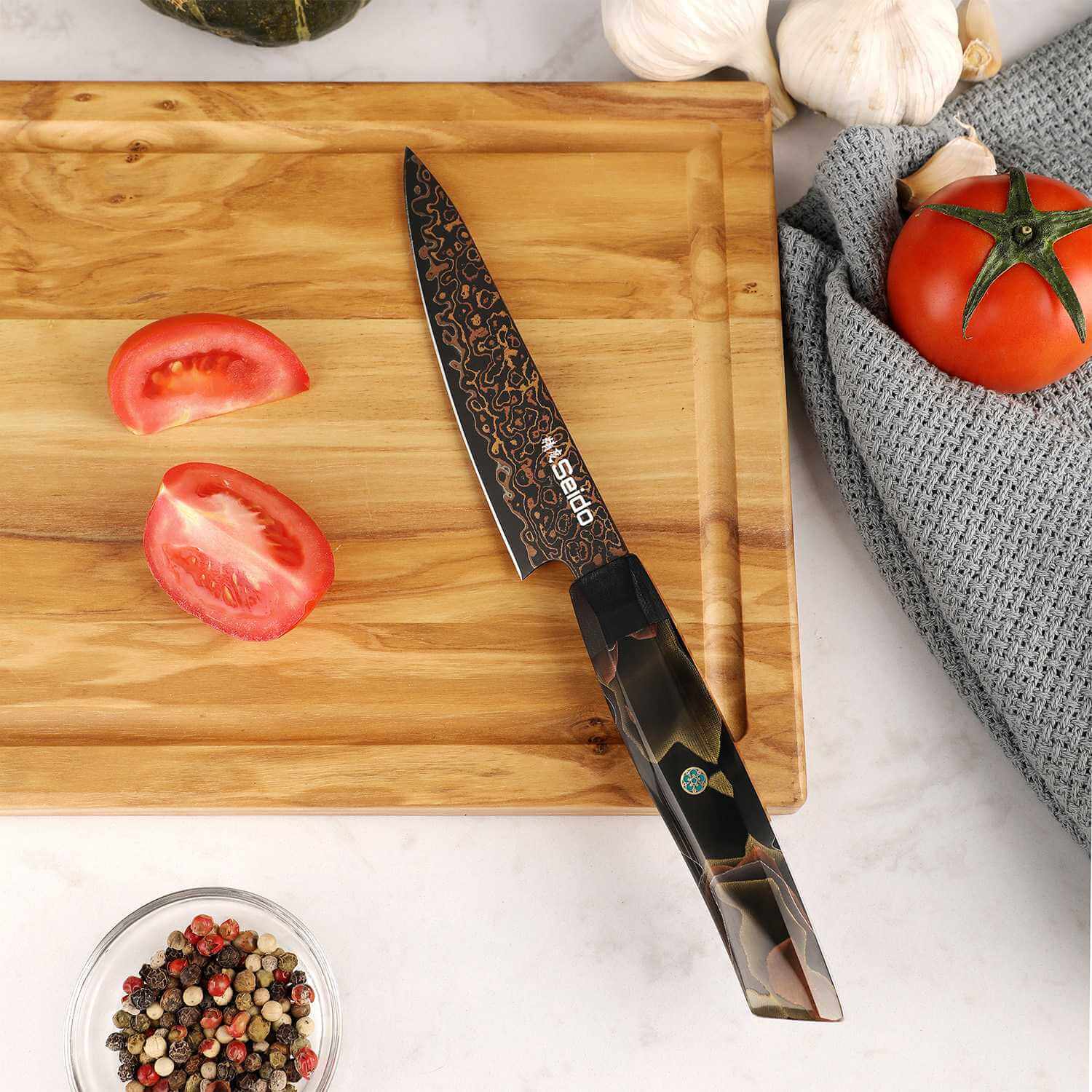
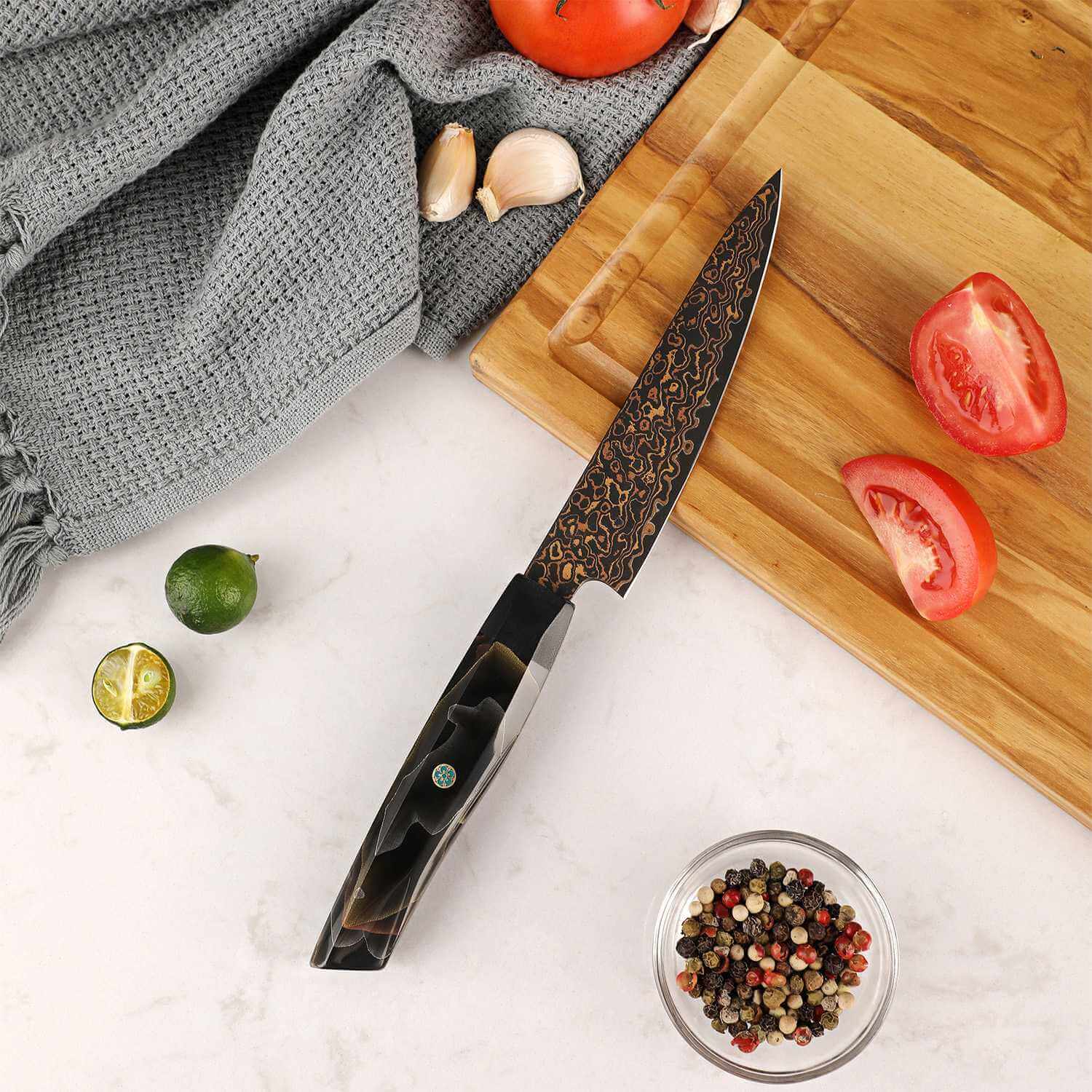
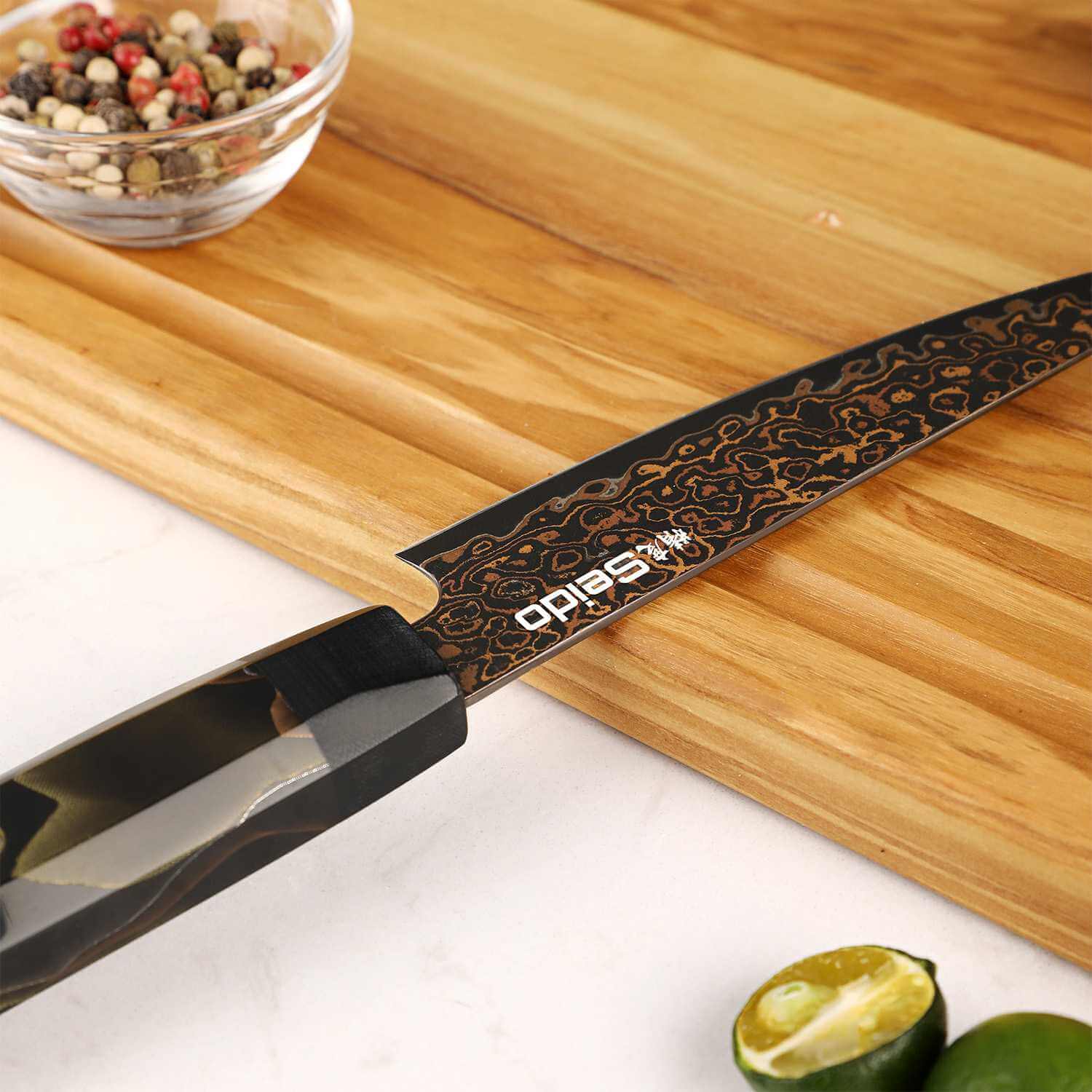
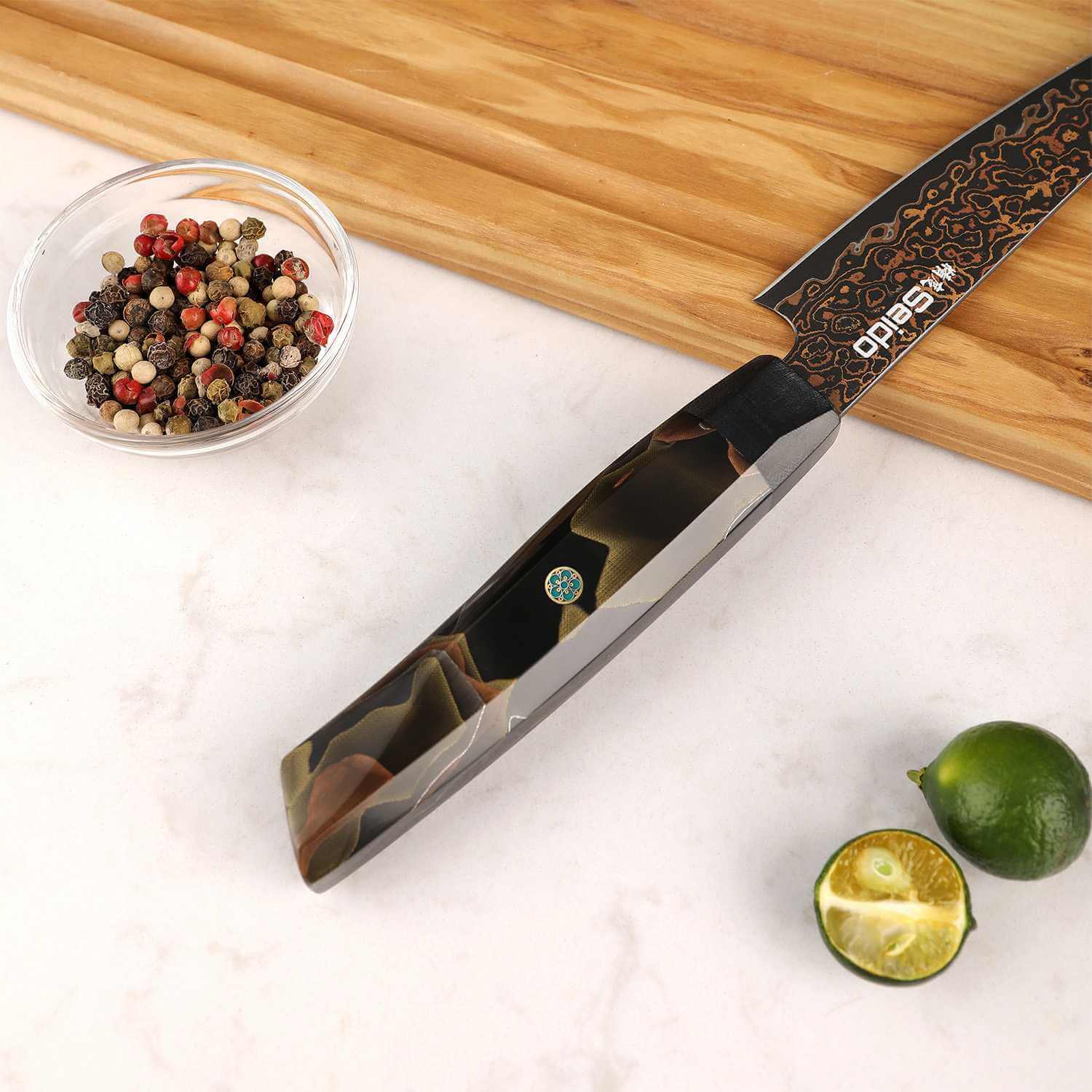
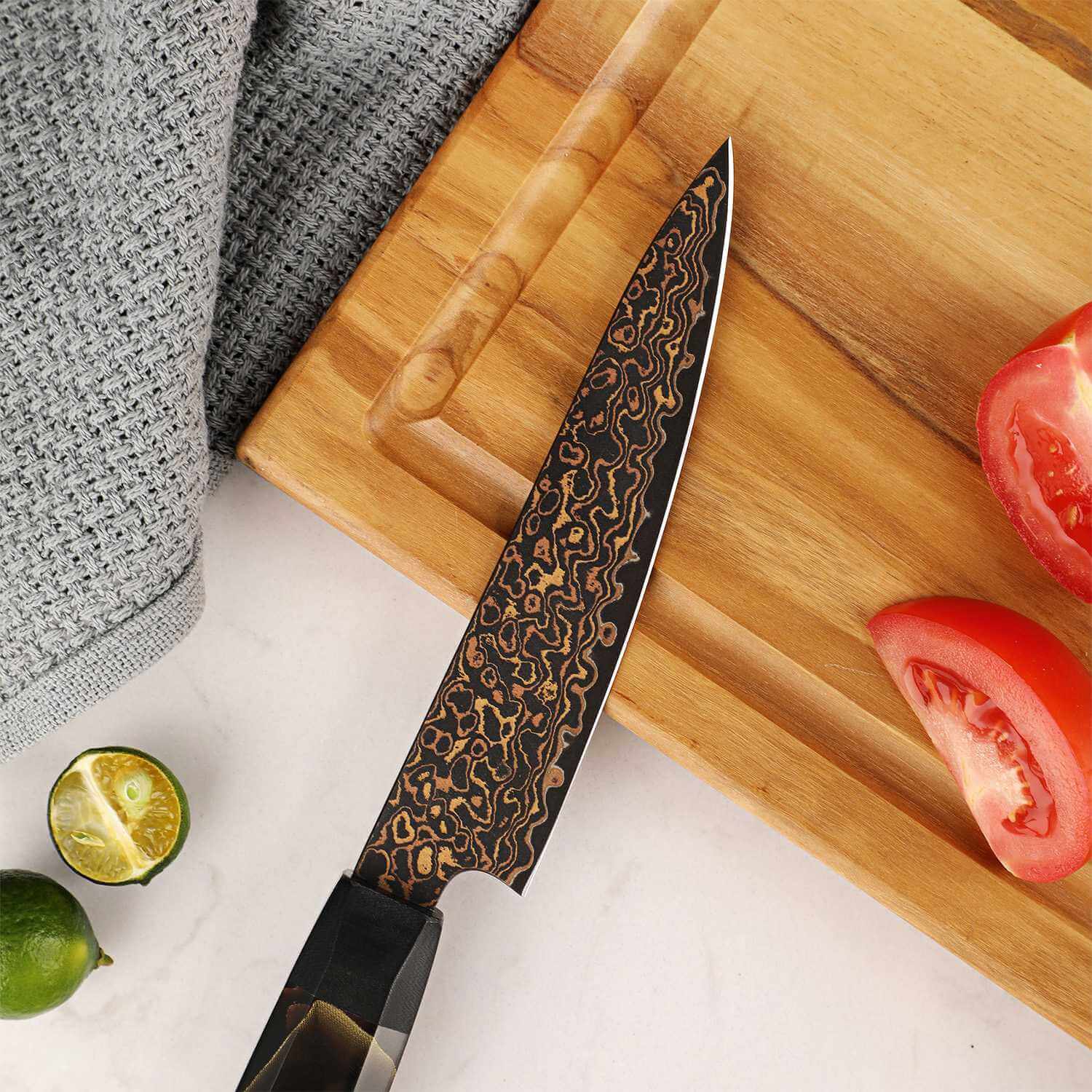
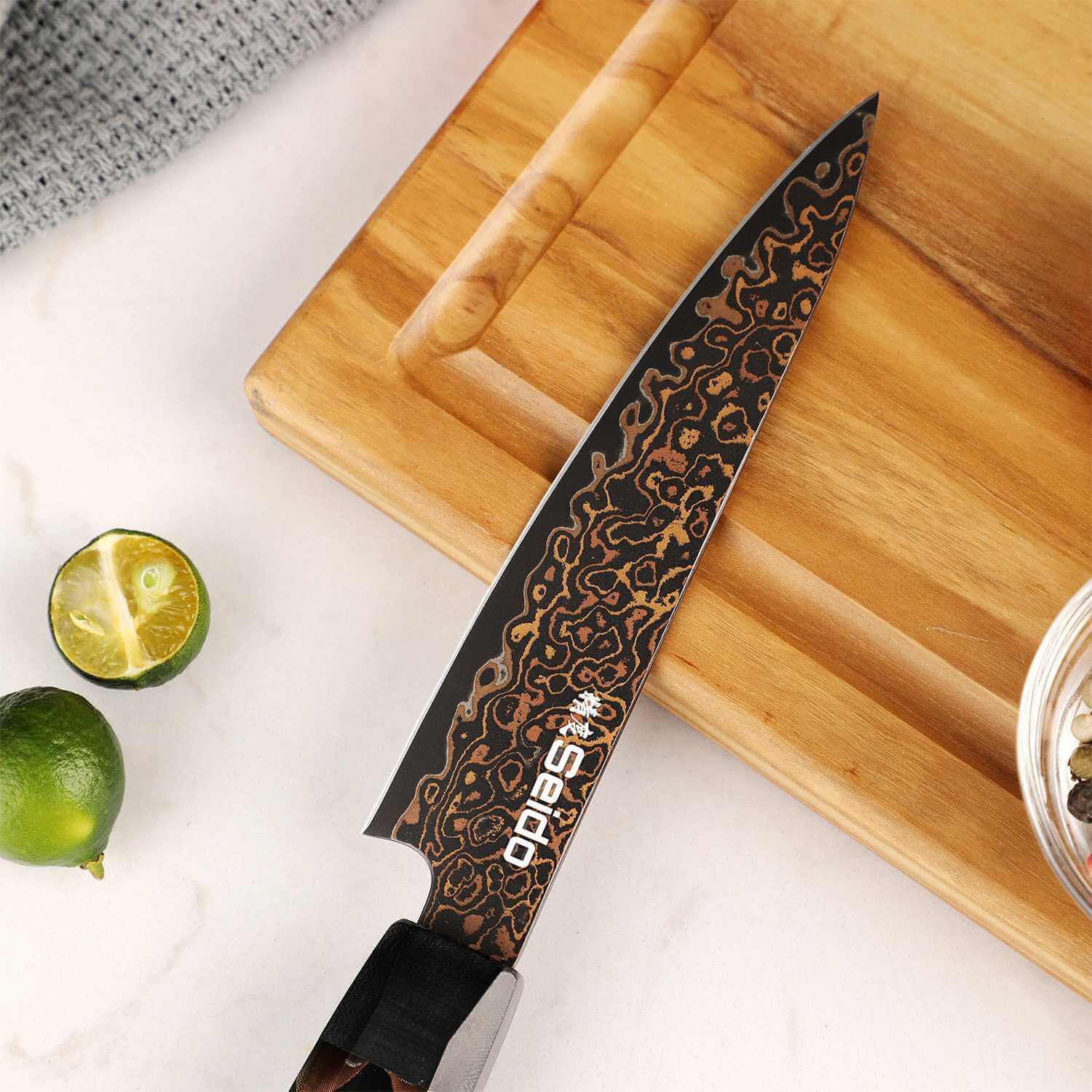
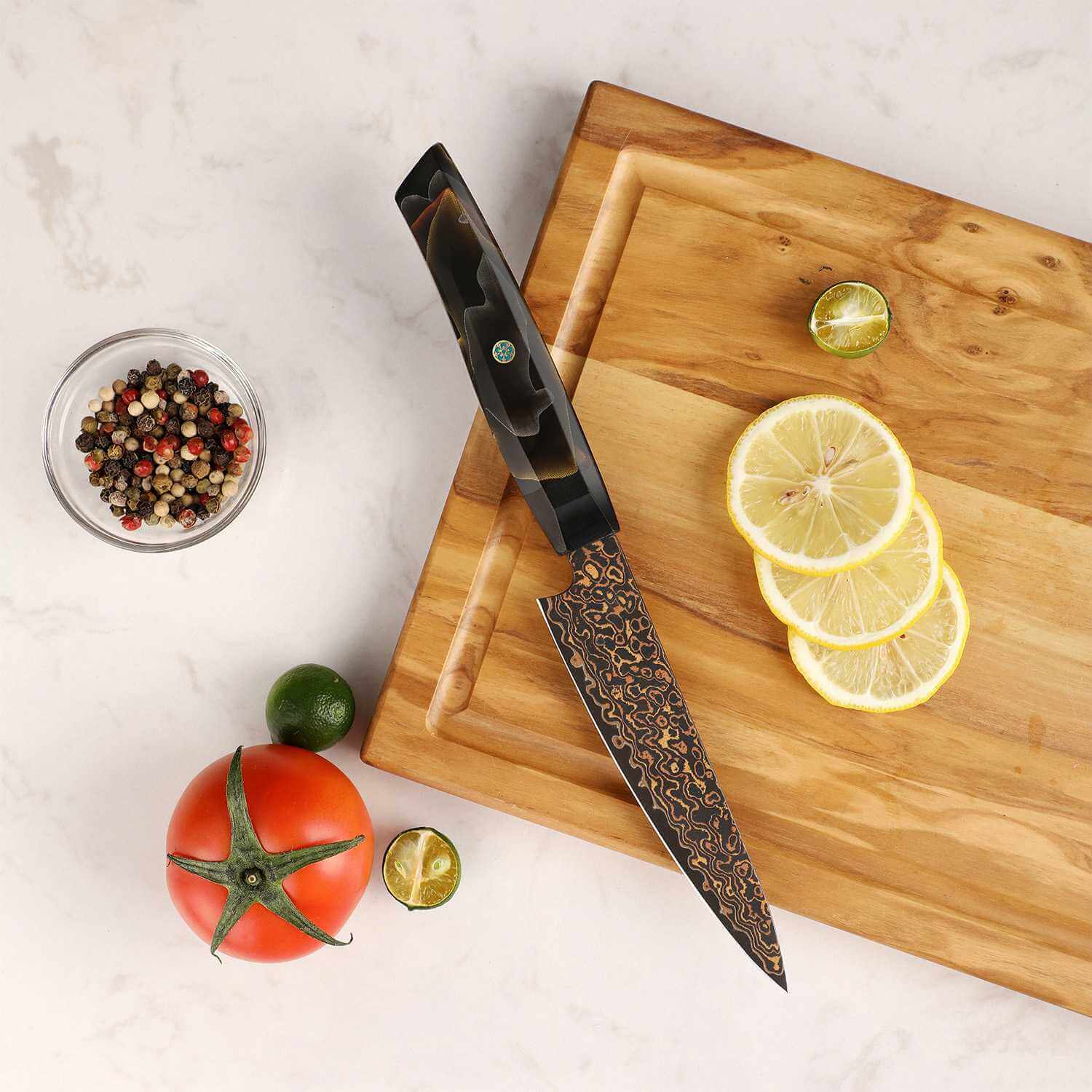
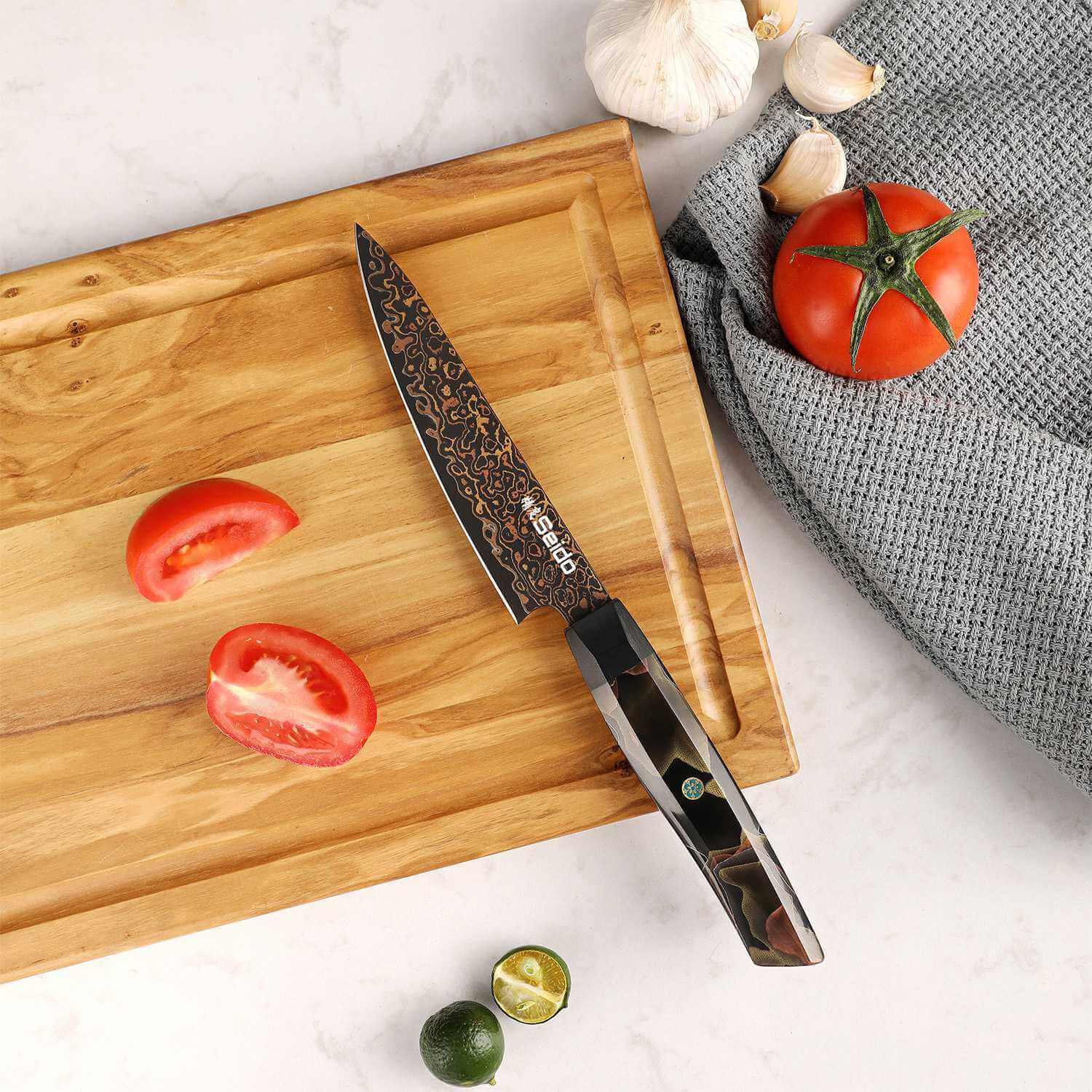
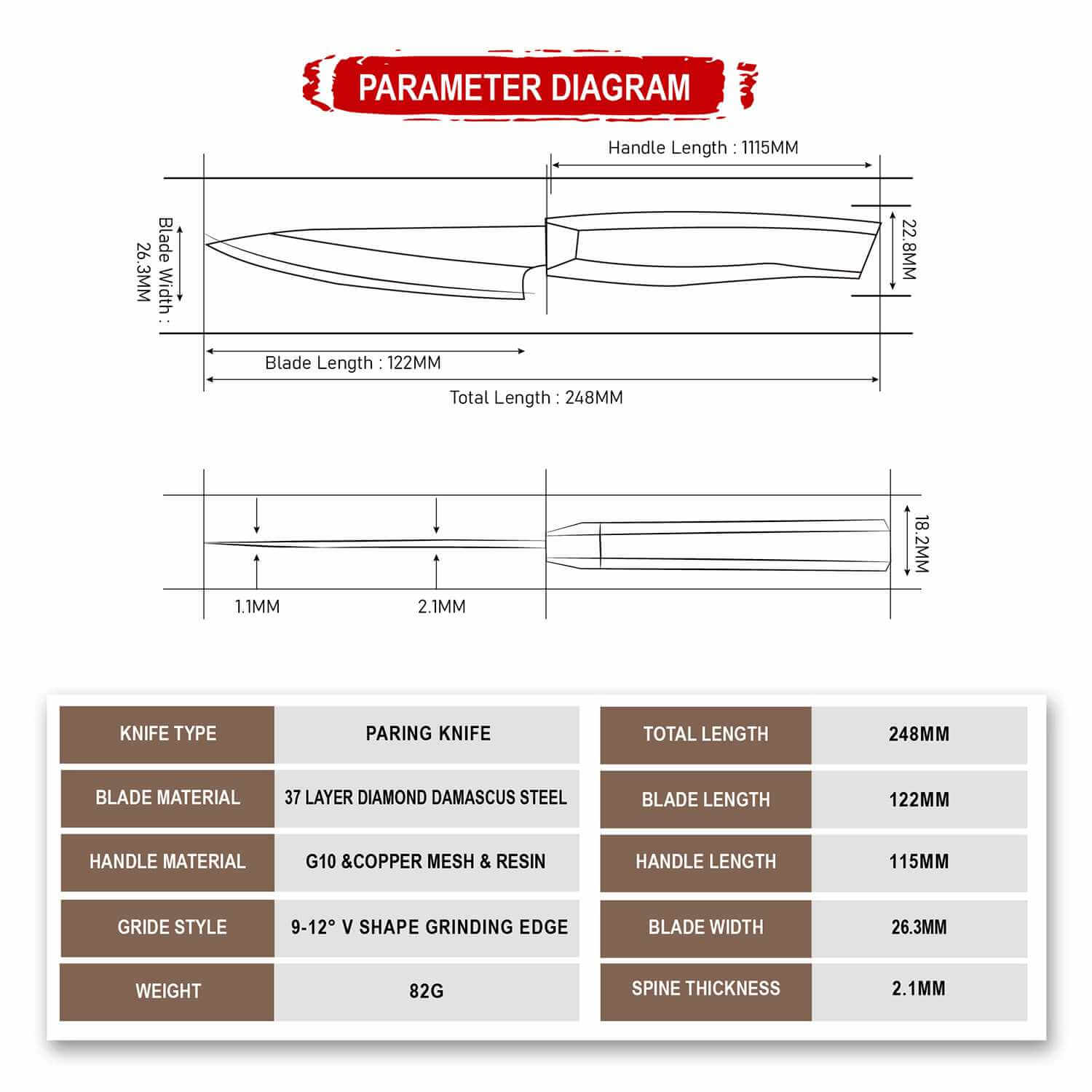
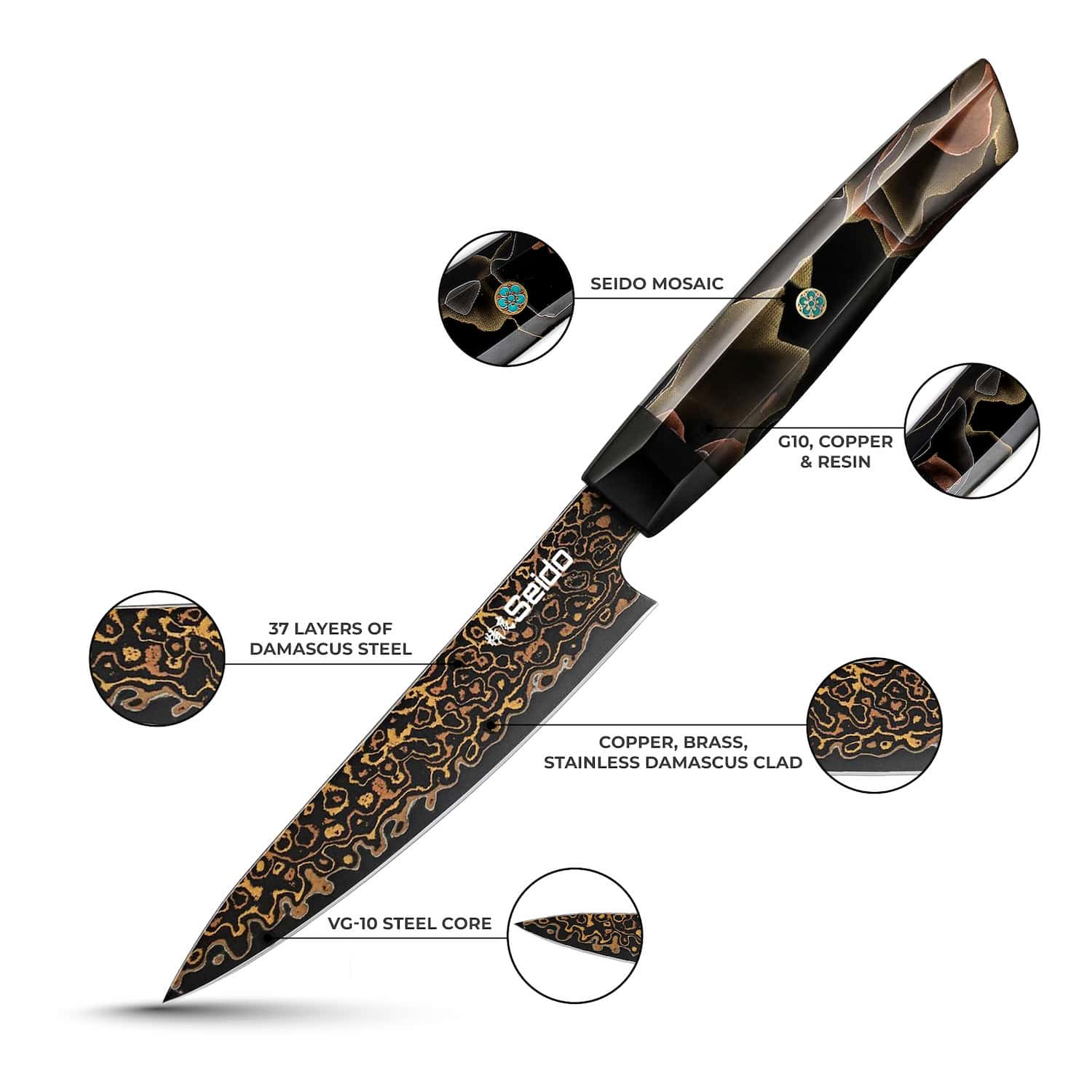
Kurogane 5" Petty Knife
Regular price
$199.00
Sale price
$149.00
25% OFF -
You Saved $50.00
Interest-free payments with
Save 35%
Quick view
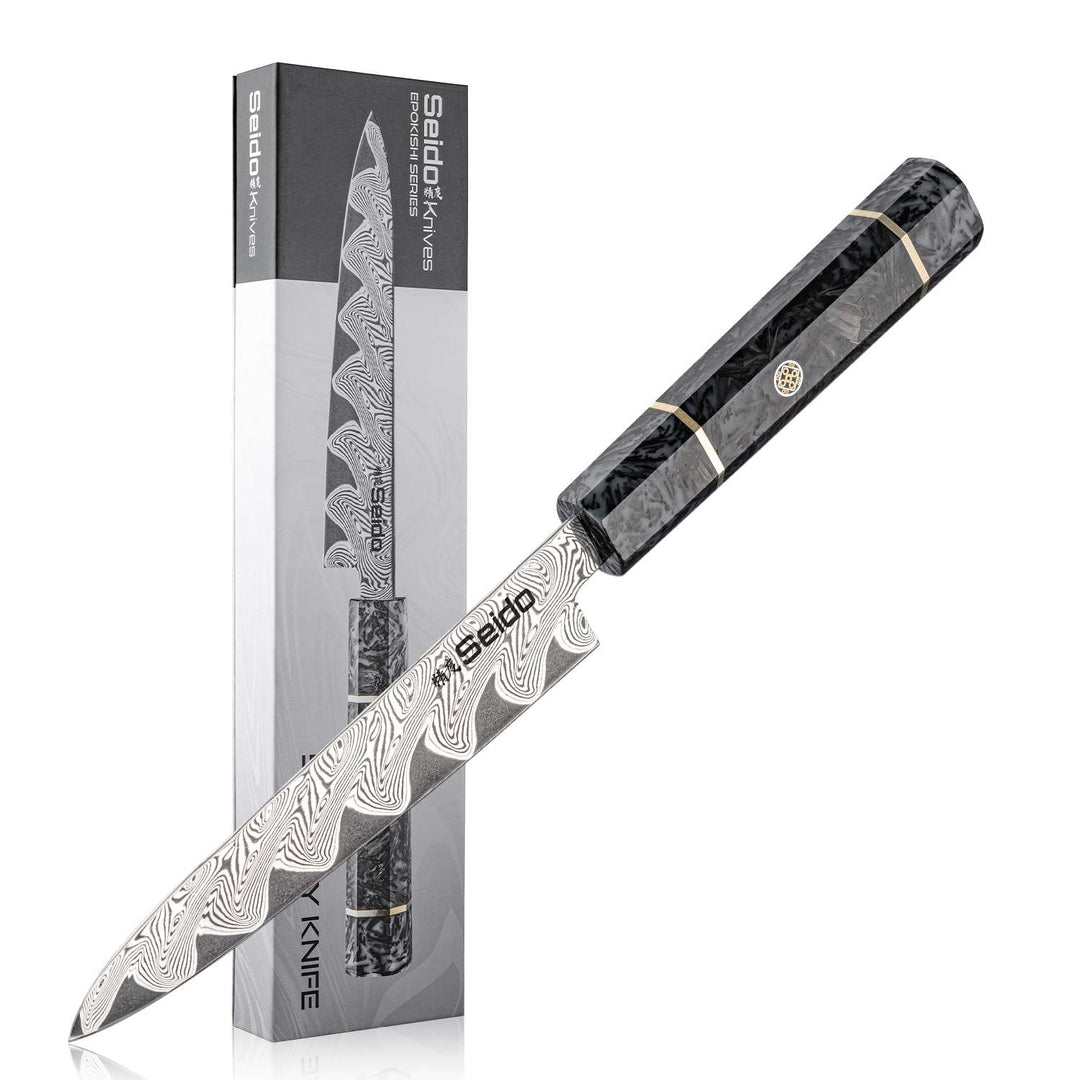
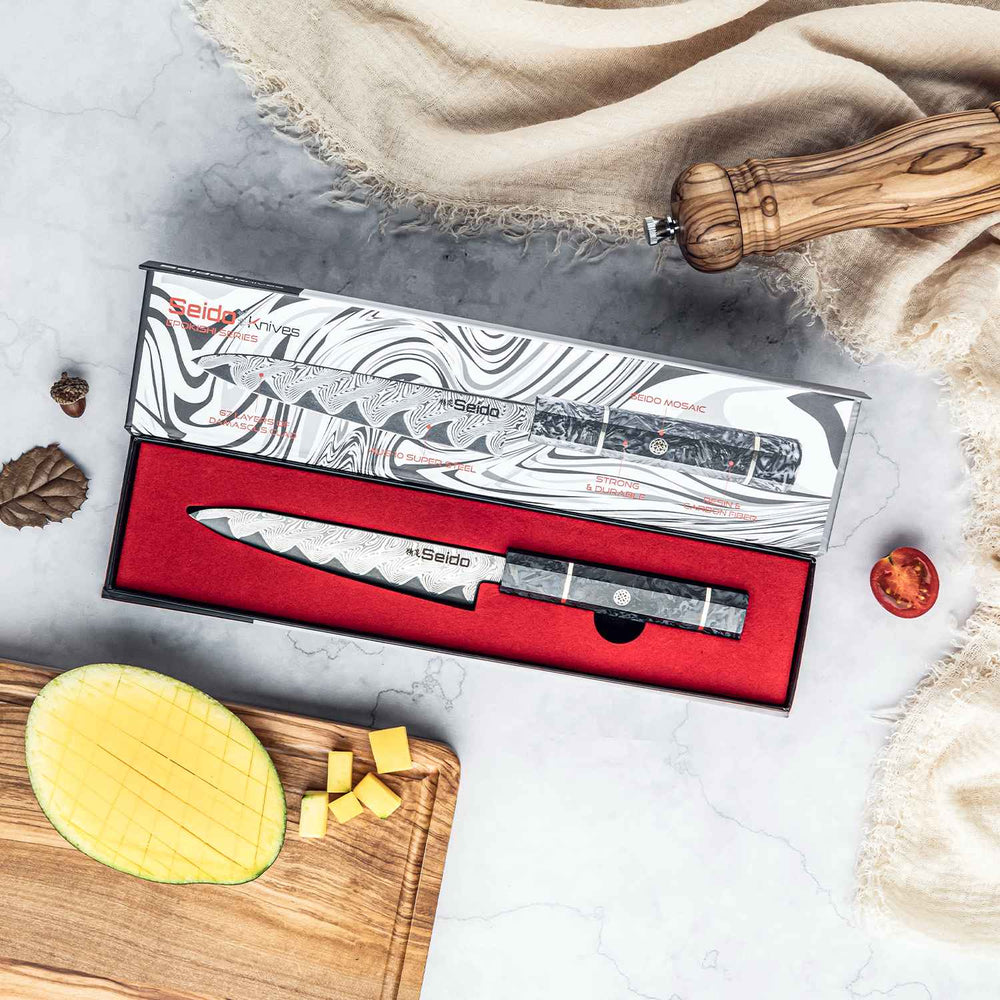
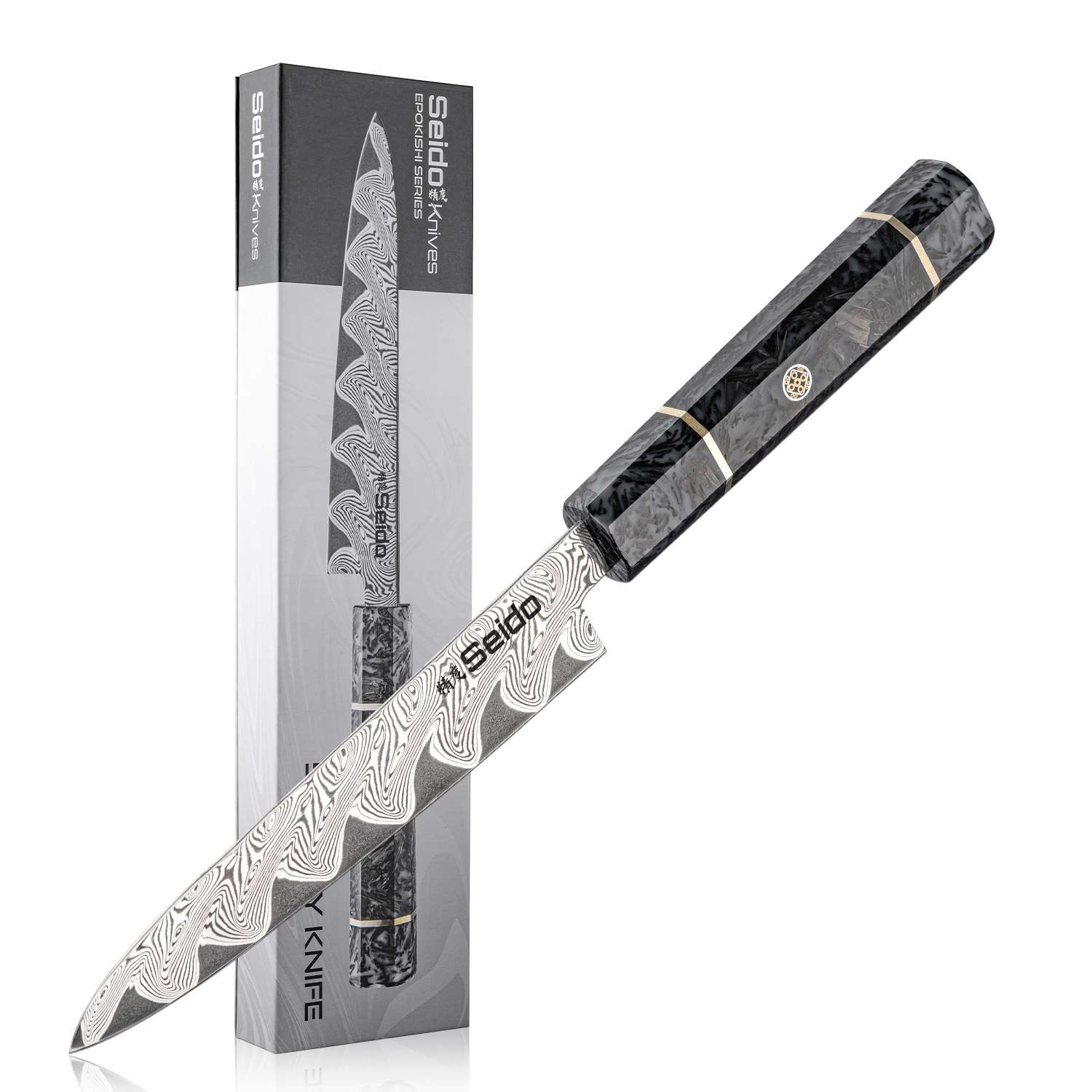
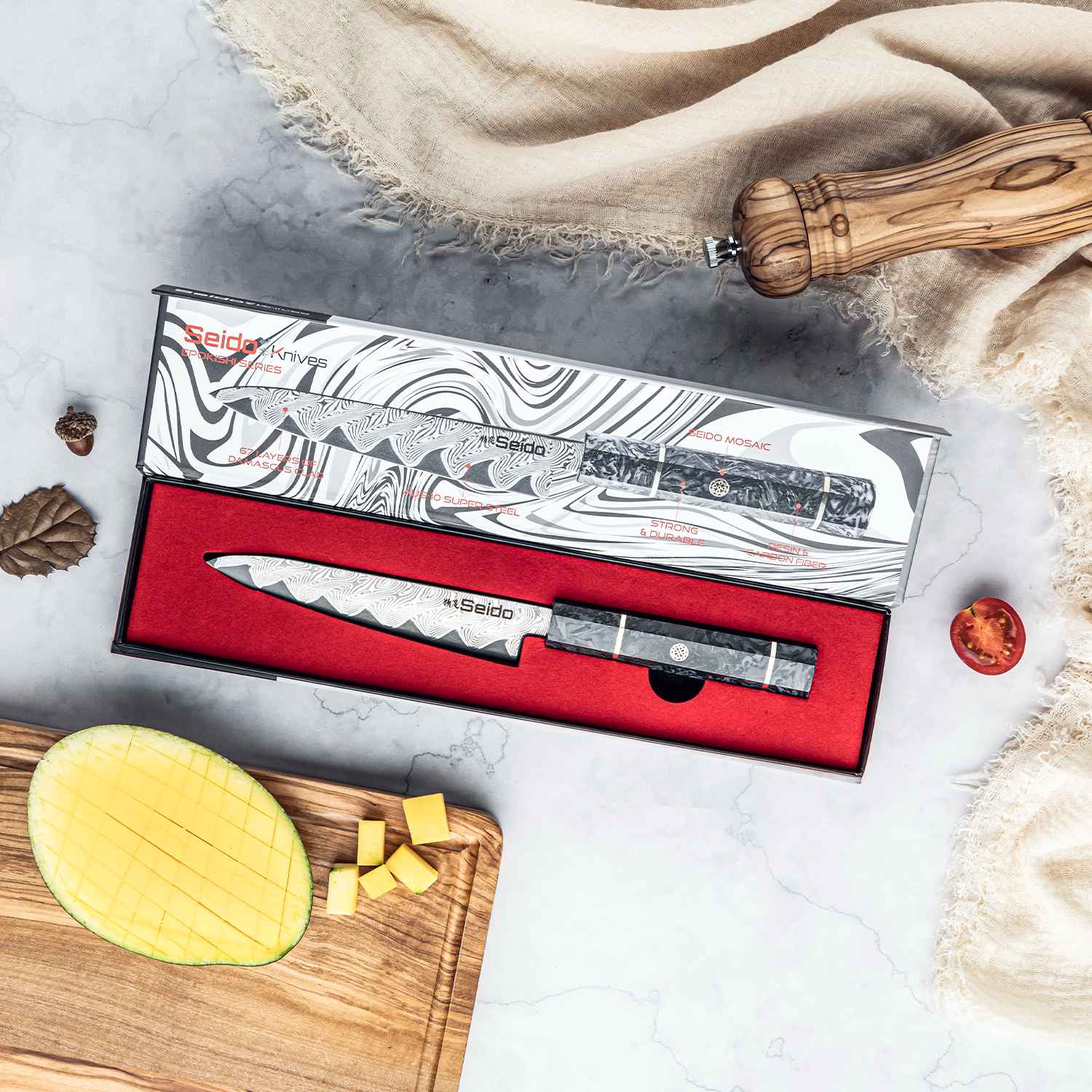
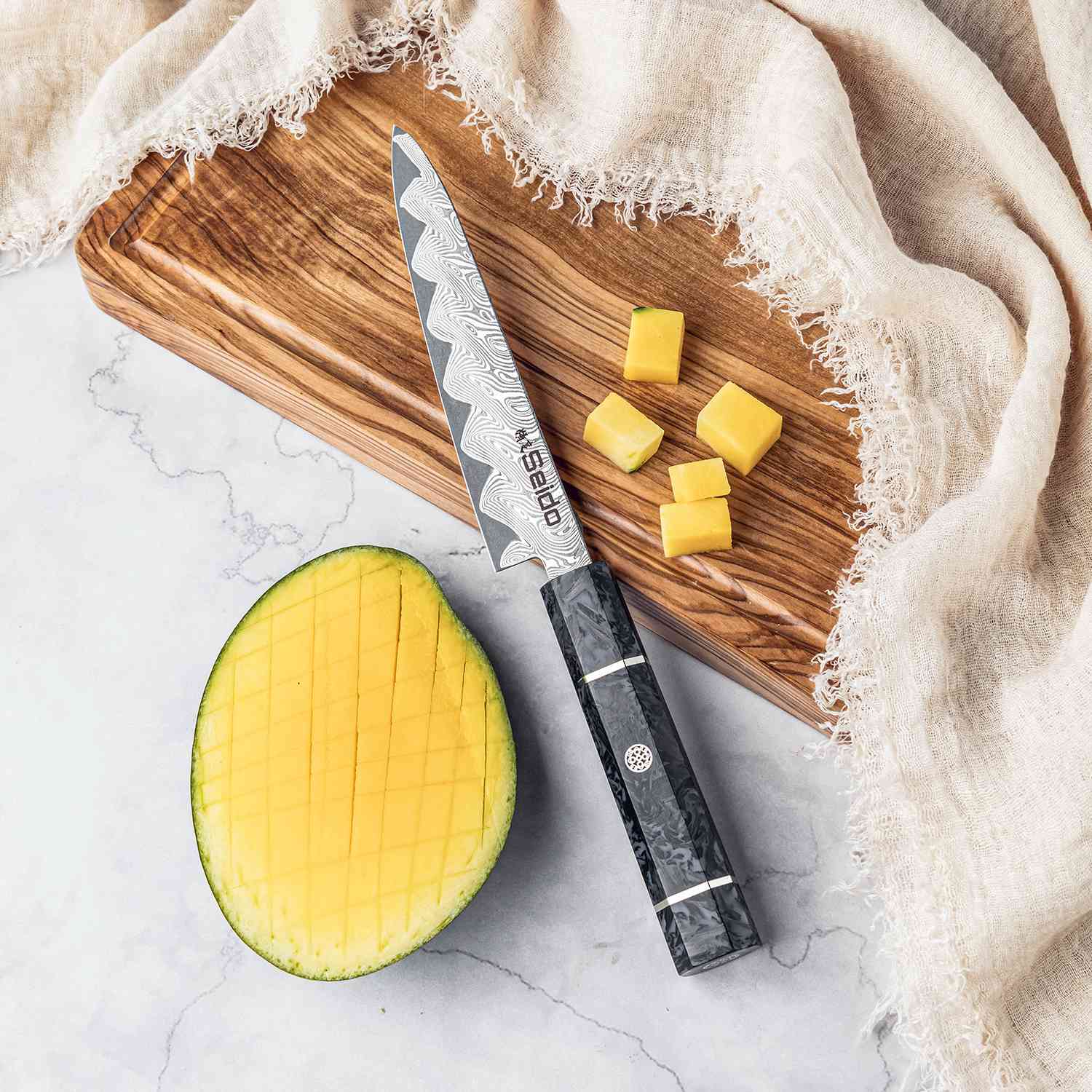
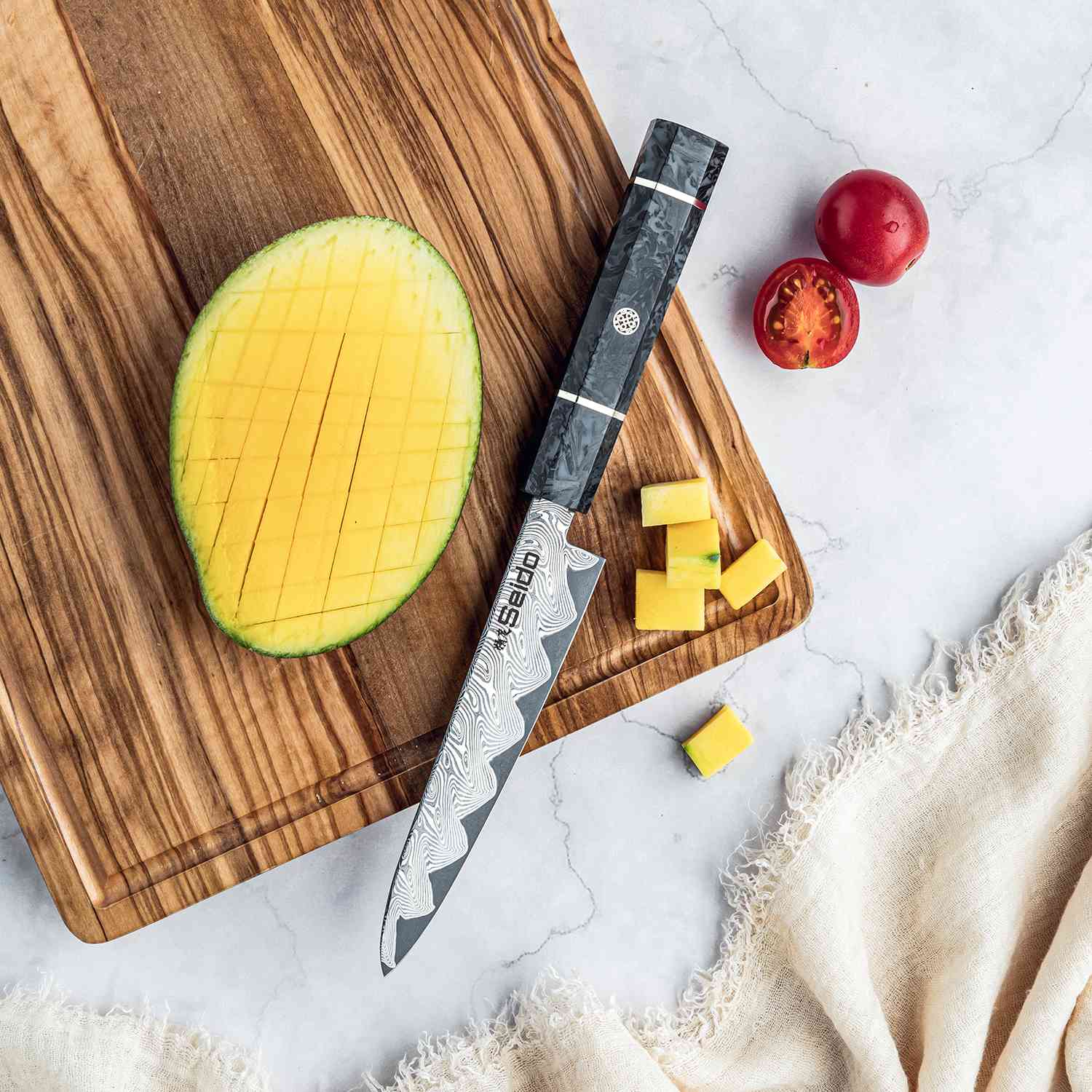
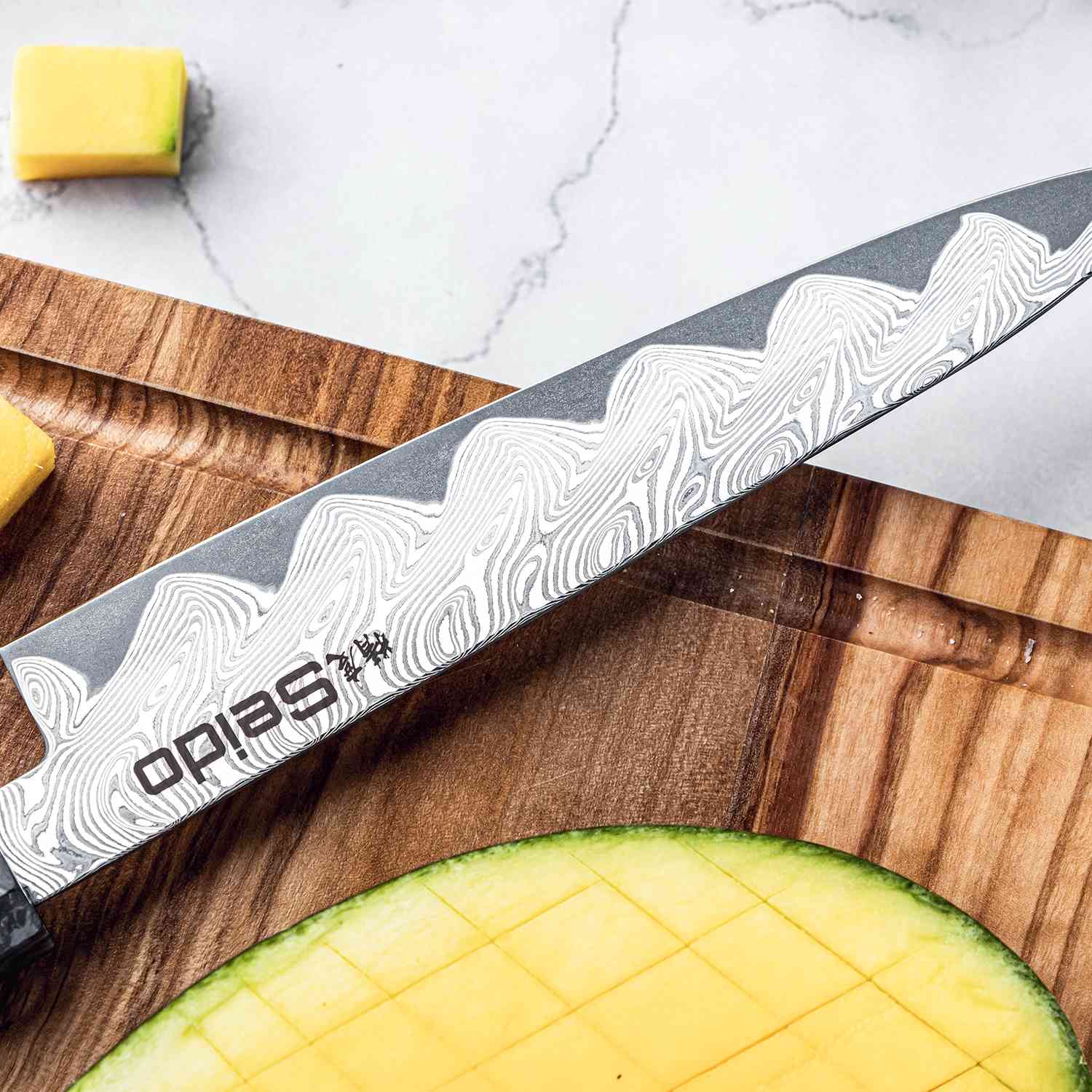
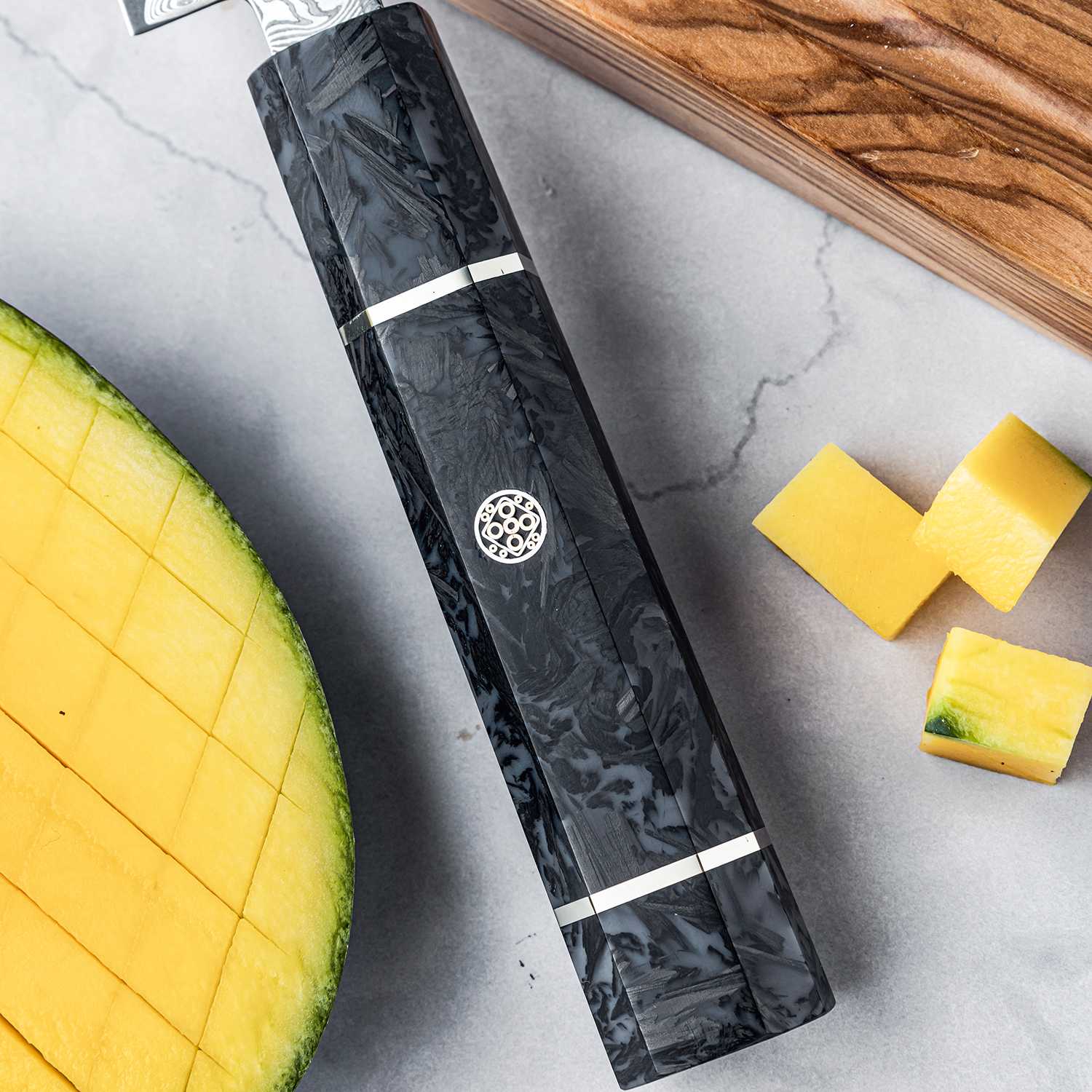
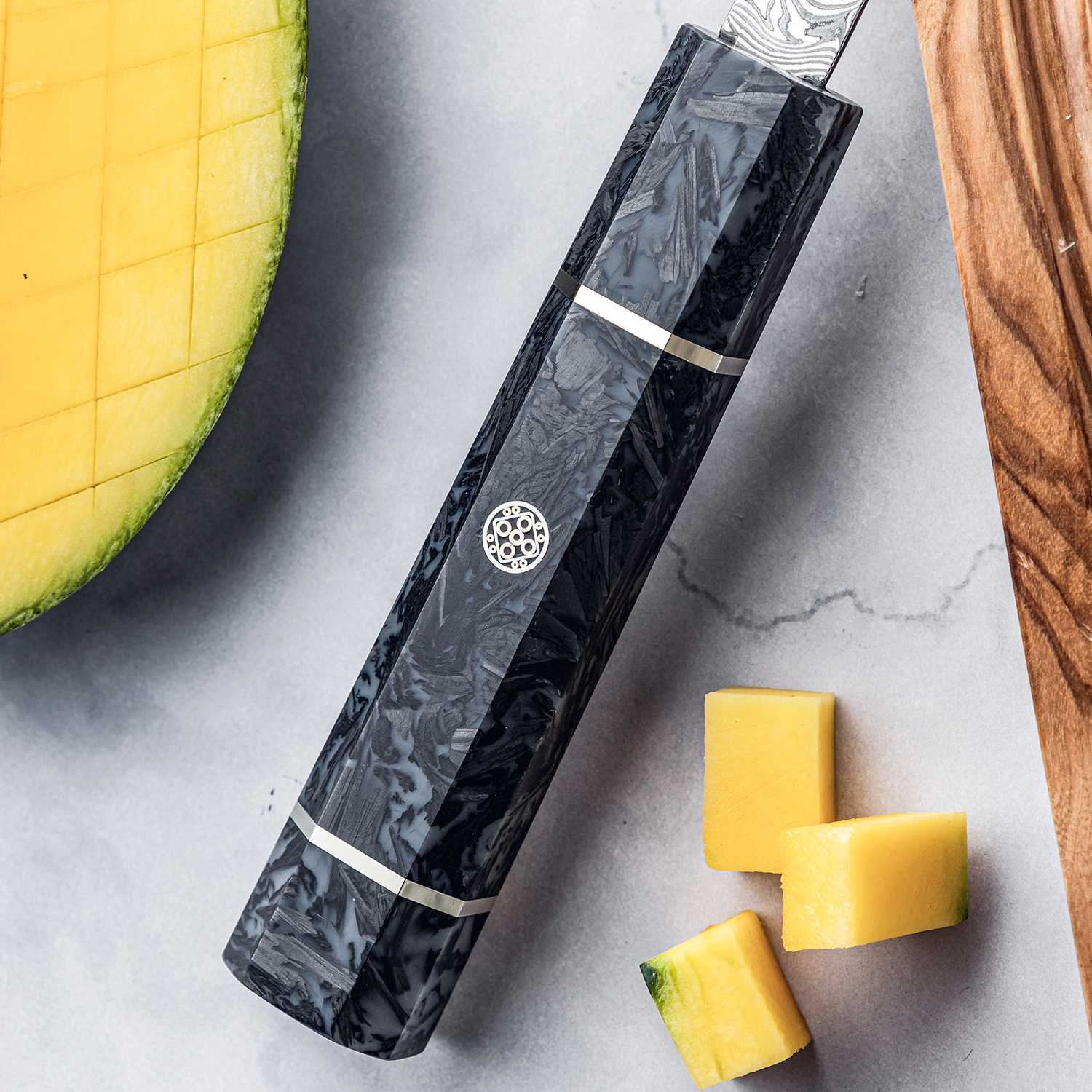
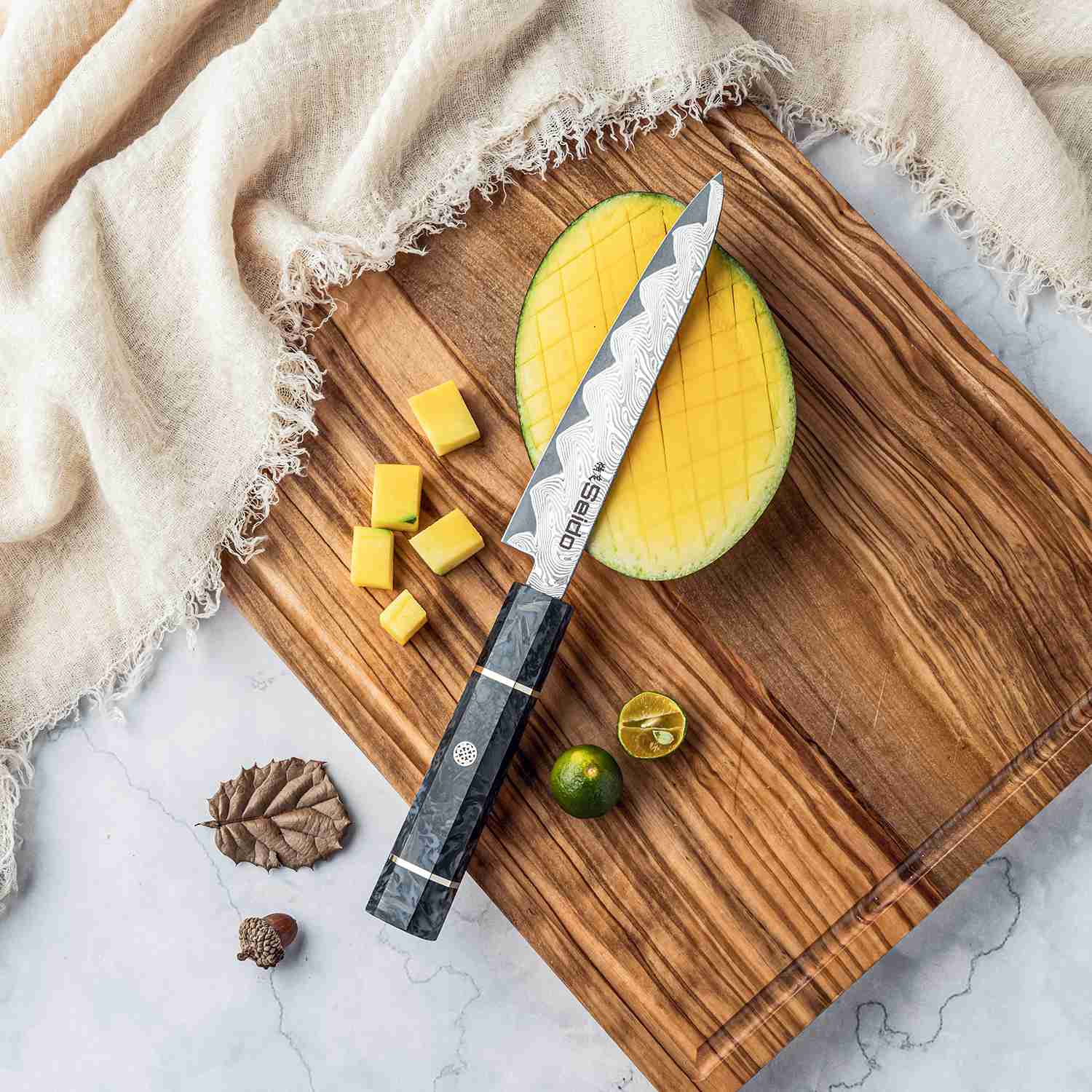
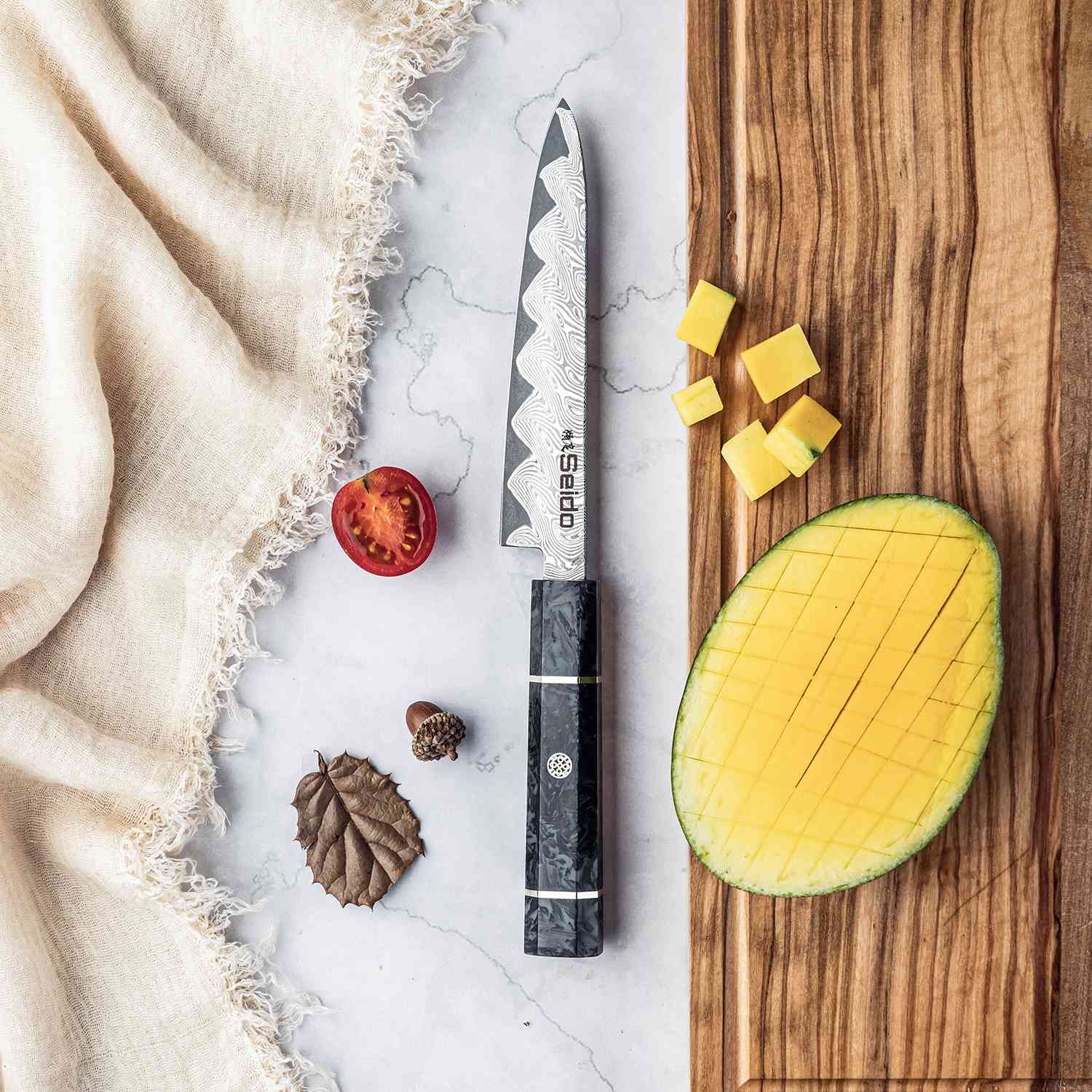
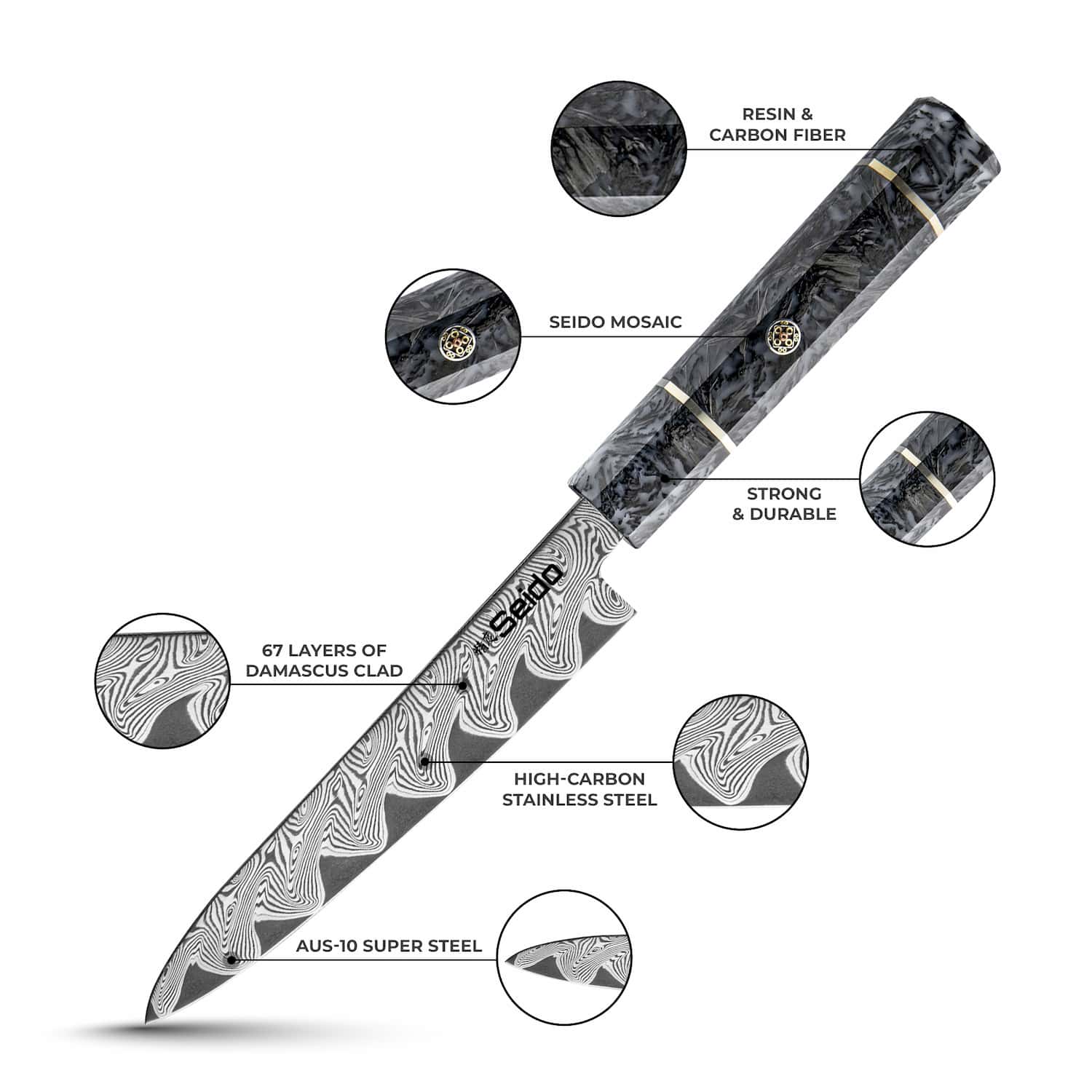
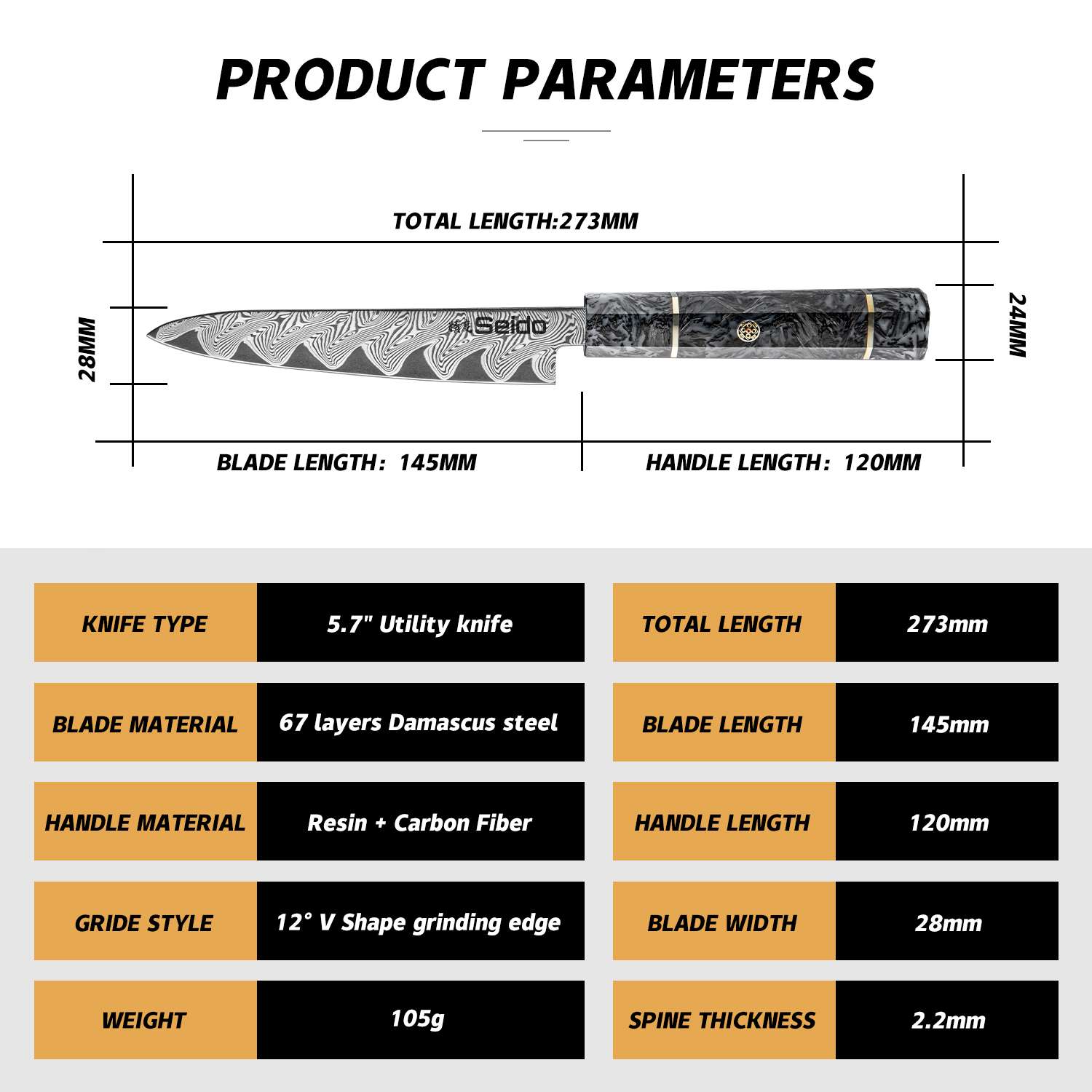
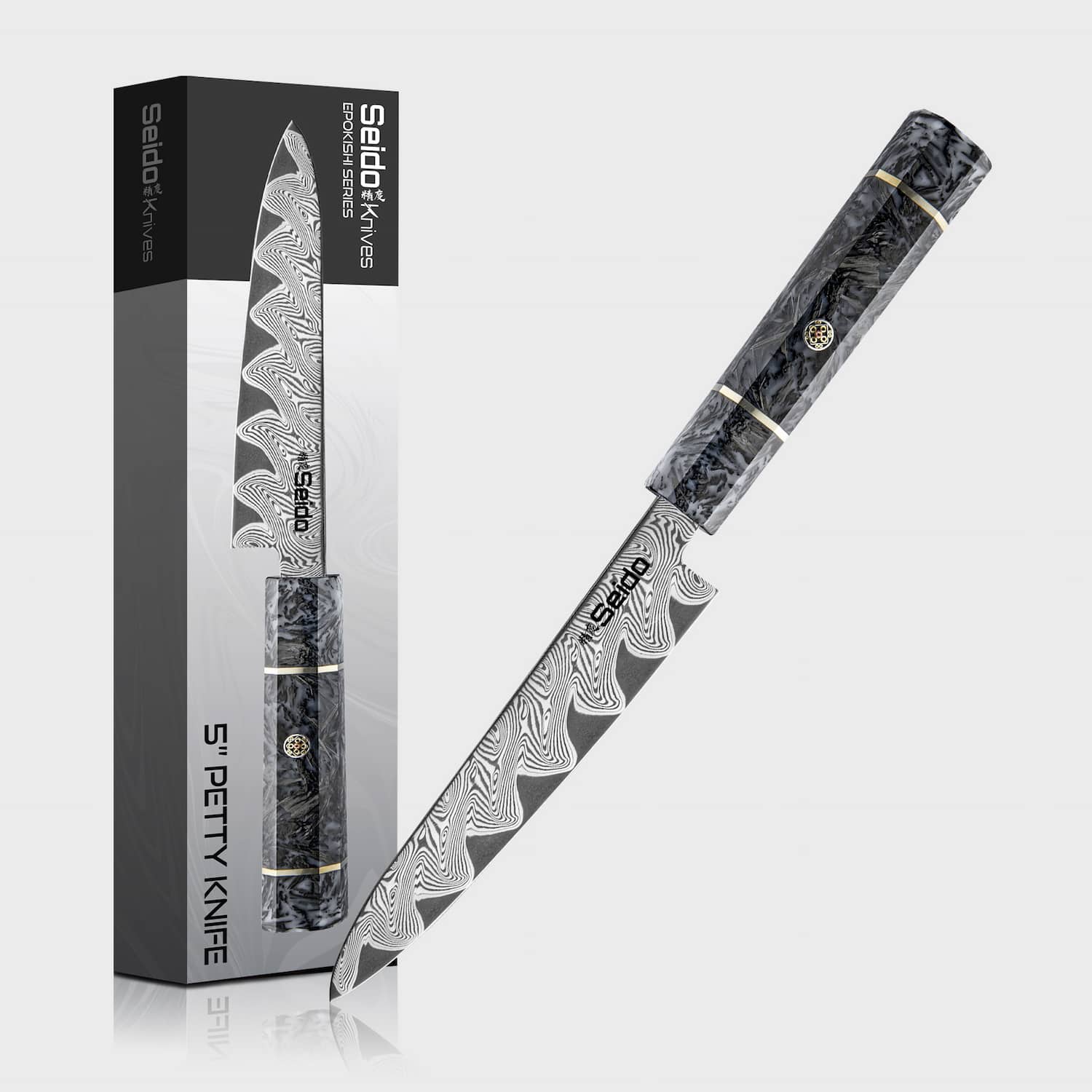
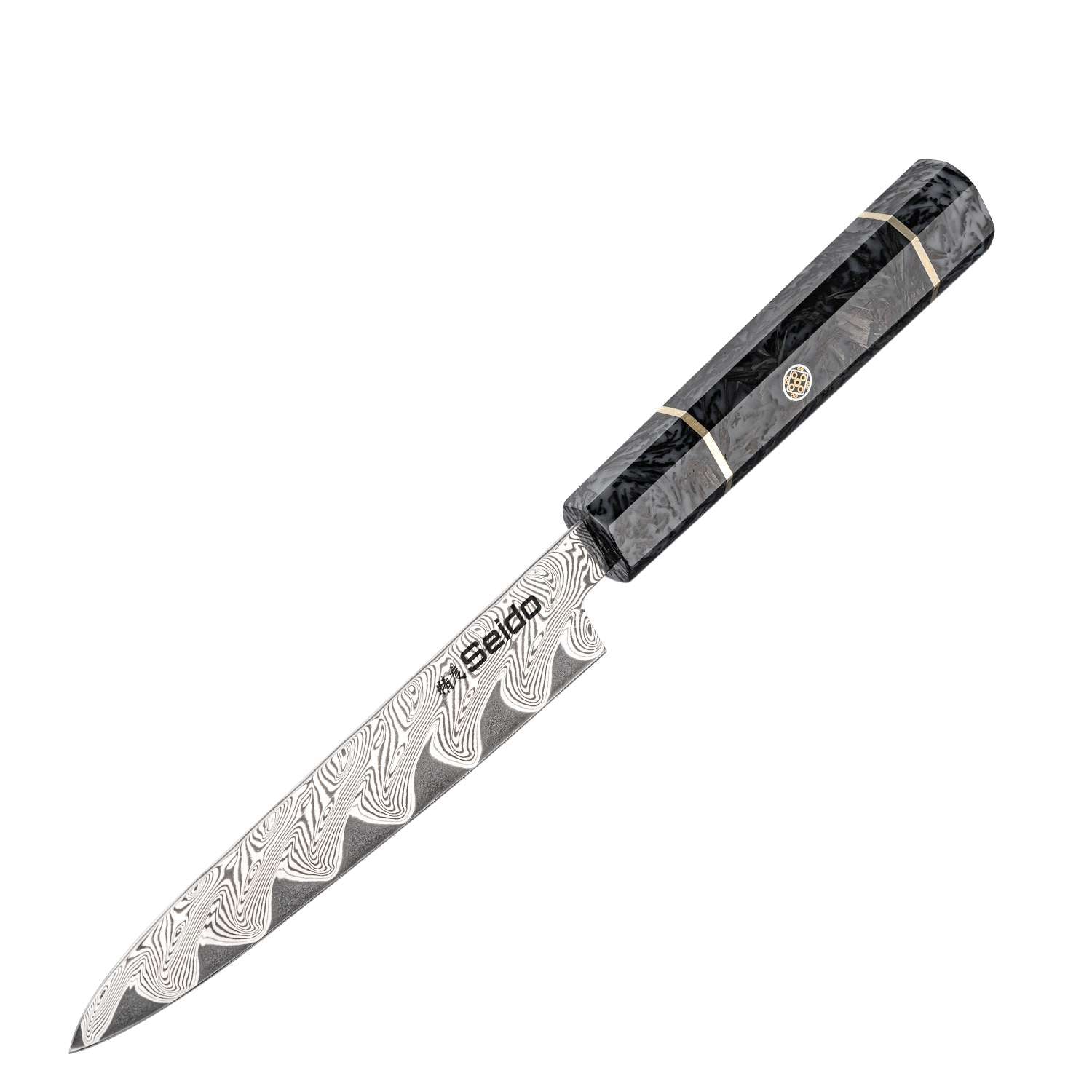
Epokishi 5" Petty Knife
Regular price
$199.00
Sale price
$129.00
35% OFF -
You Saved $70.00
Interest-free payments with
Save 27%
Quick view

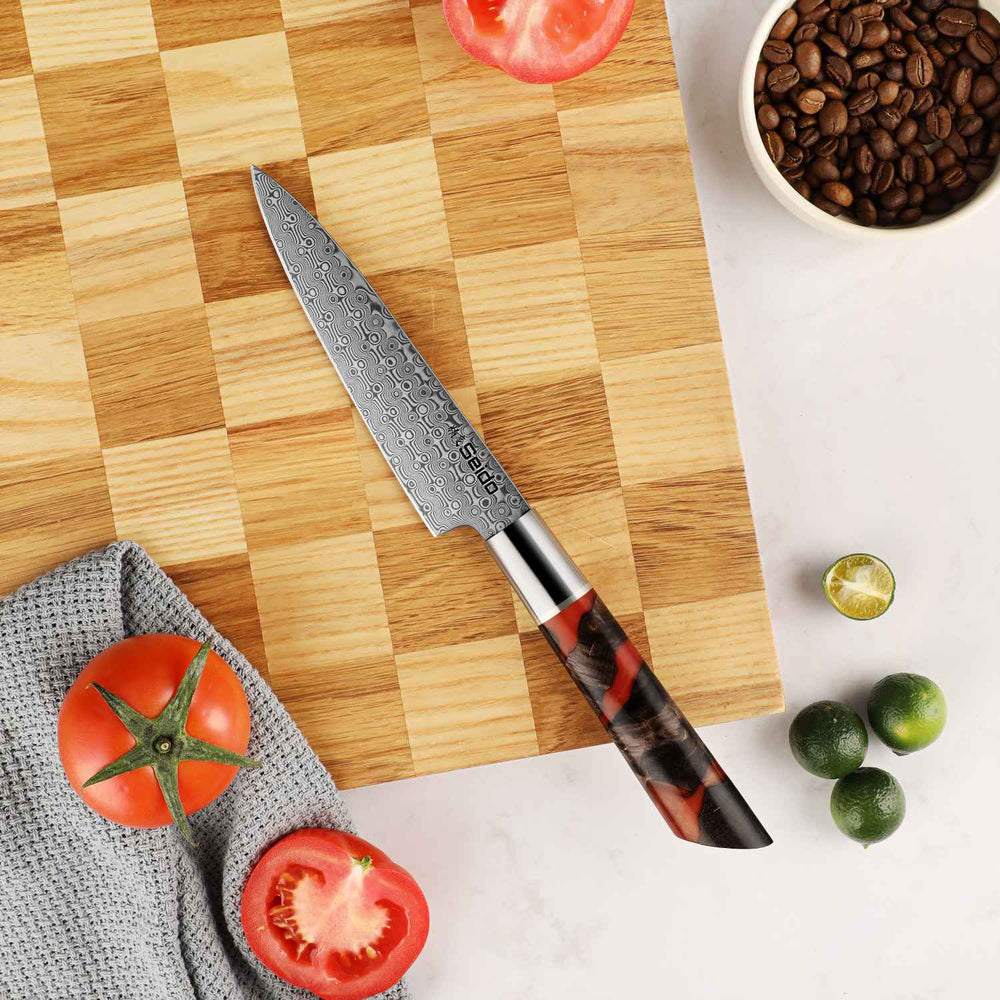

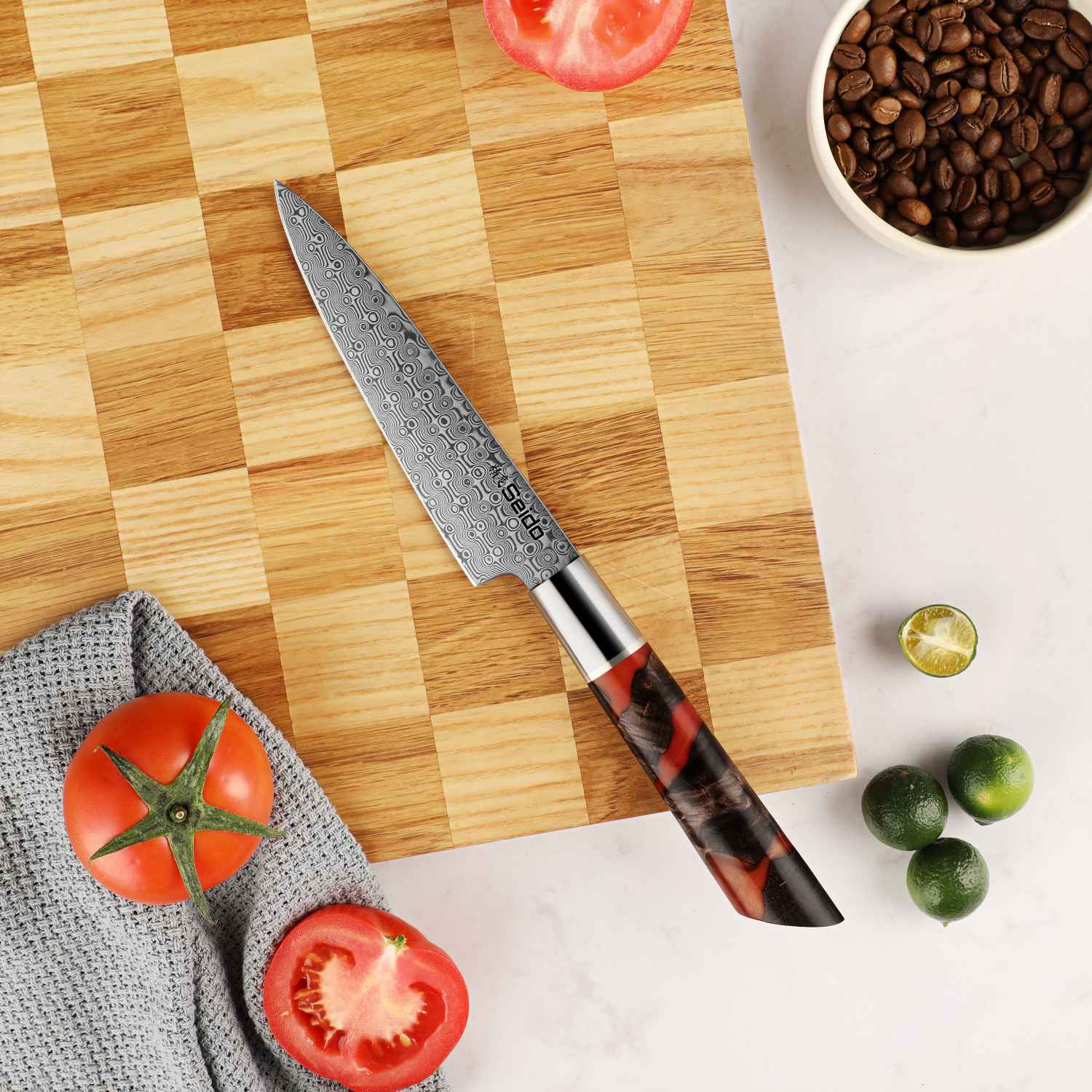
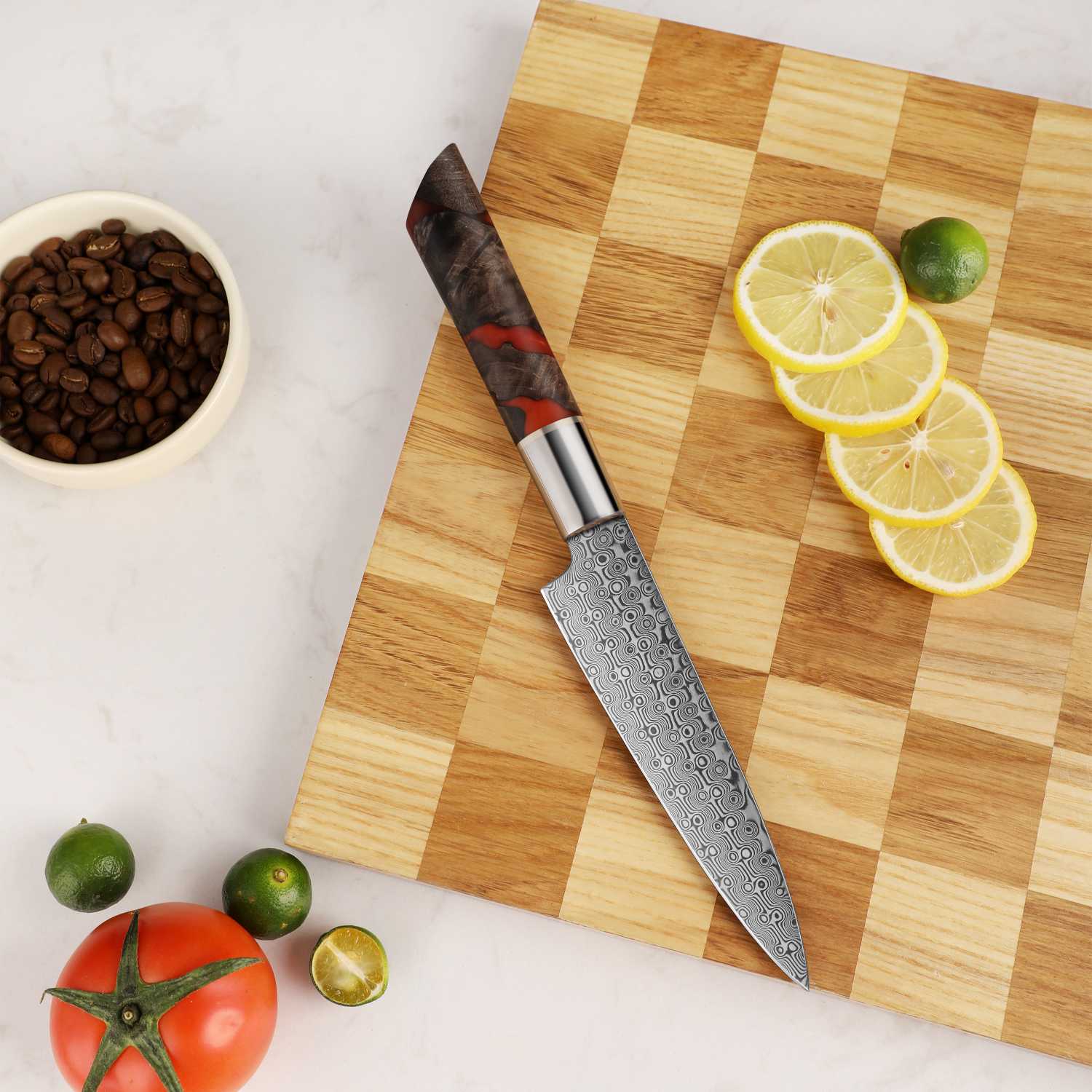
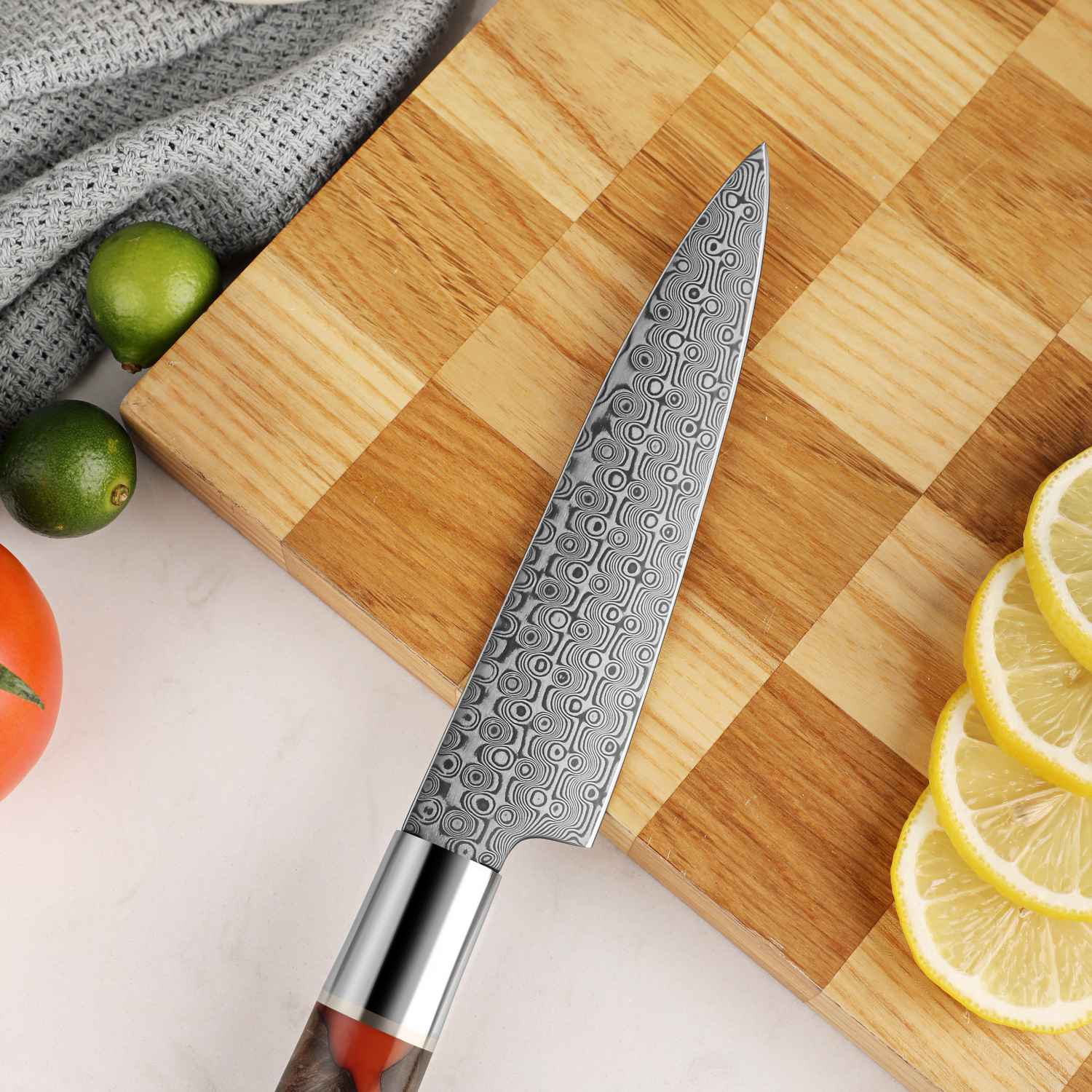
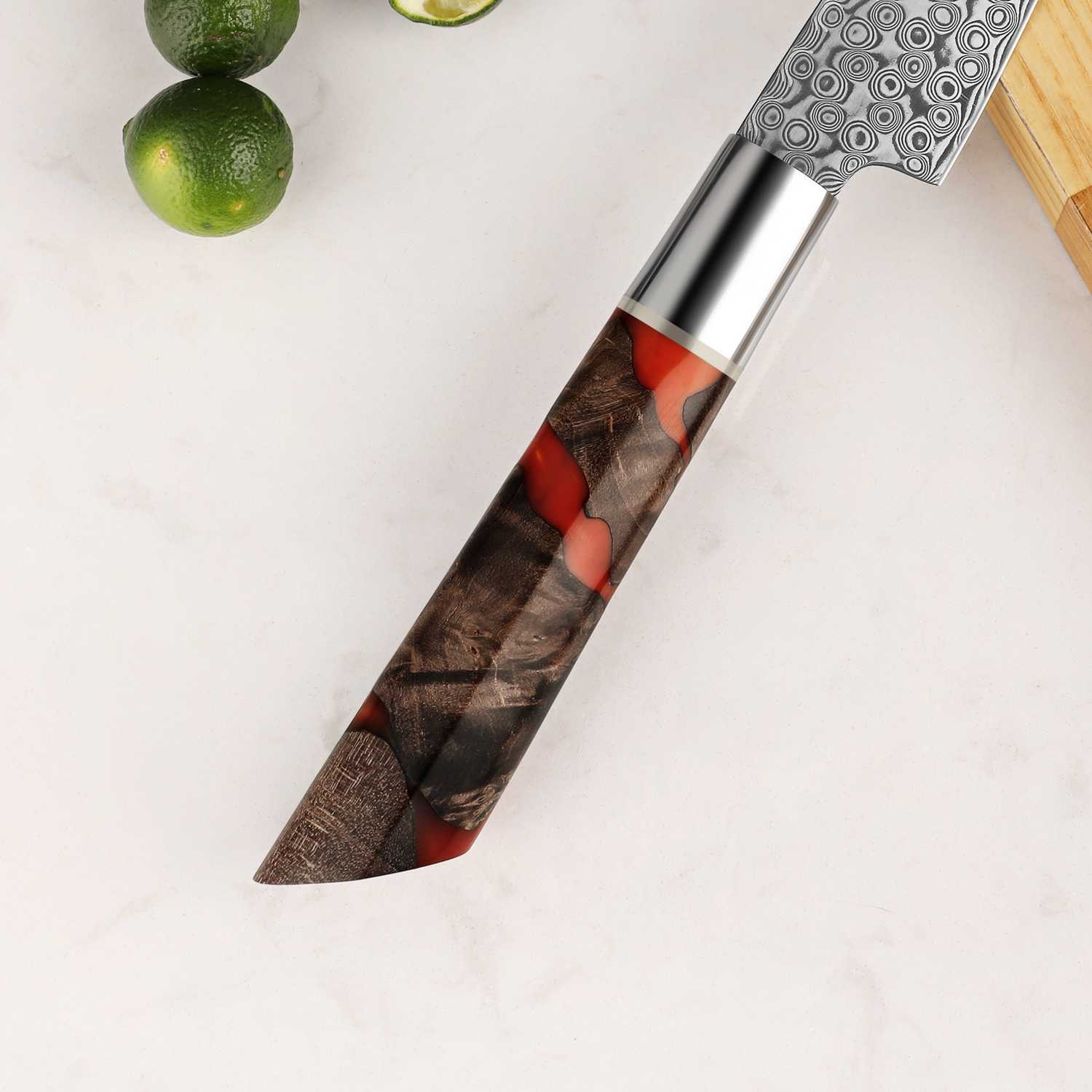
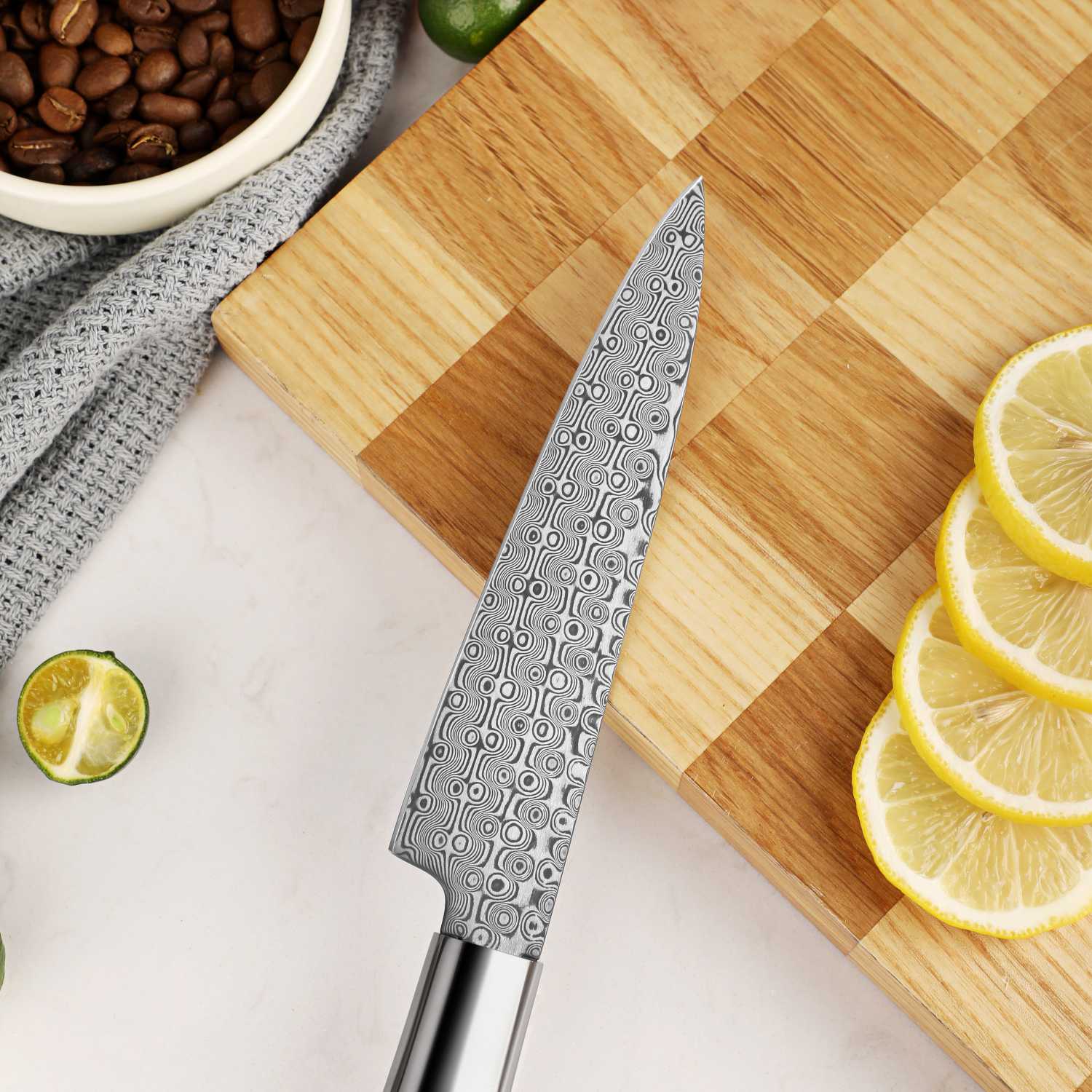
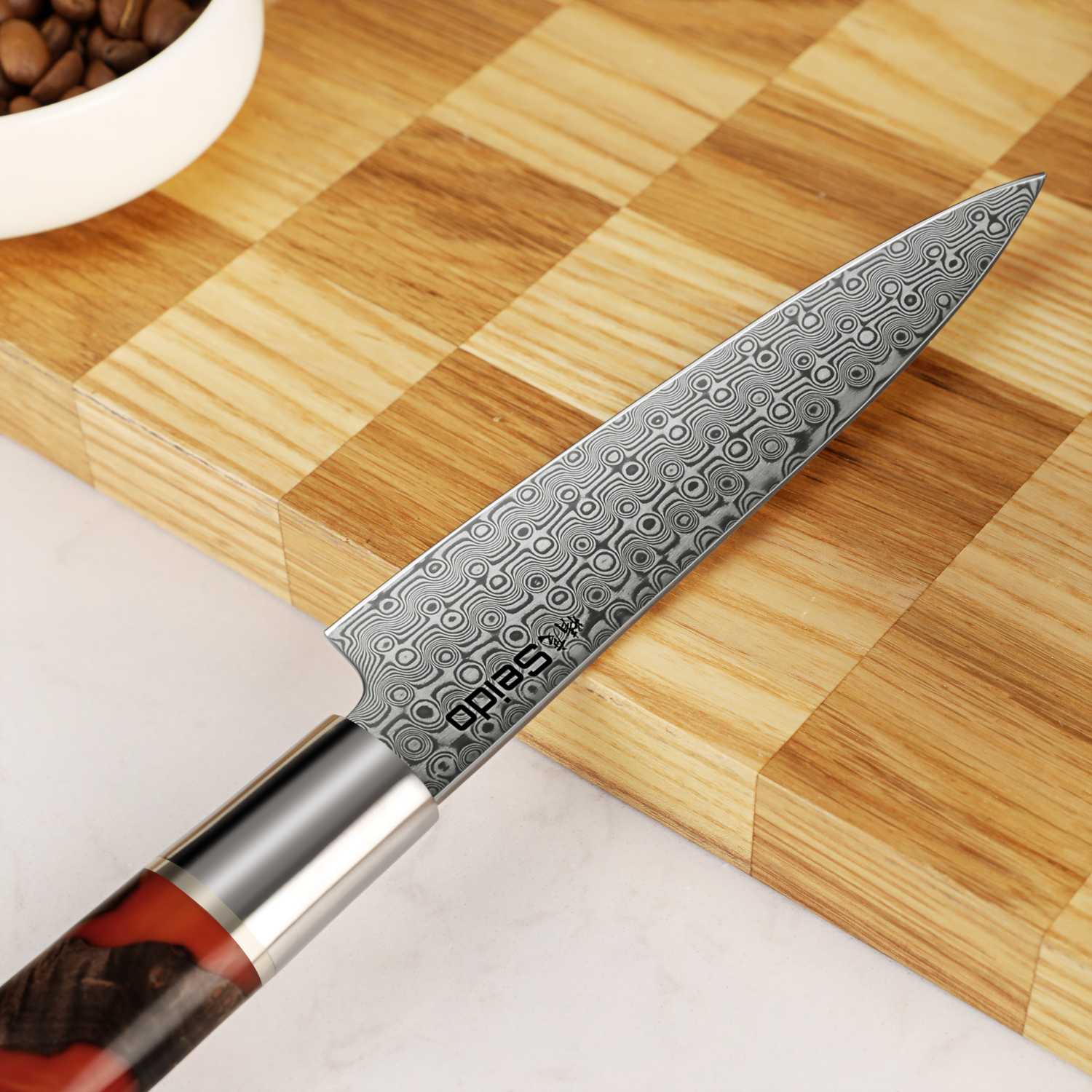
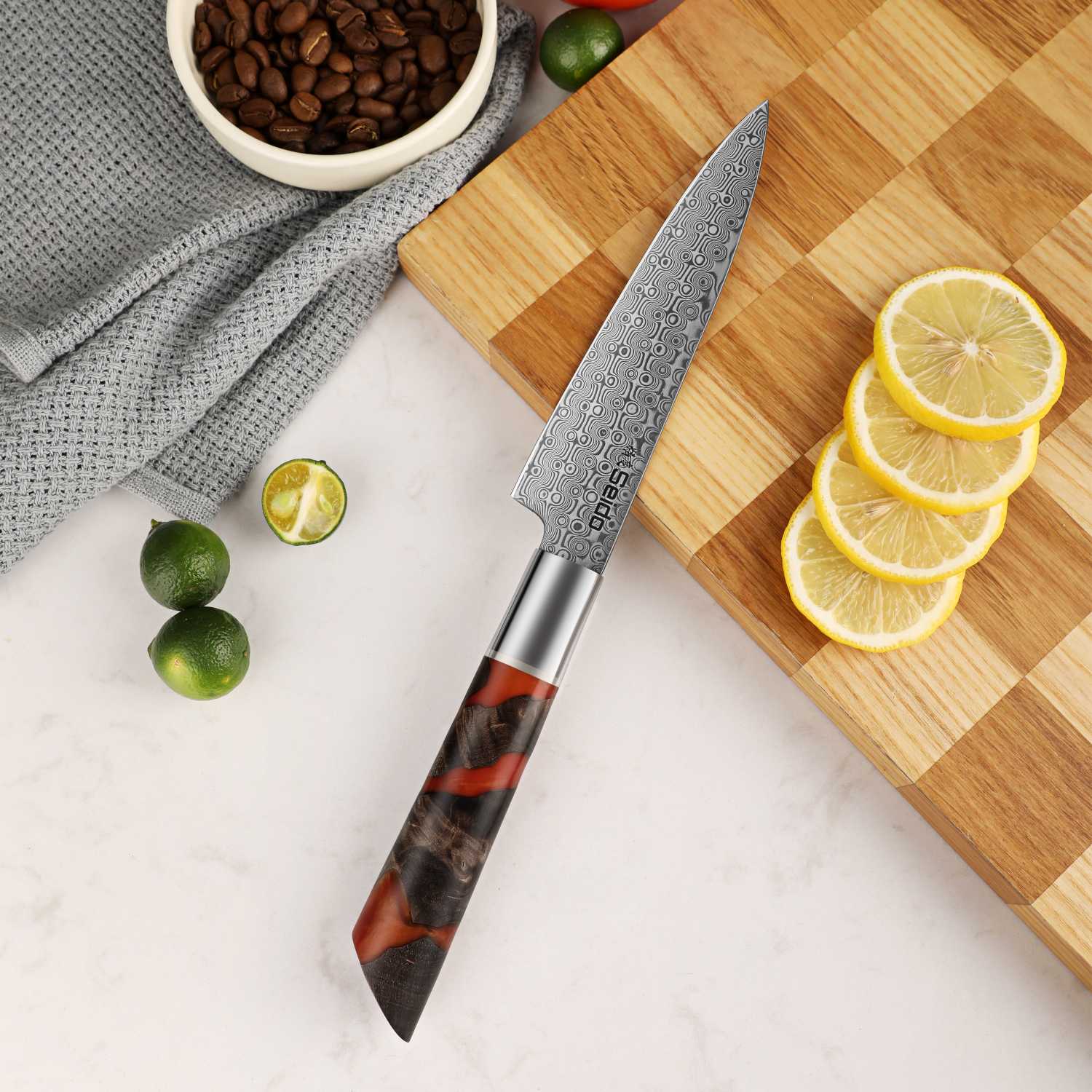
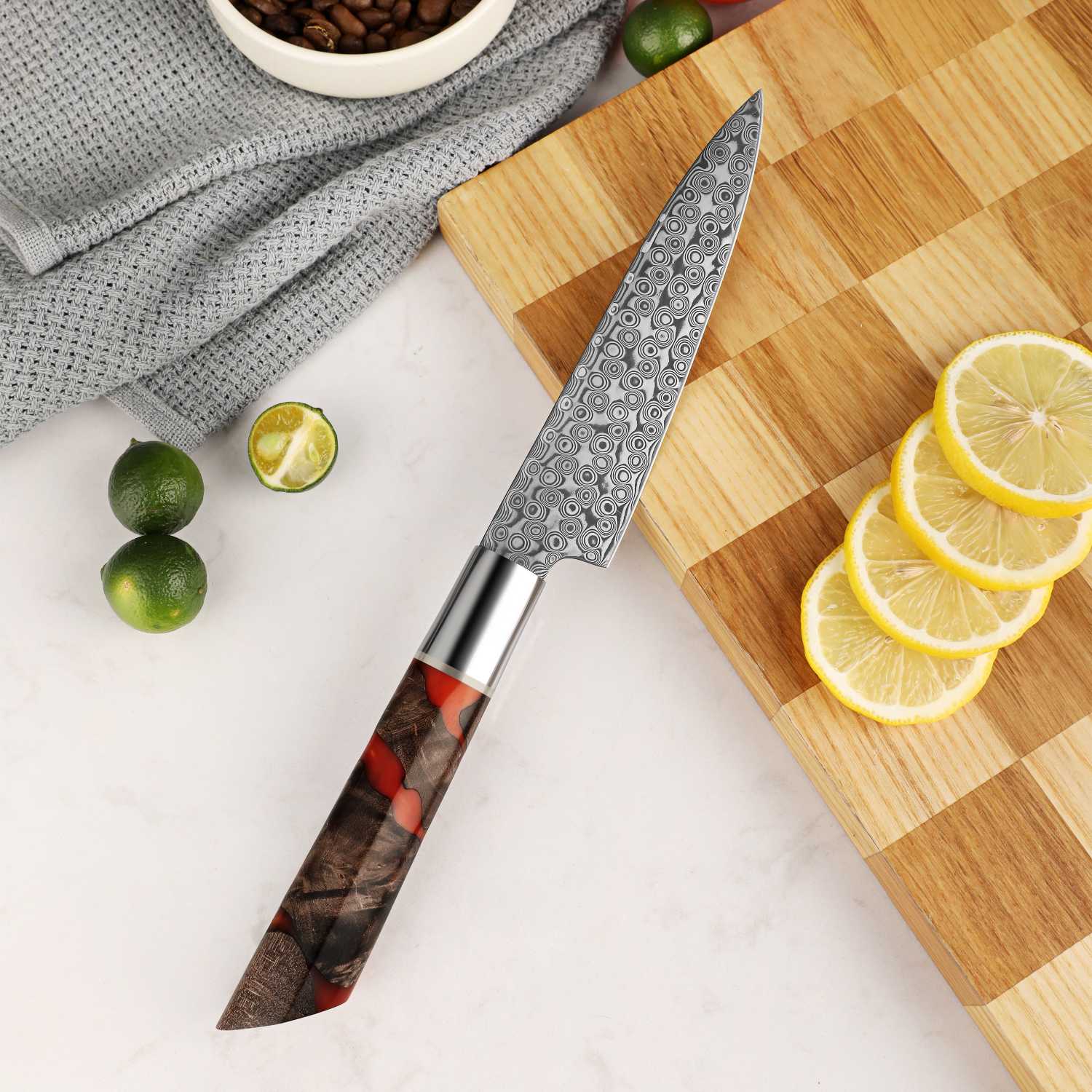
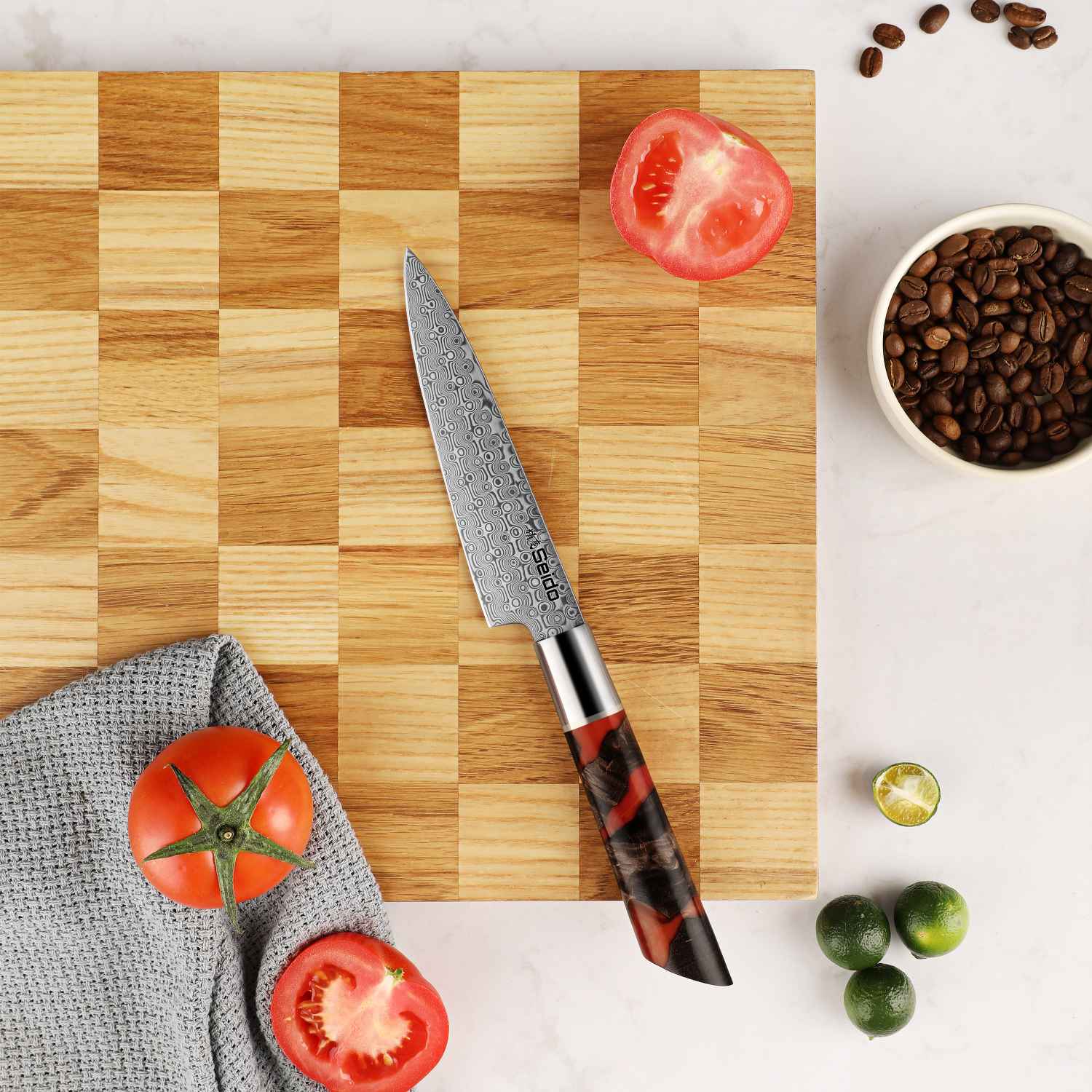
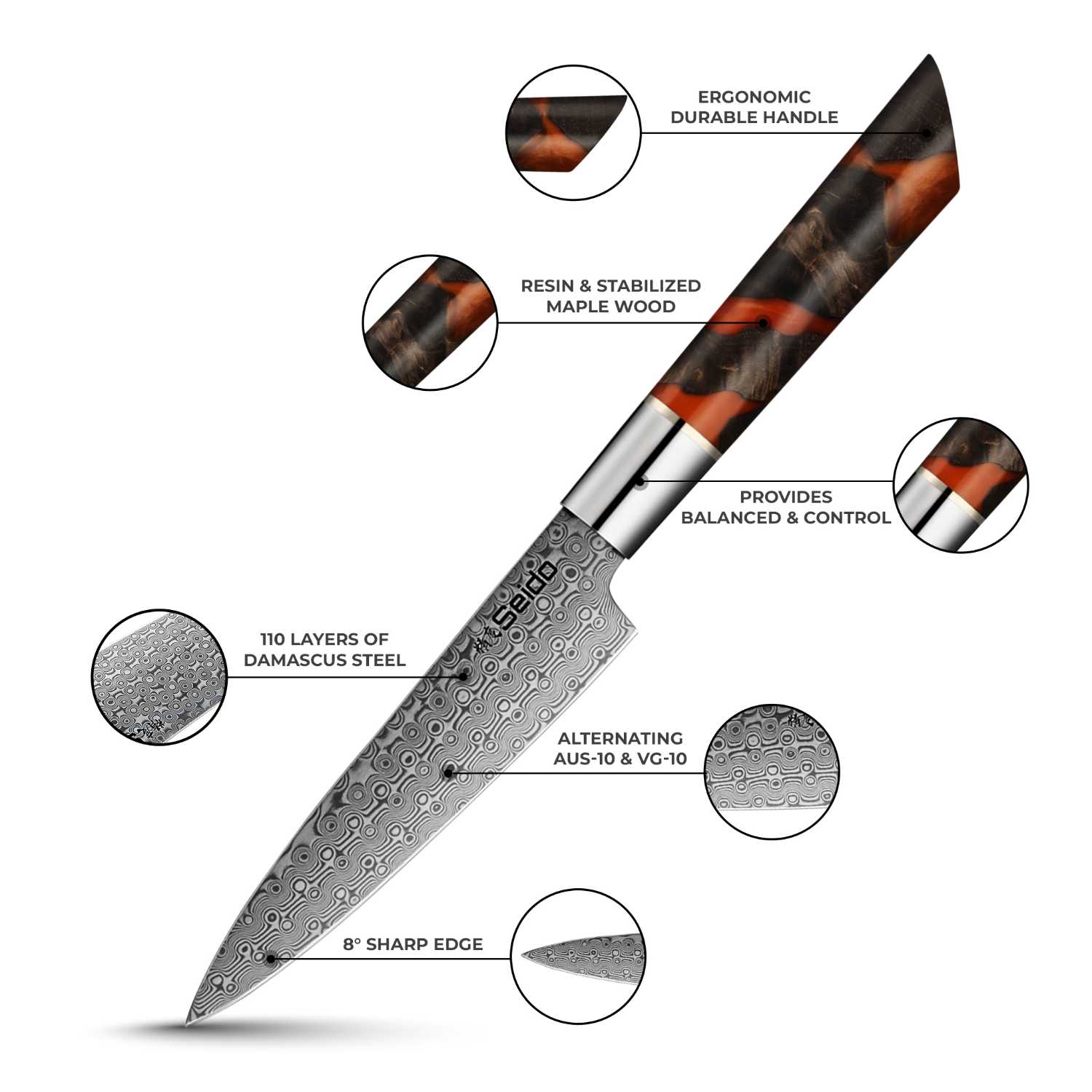
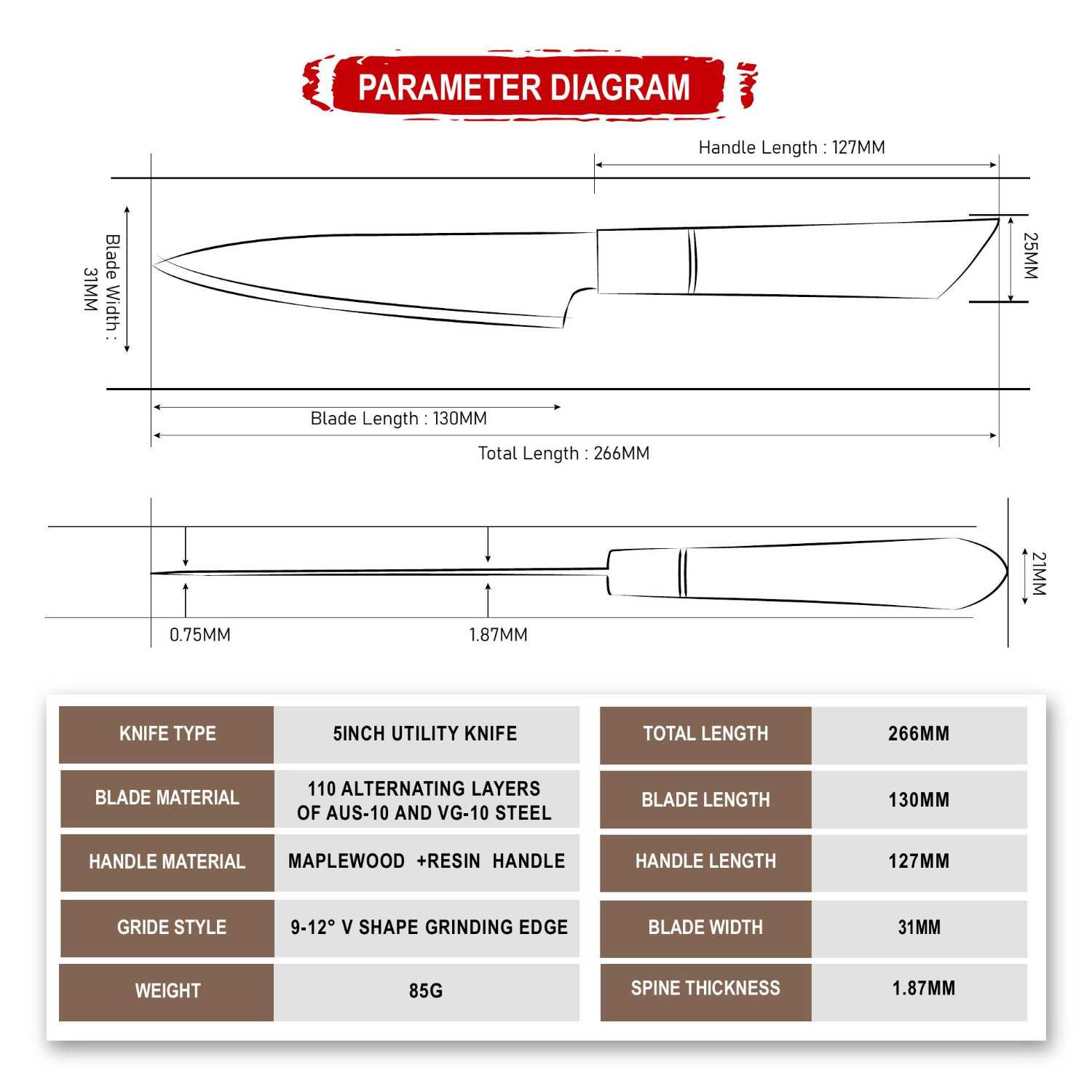
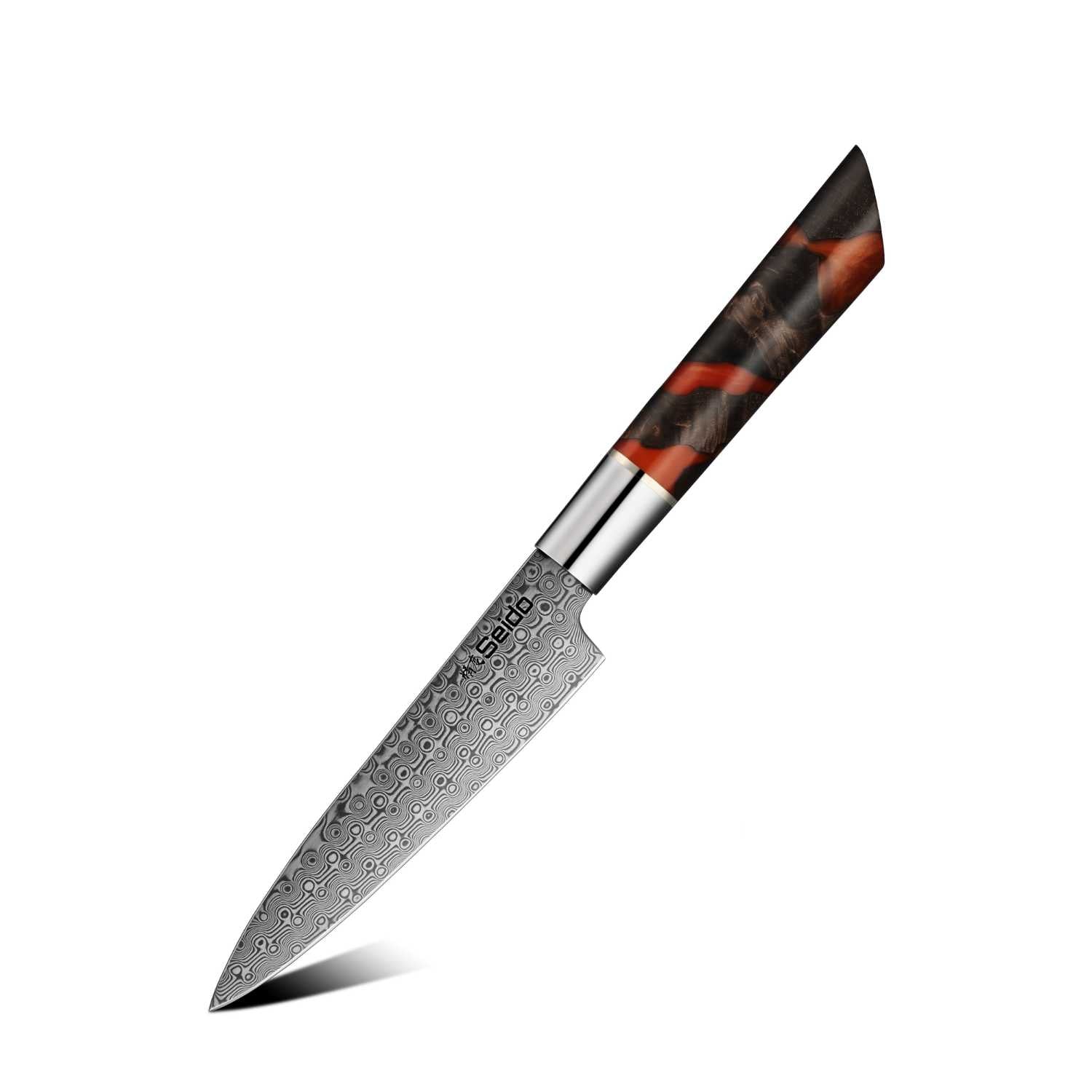
Shinko 5" Petty 110 Layers
Regular price
$219.00
Sale price
$159.00
27% OFF -
You Saved $60.00
Interest-free payments with
The do-everything blade between paring and chef's: the petty knife. Often called a Japanese kitchen utility knife, it excels at precise, everyday prep on the board or in-hand: berries, shallots, herbs, citrus, and clean trimming on proteins. A Japanese petty knife gives home cooks and professional chefs a fine tip and thin blade that feels natural for detail work.
Why a petty knife belongs in your kit
Petty knives are characterized by a narrow profile and a sharp pointed tip for intricate work. They excel at making precise cuts and are great for tasks like chopping alliums, coring bell peppers, and dicing tomatoes. Petty knives often have a slightly curved belly to allow for rocking motions similar to a chef's knife, increasing their versatility.
Petty knives give you the control of paring knives with enough reach for small slicing, perfect for the tasks you repeat all week.
- In-hand comfort: peel, trim, and tourne with accuracy
- On-board precision: mince herbs, segment citrus, slice small fruit
- Protein prep: tidy edges, remove silver skin, portion small cuts

Why 120mm (≈5") hits the sweet spot
Petty knives commonly have a blade length of between 120mm and 180mm. 120mm petty knives hit the sweet spot. They maximize control for in-hand work while still handling light board tasks. They're quick, precise, and unobtrusive, an easy daily driver for precision tasks in most kitchens.

Steel matters: Damascus, AUS-10 & VG-10
The blade length and blade shape of a petty knife often allows for a rocking-chop motion, making it easier to use than some utility knives. Carbon steel blades can achieve extreme sharpness and edge retention but require immediate drying to prevent rust.
A quality petty knife for home cooks should have a sharp, thin blade made of rust-resistant steel like VG-10 stainless steel, AUS-10 steel, Damascus steel.
Choose the feel you prefer without compromising sharpness:
- Damascus petty knives: layered steel look with a thin, keen edge for clean cuts on delicate ingredients.
- AUS-10 petty knives: tough, stainless performance with excellent edge stability for daily use.
- VG-10 petty knives: high-carbon stainless prized for sharpness and edge retention with easy maintenance.
Petty vs paring
Paring knives are shortest (≈80–100mm) and excel at close peel/trim. Petty knives are longer and slimmer, covering paring jobs plus small slicing, garnishes, and tidy plating where extra reach helps.
Shop 120mm Petty Knives
Browse Damascus, AUS-10, and VG-10 options. Find the small all purpose knife balance and handle that suit your daily prep.

Care & use
To maintain a petty knife's fine edge, avoid cutting through bone or frozen foods, and hand wash and dry them immediately.
- Use a wood or quality synthetic board; avoid glass and stone.
- Hand-wash and dry immediately; don’t soak or dishwash.
- Hone lightly between uses.
- A good way to sharpen a petty knife is to use a whetstone. Sharpen as needed.
- Store safely in the gift box, a knife block, or on a cutlery tray.
FAQ
What tasks suit a petty knife best?
Everyday precision and detailed work: berries, shallots, garlic, herb chiffonade, citrus supremes, trimming small cuts of meat, and garnish work.
Is a petty redundant if I have a chef's and paring knife?
No—petty knives bridge the gap. They slice and trim faster than a paring with more control than a full-size chef's.
Do Damascus, AUS-10, and VG-10 feel different?
All deliver sharp, clean cuts. Damascus adds a layered finish; AUS-10 prioritizes toughness; VG-10 emphasizes edge retention with easy upkeep.
This section doesn’t currently include any content. Add content to this section using the sidebar.