
4 products
Save 28%
Quick view
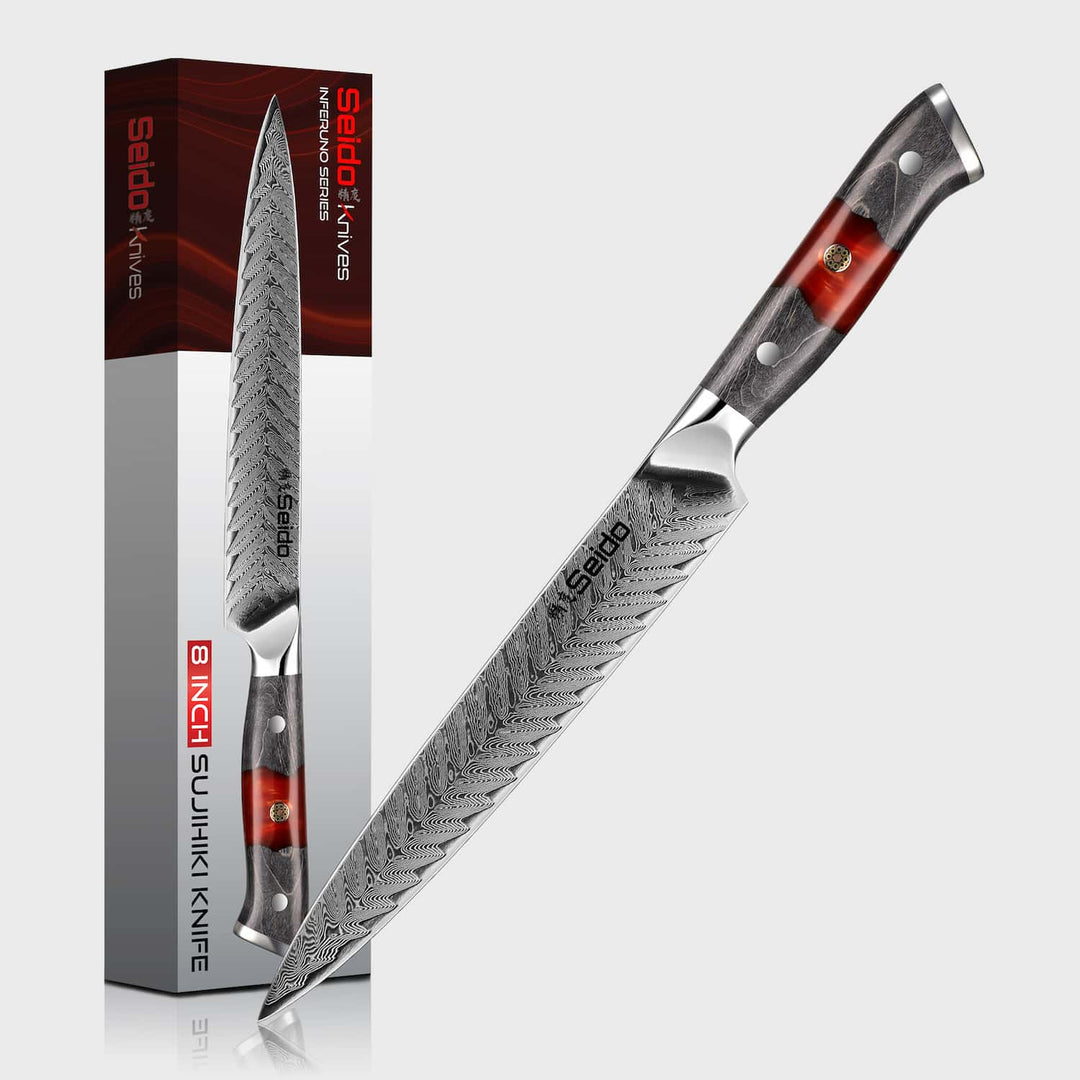
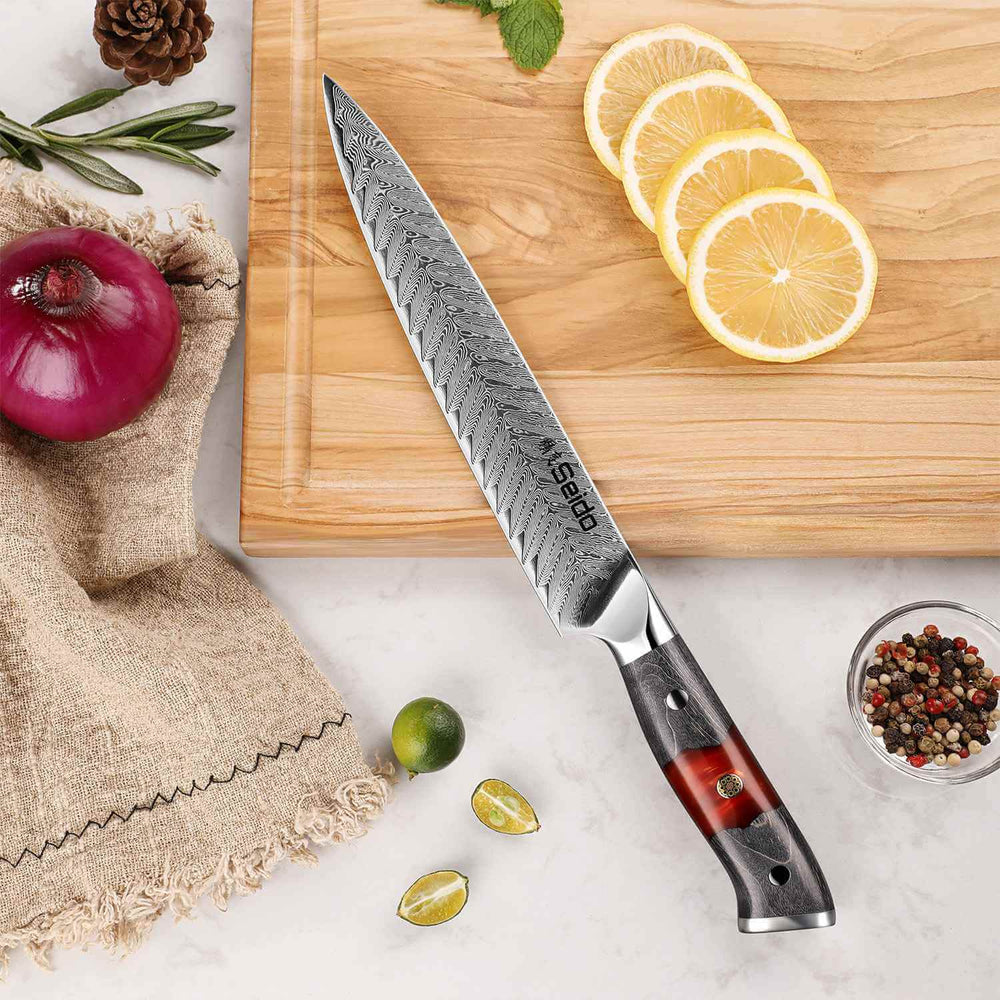


Inferuno 8" Slicing Knife
Regular price
$179.00
Sale price
$129.00
28% OFF -
You Saved $50.00
Interest-free payments with
Sold Out
Quick view

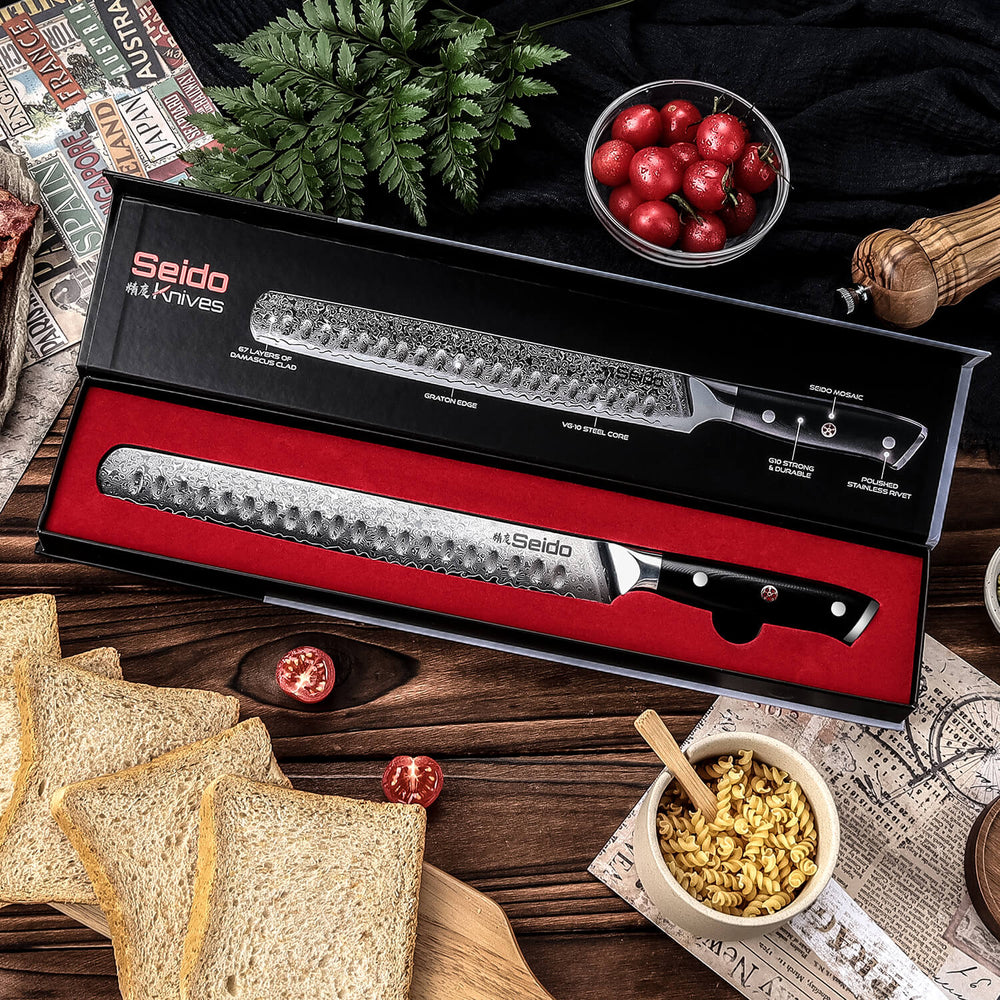

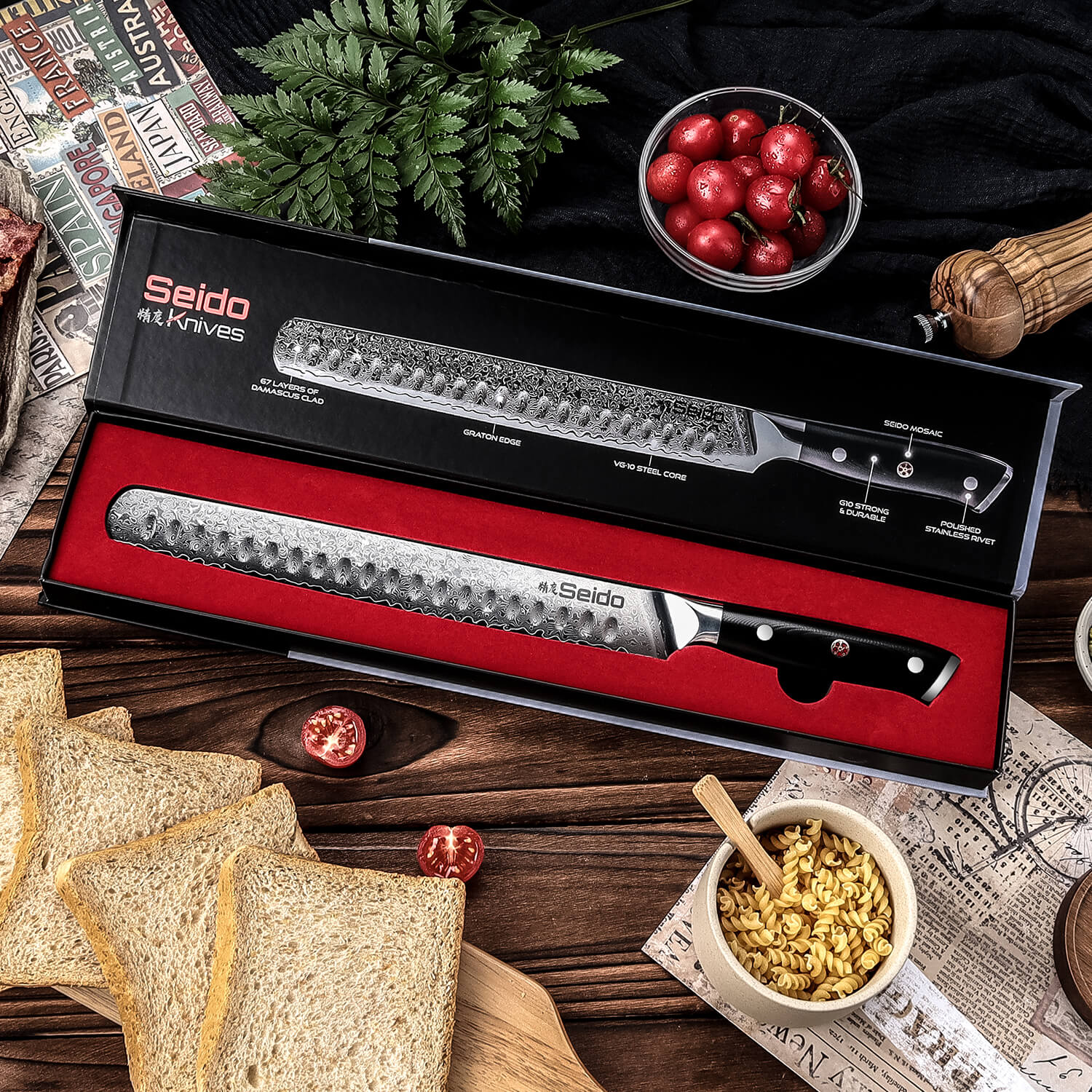
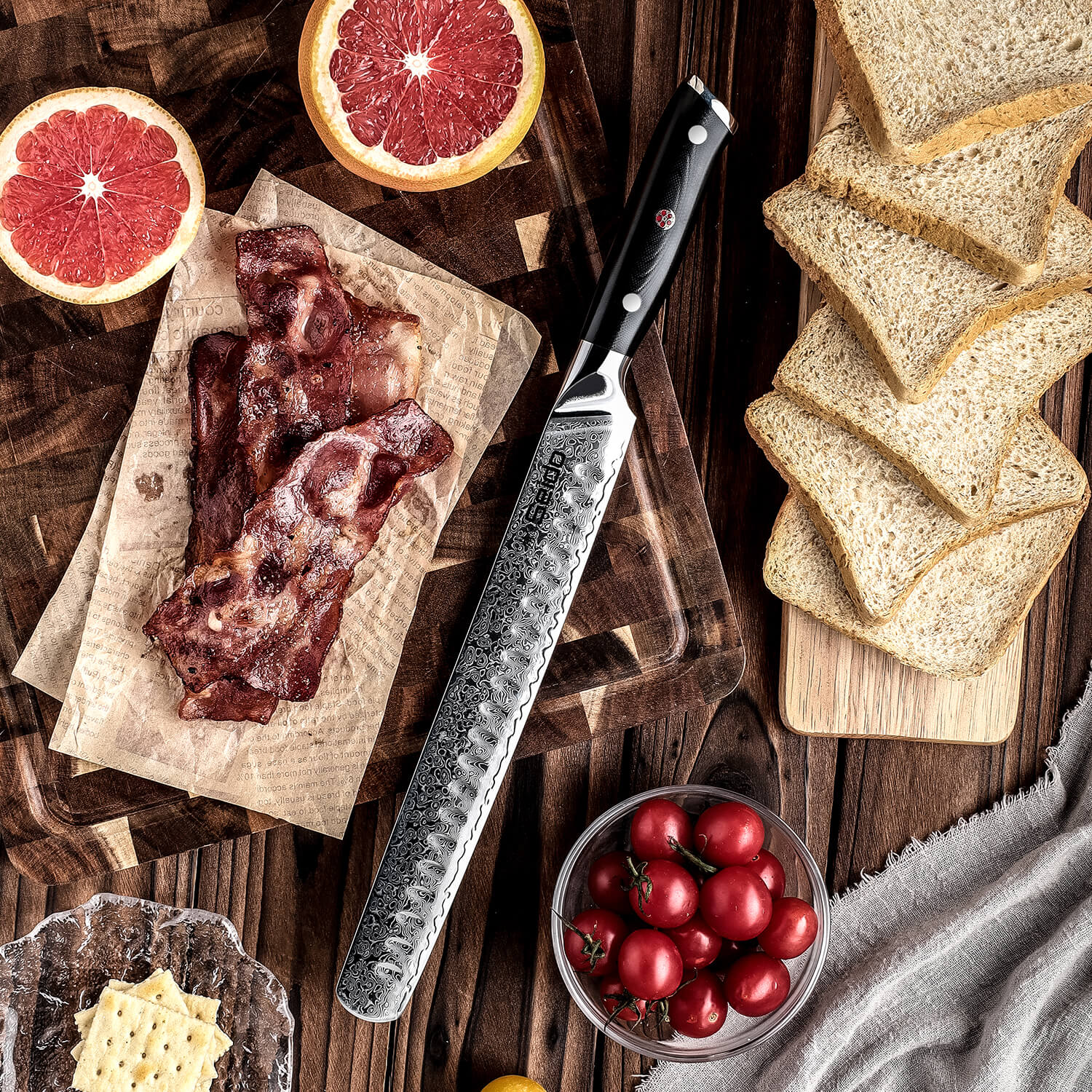
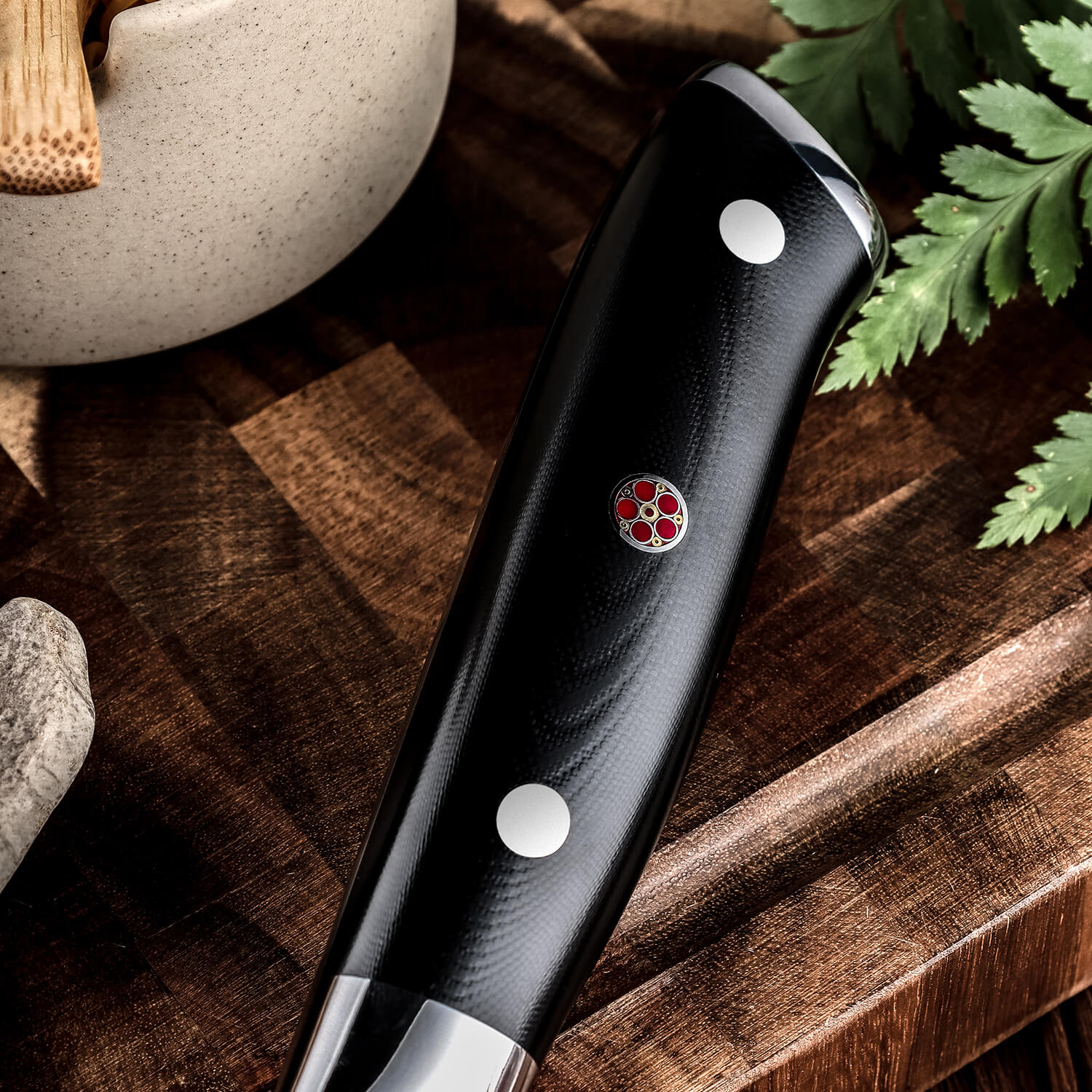
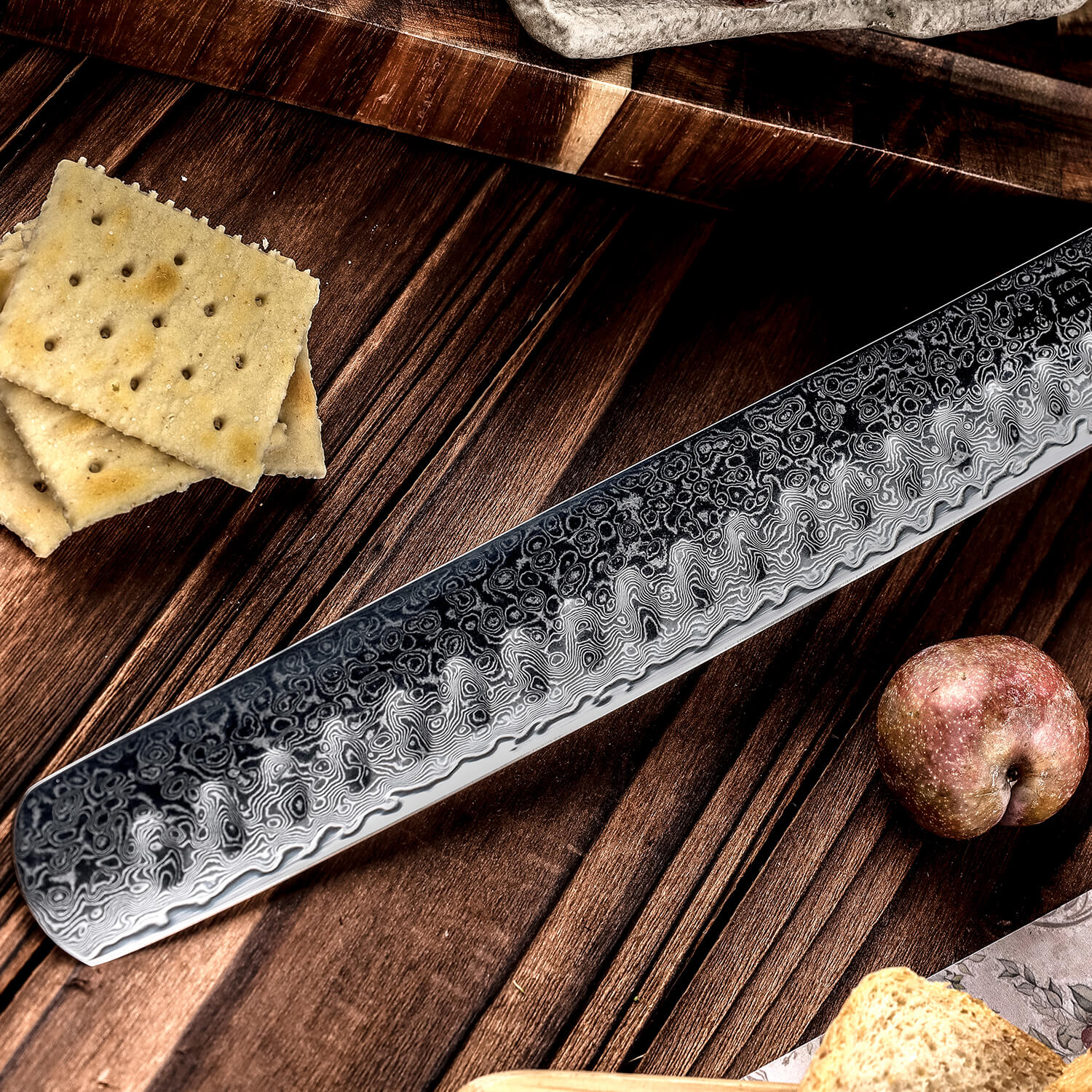
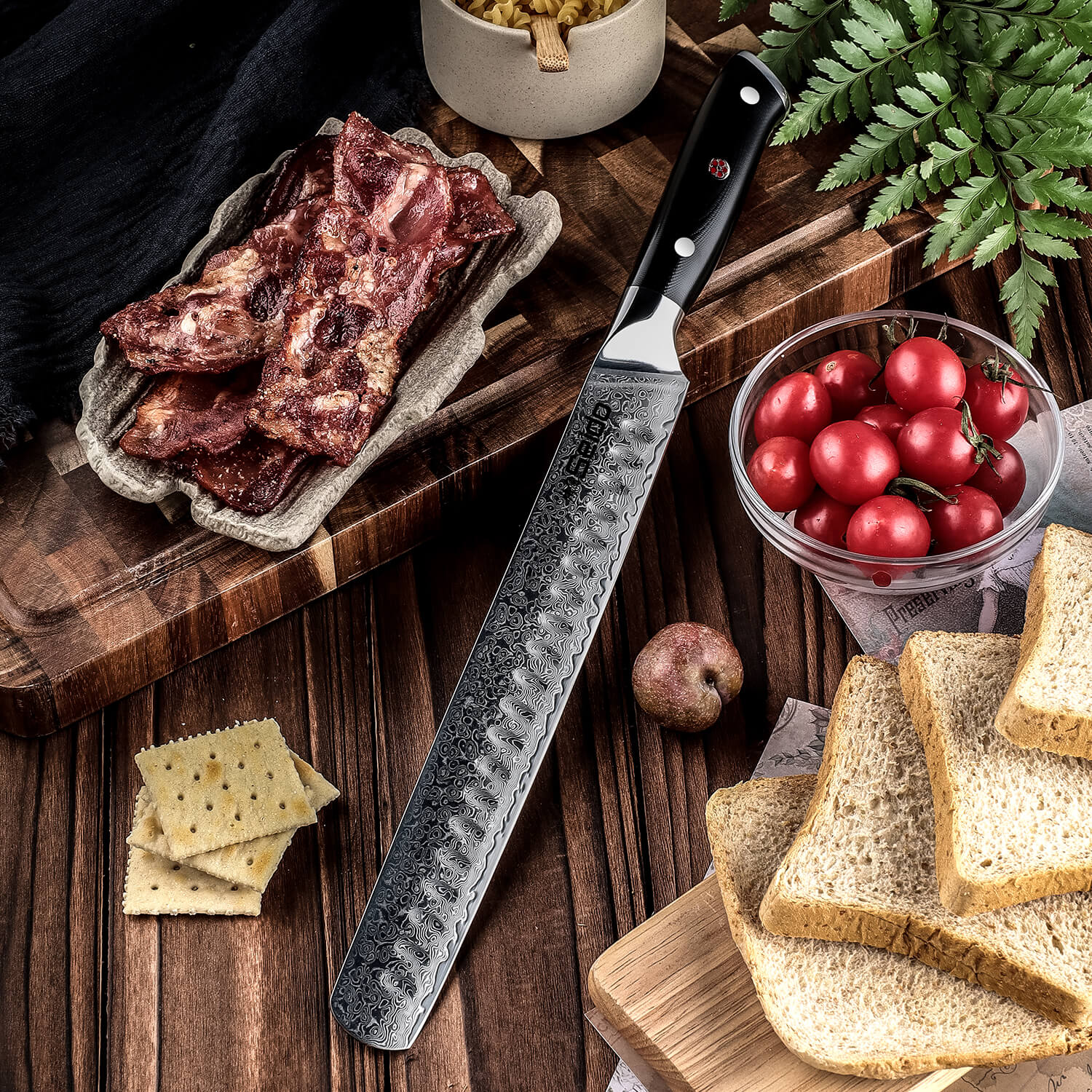
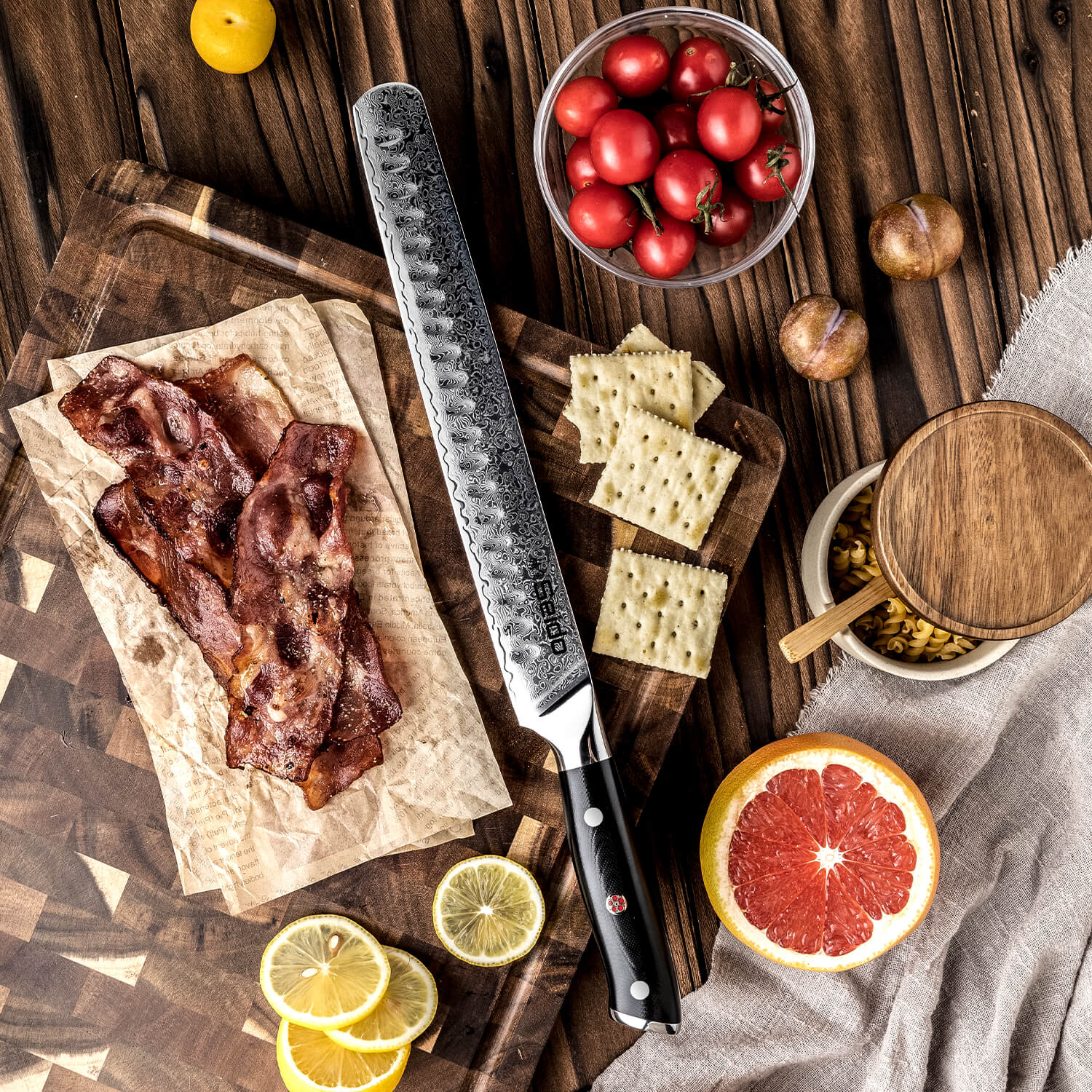
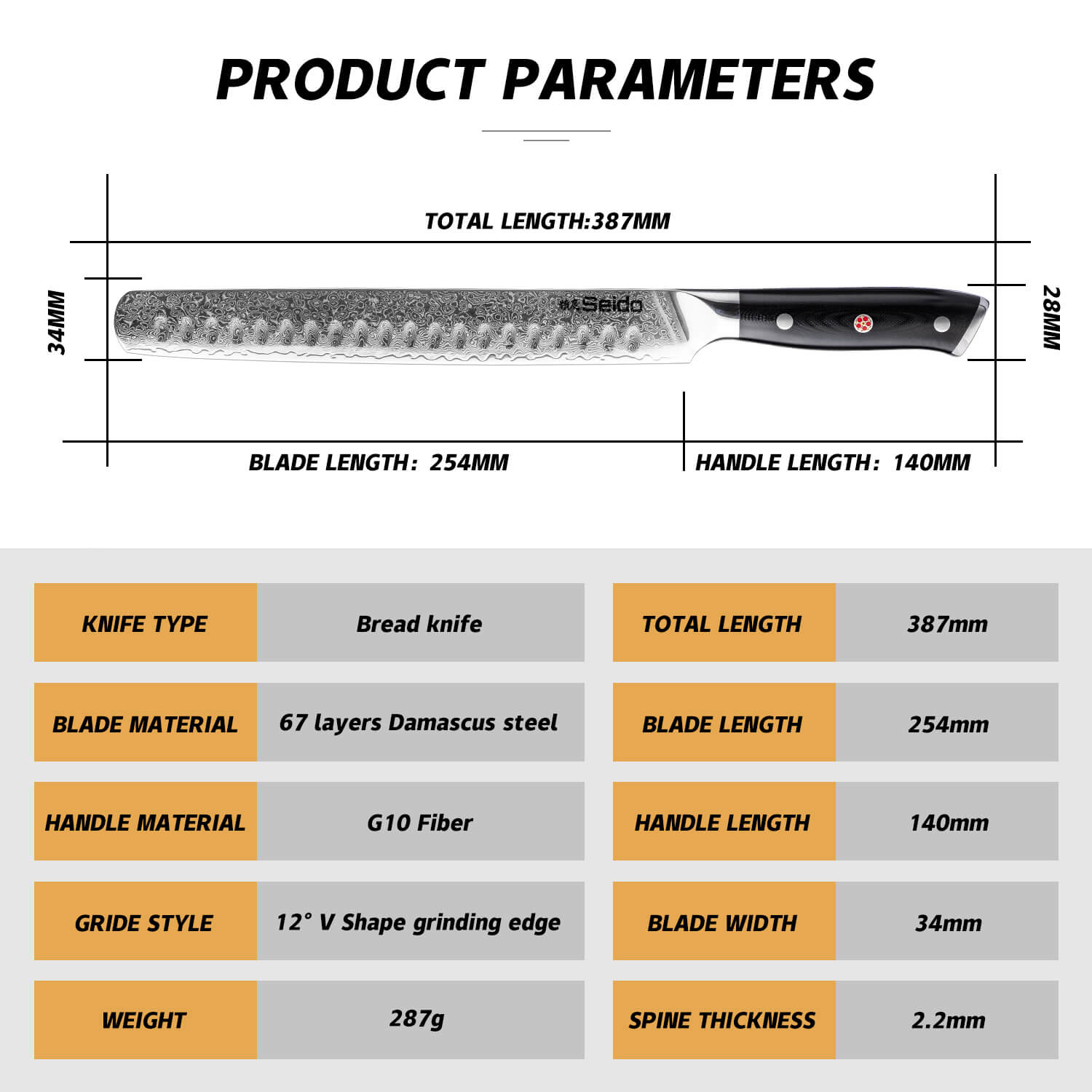
Shujin 10" Slicing Knife
Regular price
$229.00
Sale price
$149.00
35% OFF -
You Saved $80.00
Interest-free payments with
Save 25%
Quick view

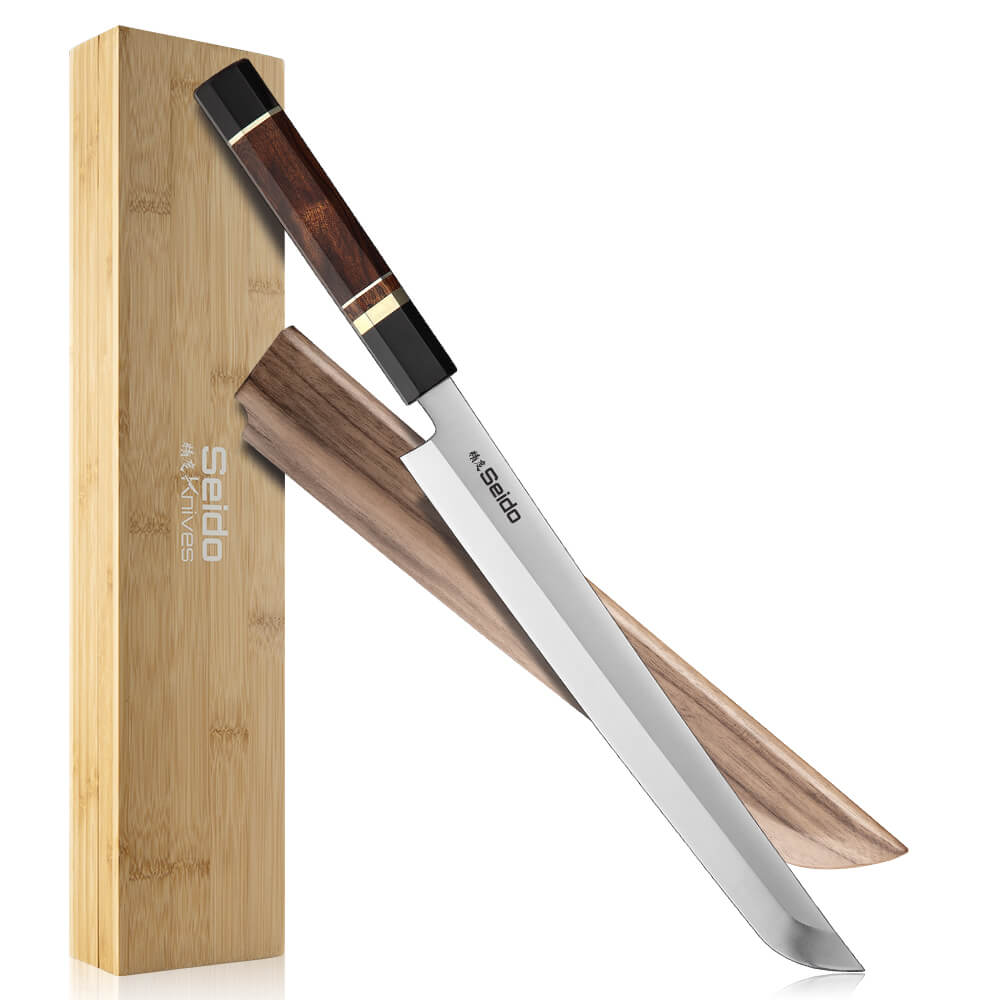


Sakimaru Takohiki Knife 10" with Rosewood and Ebony Buffalo Horn
Regular price
$399.00
Sale price
$299.00
25% OFF -
You Saved $100.00
Interest-free payments with
Save 30%
Quick view


Master 8" Slicing Knife
Regular price
$99.00
Sale price
$69.00
30% OFF -
You Saved $30.00
Interest-free payments with
Uneven slices and torn meat usually mean one thing: the wrong knife. A Japanese slicing knife, known as a sujihiki, glides through roasts, brisket and raw fish in one long, clean stroke. No sawing required.
Precision Slicing. Perfect Results.
BUILT FOR SINGLE-STROKE SLICING

'Sujihiki' means 'muscle cutter' in Japanese. Its long, narrow, double-bevel blade creates minimal drag, so you slice meat and raw seafood in one smooth motion instead of sawing through the flesh.
- Long, narrow blade: glides through proteins so slices keep their texture and presentation, something western carving knives can't match.
- Push-cut or pull-cut: push through cooked meats, pull through raw fish, with long, smooth motions from heel to tip.
- High-carbon steel: options like VG-10 and AUS-10 offer exceptional edge retention.
WHICH SLICING KNIFE IS RIGHT FOR YOU
- Sashimi and raw fish at home: the Sakimaru Takohiki Knife 10" with Rosewood and Ebony Buffalo Horn is made for it.
- Professional-level precision on roasts, brisket and everyday proteins: the Inferuno 8" Slicing Knife and Shujin 10" Slicing Knife deliver clean cuts every time.
You don't need professional training to benefit from a slicing knife. You just need an appreciation for clean, precise cuts, whether you're carving holiday turkey, preparing carpaccio, or portioning brisket.
Note: a sujihiki isn't built for bones or frozen foods. Reach for a boning knife or cleaver for those.
CARVING AND SLICING, DONE RIGHT
A standard carving knife needs a sawing motion that tears muscle fibers. A sujihiki's thin blade and acute edge angle cut cleanly instead, protecting the texture and flavor that make quality proteins worth cooking.
The long blade also trims sinew and fat, slices boneless fish, and fillets and skins fish with ease. And as a double-bevel knife, a hallmark of Japanese cutlery that bridges Eastern craftsmanship with Western utility, it's easier to sharpen and control than traditional single-bevel options.

Sujihiki come in a range of blade lengths and steel types:
- 200-240mm (8"-9.5") — Ideal for home kitchens and smaller proteins, with excellent control for everyday slicing.
- 270mm (10.5") — The most versatile length for home and professional use, and the one chefs reach for across a variety of proteins.
- 300mm+ (12"+) — Designed for whole fish and larger cuts like full briskets or holiday roasts.
- Carbon steel — Superior sharpness crafted by skilled blacksmiths, with traditional maintenance requirements.
- Stainless steel — Lower maintenance while keeping excellent performance, for those with less time for upkeep.
Consider your typical cutting tasks, storage space and maintenance preferences, then browse our collection to find the blade that matches your purpose. Add to cart and discover what precision slicing truly means. Serving a roast? Pair it with a meat & carving fork.
FAQs
How is a slicing knife different from a carving knife?
Slicing knives like the sujihiki are thinner, lighter, and sharp enough to glide through proteins with minimal resistance. Western carving knives require more sawing motion and create greater drag, while the sujihiki's narrow blade preserves texture.
What is a slicing knife used for?
Slicing cooked roasts, brisket, ham and poultry, plus portioning raw fish for sashimi and carpaccio. Its long blade handles large cuts in a single stroke.
What's the difference between sujihiki and yanagiba knives?
Sujihiki feature double bevel blades making them easier to use and maintain for most cooks, while yanagiba have single-bevel blades designed specifically for traditional sushi preparation. The sujihiki's versatility makes it ideal for both fish and meat.
What blade length should I choose?
240mm (9.5") works well for home use, 270mm (10.5") offers the best versatility for most proteins, and 300mm+ (12"+) is ideal if you frequently work with larger cuts or whole fish.
Your knife choice determines your slicing results. Choose precision.
This section doesn’t currently include any content. Add content to this section using the sidebar.