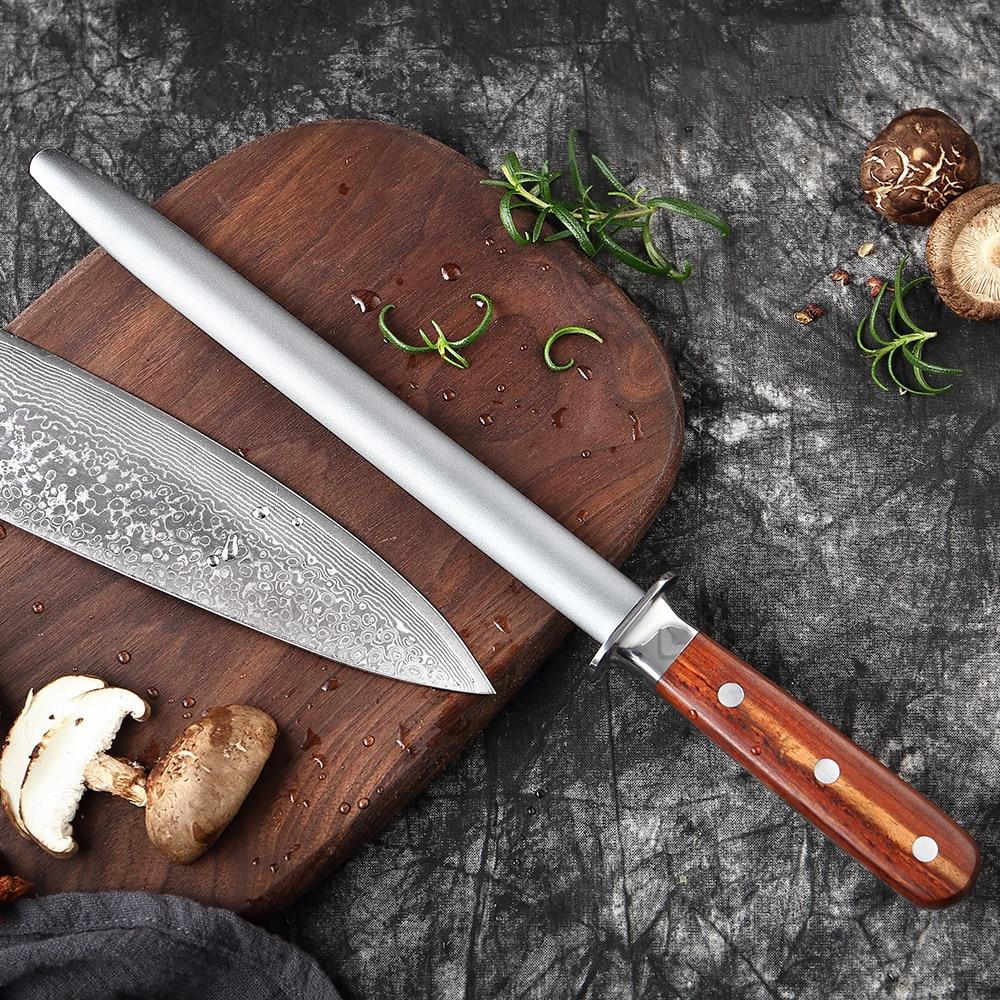
Most kitchen accessories are bought on impulse, only to be used twice or thrice. Our guide helps you create a short list of the top accessories to buy, those that you are likely to work with weekly. Kitchen accessories are...
Before you buy any kitchen accessory, check five things: what it is made of, how well it is built, how it feels in your hand, how hard it is to clean, and whether you have a place to store it....
The way to care for most kitchen accessories is to wash them by hand with warm water and mild soap, dry them right away, and store them where air can reach them. Wooden items need occasional oil, metal items need...
Professional chefs buy kitchen accessories for speed, durability, and sanitation, and home cooks should buy them for versatility, space, and how often they will actually use them. The overlap is smaller than most gear lists suggest: a few core tools...
The grilling tools worth owning are a good pair of locking tongs, an instant-read thermometer, a long thin spatula, a grill brush or scraper, and heat-resistant gloves. Everything else is a convenience. The rest of your outdoor kitchen is built...
The best cutting board for a good knife is a wood end grain board or a soft rubber or plastic one, and the worst is glass, marble, or stainless steel. Your cutting board decides how long your edge lasts. A...
Kitchen shears are heavy-duty, food-safe scissors built to cut through chicken joints, herbs, parchment, and packaging, and they are one of the most versatile tools in a drawer that can replace a knife for several jobs. Regular scissors can cut...
The best cutting board for a good knife is a wood end grain board or a soft rubber or plastic one, and the worst is glass, marble, or stainless steel. Your cutting board decides how long your edge lasts. A...